

Iran's Pezeshkian defends MoU with US as best path to end war
Summarized and contextualized by DistantNews.
At a glance
News
Named sources
Ongoing story
- Iranian President Pezeshkian defended a memorandum of understanding with the U.S. as the best way to end the current "neither war nor peace" state.
- He stated the agreement, signed by U.S. President Trump in June, upholds dignity, wisdom, and national interest, without any capitulation.
- The memorandum aimed for a 60-day deadline to end the war and resolve Iran's nuclear program, but significant gaps remain, particularly on reopening the Strait of Hormuz.
- Iran's economy suffers under sanctions and a naval blockade, with Pezeshkian noting that investment is deterred by risk.
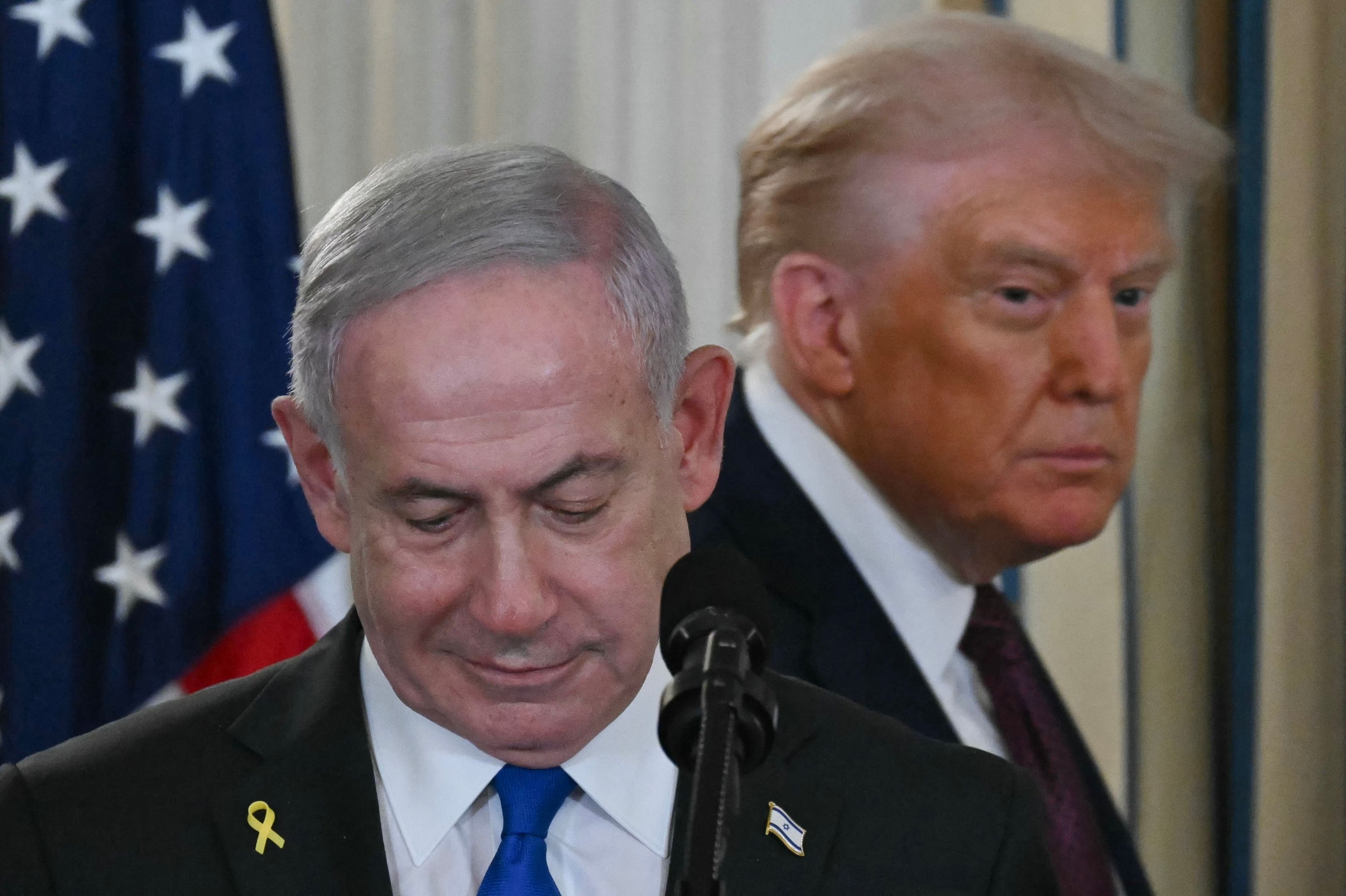
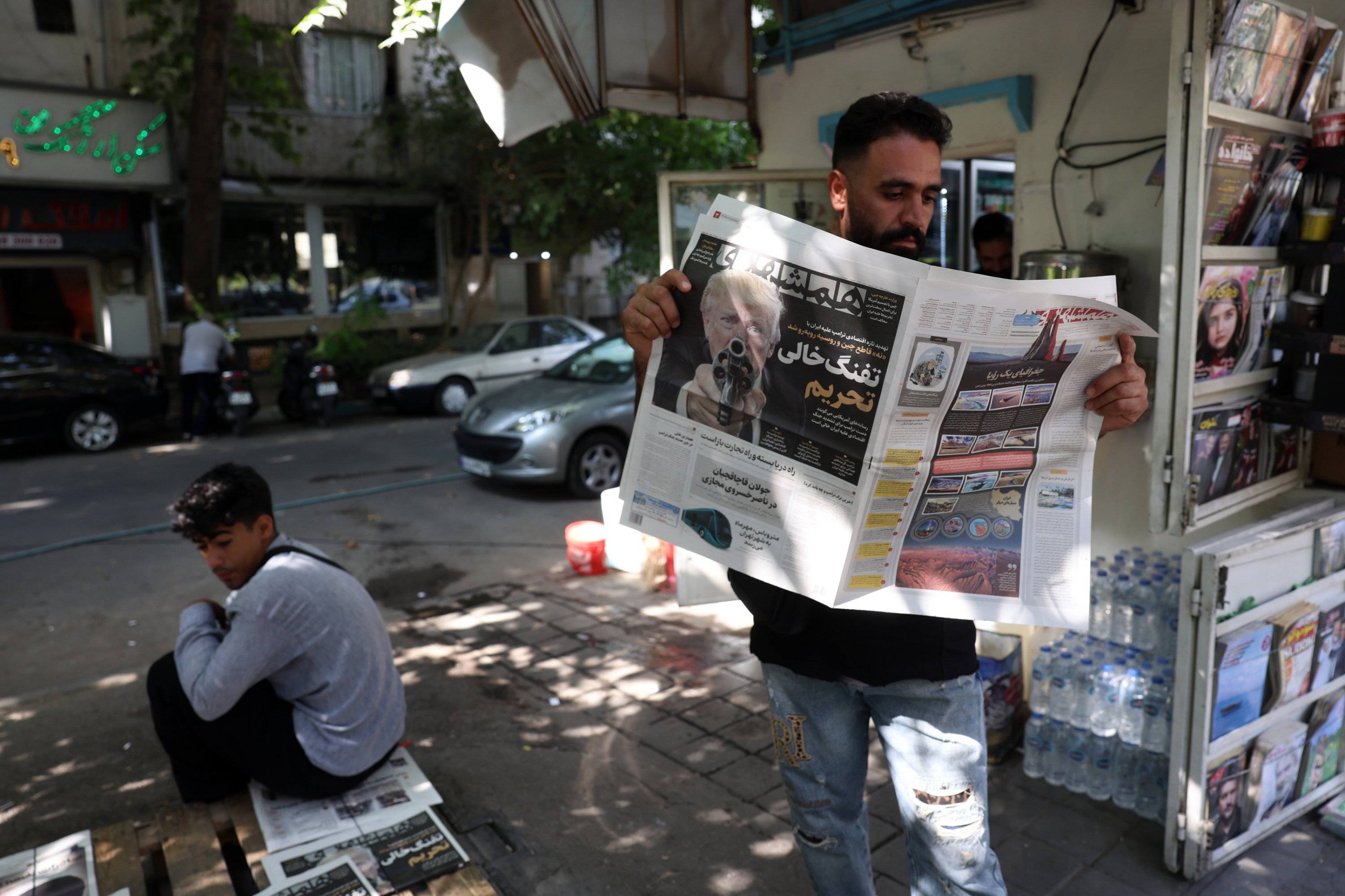
Iranian President Masoud Pezeshkian has publicly defended a memorandum of understanding with the United States, asserting it represents the most effective path for Iran to transition from its current state of "neither war nor peace." In a speech published by the state-run IRNA news agency, Pezeshkian stated that members of Iran’s Supreme National Security Council believe the memorandum is the best possible agreement, prioritizing dignity, wisdom, and the nation's interests.
There is not a single provision in this agreement that amounts to capitulation.
"There is not a single provision in this agreement that amounts to capitulation," Pezeshkian declared, emphasizing that the country would adhere to policies set by the supreme leader. The memorandum, initially signed by U.S. President Donald Trump in June, established an ambitious 60-day timeframe to conclude the ongoing war and reach an accord on Iran's nuclear program. However, this period has passed with the two nations remaining far apart, particularly on the critical issue of reopening the vital Strait of Hormuz for global shipping.
Pezeshkian also highlighted the agreement's importance for Iran's economic recovery. He explained that the country cannot attract necessary investment in its current stagnant economic phase, as "Capital and money are extremely sensitive to risk." He stressed the need to mitigate this risk to foster economic growth. The Iranian economy has been significantly impacted by sanctions and a naval blockade during the nearly six-month conflict with the United States and Israel.
The supreme leader sets the policies, and we will follow that path.
In parallel, Iran's new hard-line security chief, Mohsen Rezaei, issued a stern warning to neighboring countries. Rezaei cautioned them against participating in the U.S. initiative to undermine Iran's economy. He stated in an interview with state broadcaster IRIB that Iran would retaliate "in a seismic manner" if neighbors align with what he described as an economic war against Iran. Rezaei specifically threatened to target oil-shipping routes out of the Persian Gulf if such actions were taken.
Capital and money are extremely sensitive to risk. We have to remove this risk from the country.
These developments occur as Pakistan's Field Marshal Asim Munir is scheduled to lead an official delegation to Tehran on Monday. According to Iran's Foreign Ministry spokesman, Esmail Baghaei, the visit aims to strengthen bilateral cooperation and promote regional peace and security. Regional officials, speaking anonymously, indicated the visit is part of Pakistan's broader efforts to de-escalate tensions between the U.S. and Iran and encourage a return to negotiations.
If (Trump) wants to do something, we will retaliate in a seismic manner.
DistantNews Editorial
Originally published by Daily Sabah. Summarized and contextualized by our editorial team with added local perspective. Read our editorial standards.
More Stories

From Our Blog

What Gets Lost (and Found) When News Is Translated

The Critical Role of Diaspora Media in Global News

What Travellers Should Know About Countries with Restricted Press

A Digital Nomad's Guide to Following Local News

How the Same Story Looks Different in Different Countries
