


Iran's stronger stance marks the beginning of Middle East power struggle
Translated from Korean, summarized and contextualized by DistantNews.
At a glance
Analysis
Named sources
Context piece
- Iran is poised to become a dominant regional power following a recent conflict, with a new generation of pragmatic, nationalist leaders at the helm.
- The country anticipates significant post-war benefits, including reconstruction aid and sanctions relief, which could reshape its economy and geopolitical standing.
- Gulf states, wary of Iran's strengthened position, are seeking to recalibrate their relationships with both Iran and the U.S., while Israel remains a destabilizing factor, potentially seeking to disrupt the fragile peace.
- The U.S. faces challenges in maintaining its influence as Gulf nations explore reducing their reliance on American security guarantees.
Following a recent conflict, Iran is emerging with a strengthened position and a new leadership poised to reassert its regional dominance. Experts anticipate that a new generation of pragmatic and nationalist leaders, who came of age after the 1979 revolution, will significantly influence the Middle East's geopolitical landscape for years to come.
The conflict is expected to bring substantial benefits to Iran, including significant post-war reconstruction aid and the lifting of sanctions. These factors could revitalize Iran's economy, which has historically been strong due to its large population, vast natural resources, and industrial base. Once dubbed the 'Germany of the Middle East,' Iran could see its regional standing dramatically improve if sanctions are eased and reconstruction efforts commence, though the process is expected to be gradual.
A new generation of pragmatic and hard-line nationalists who came of age after the 1979 Islamic Revolution have seized power.
Meanwhile, Gulf states, which previously had strained relations with Iran, are now increasingly concerned about its enhanced military capabilities. Despite their fears, these nations are likely to prioritize stability and seek to manage their relationships with Iran peacefully. Countries like the United Arab Emirates, despite being heavily targeted, may see rapid normalization with Iran due to geographical and economic proximity.
Gulf states' fear of Iran has grown, but the more they fear Iran, the more they will try to manage relations with Iran peacefully.
Israel, however, remains a potential disruptor. Having strongly advocated for measures against Iran, including missile restrictions and the cessation of regional proxy support, Israel was largely excluded from the recent U.S.-Iran negotiations. This exclusion could lead Israel to seek ways to undermine the fragile peace or provoke further conflict, potentially by encouraging the U.S. to take action if Iran deviates from its commitments.
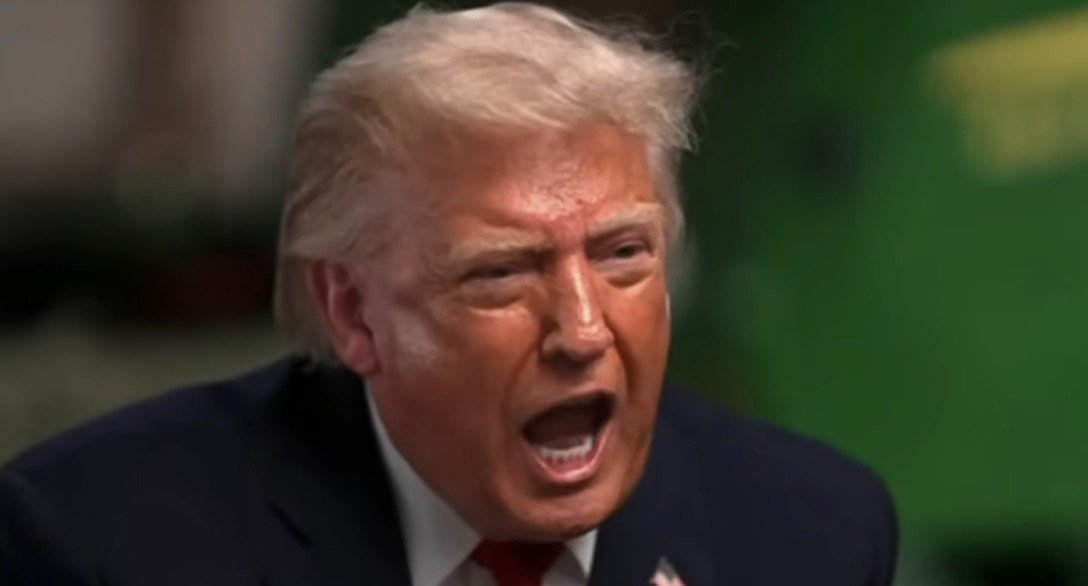
The United States, while remaining a key security ally for Gulf nations, has seen its reliability questioned. The recent conflict highlighted the unpredictability of U.S. policy under President Trump and the limitations of American security guarantees. Consequently, Gulf countries are reportedly exploring ways to diversify their security partnerships and reduce their dependence on the U.S., presenting potential opportunities for other global players, including South Korea, to strengthen economic and security ties.
If Iran shows even the slightest deviation from its promises during the U.S.-Iran negotiations and subsequent agreement implementation, Israel could provoke the U.S. to attack again.
DistantNews Editorial
Originally published by Hankyoreh in Korean. Translated, summarized, and contextualized by our editorial team with added local perspective. Read our editorial standards.
More Stories


From Our Blog

What Gets Lost (and Found) When News Is Translated

The Critical Role of Diaspora Media in Global News

What Travellers Should Know About Countries with Restricted Press

A Digital Nomad's Guide to Following Local News

How the Same Story Looks Different in Different Countries
