

Iran Sets Two Conditions for Reopening Strait of Hormuz: Lebanon Ceasefire and Oil Sanctions Relief
Translated from Turkish, summarized and contextualized by DistantNews.
At a glance
News
Named sources
Context piece
- Iran has presented two conditions for reopening the Strait of Hormuz: a ceasefire in Lebanon and the lifting of oil sanctions.
- A source close to Iran's negotiating team stated that adherence to the Lebanese ceasefire and exemptions for Iranian oil sales are necessary.
- The Strait of Hormuz is a critical global energy chokepoint, and its closure has significant implications for international energy markets.
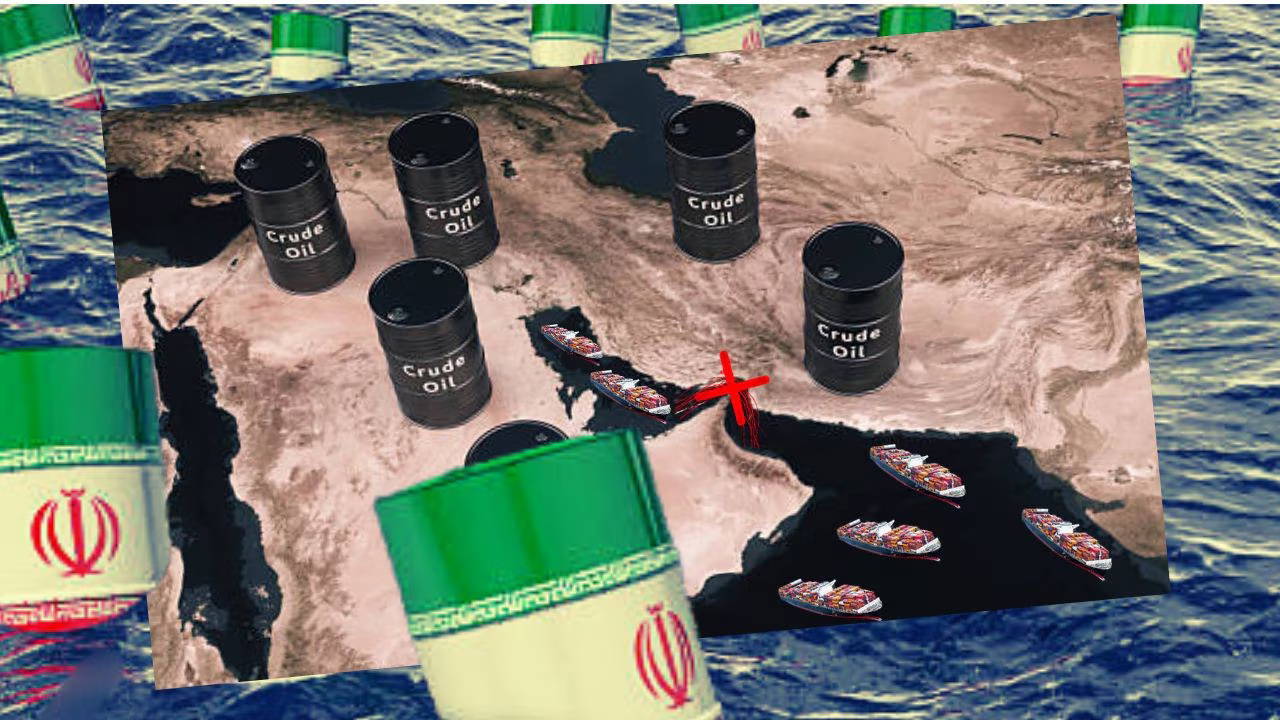
Iran has outlined two key demands for the reopening of the Strait of Hormuz, a vital global energy chokepoint. According to a source close to the Iranian negotiating team, cited by the Tasnim news agency, the waterway will not be reopened unless a ceasefire in Lebanon is respected and sanctions on Iranian oil sales are lifted. This stance places the reopening of the strategic strait at the center of complex international negotiations. The source emphasized that simply observing a ceasefire in Lebanon would not be sufficient; Iran also requires the removal of restrictions that hinder its oil exports. "The source stated that the reopening of the Strait of Hormuz requires not only the observance of the ceasefire in Lebanon but also the lifting of exemptions for the sale of Iranian oil," the report detailed. These conditions highlight Iran's leverage in the ongoing discussions, particularly concerning its energy sector and regional stability.
The Strait of Hormuz, connecting the Persian Gulf to the Gulf of Oman, is one of the world's most critical passages for oil and natural gas shipments. Any disruption to traffic through the strait has immediate and far-reaching consequences for global energy markets. Iran's decision to close the strait, or its conditions for reopening it, are closely watched by international powers and energy consumers alike. The current tensions surrounding the strait have become a central issue in the broader negotiation process between Iran and the United States.
The source stated that the reopening of the Strait of Hormuz requires not only the observance of the ceasefire in Lebanon but also the lifting of exemptions for the sale of Iranian oil.
Tehran is seeking assurances on several fronts, including the implementation of the ceasefire in Lebanon, the release of its frozen assets, and the granting of waivers for its oil sales. The U.S., meanwhile, maintains that commercial maritime traffic in the Strait of Hormuz must be protected. Previously, Iran's Islamic Revolutionary Guard Corps had announced the closure of the strait, citing violations of agreements by the U.S. and continued Israeli attacks on southern Lebanon. The closure was framed as a response to these perceived breaches of obligation, with a warning that further steps would be taken if aggression persisted. The dual demands for a Lebanese ceasefire and oil sanctions relief underscore Iran's interconnected approach to resolving regional and economic issues.
If aggression continues, further steps will be planned and taken to force the enemy to comply with its obligations.
DistantNews Editorial
Originally published by Cumhuriyet in Turkish. Translated, summarized, and contextualized by our editorial team with added local perspective. Read our editorial standards.
More Stories


From Our Blog

What Gets Lost (and Found) When News Is Translated

The Critical Role of Diaspora Media in Global News

What Travellers Should Know About Countries with Restricted Press

A Digital Nomad's Guide to Following Local News

How the Same Story Looks Different in Different Countries
