


Iran threatens counter-strikes as U.S. reportedly prepares for major attacks
Translated from German, summarized and contextualized by DistantNews.
At a glance
News
Named sources
Ongoing story
- U.S. media reports suggest a major wave of attacks against Iran could begin soon, potentially targeting infrastructure.
- Iran has threatened retaliatory strikes against critical infrastructure in Israel and Gulf states.
- Tensions escalate as the U.S. renews a naval blockade, while Iran controls the Strait of Hormuz.
The United States may be on the verge of launching a significant series of attacks against Iran, with reports suggesting these actions could commence as early as this weekend. U.S. media outlets, citing individuals familiar with the matter, indicate that the potential strikes might target Iranian infrastructure and energy facilities. Israel could also be involved in these operations.
The Wall Street Journal reported that President Trump had ordered new, multi-day attacks, though he retains the option to change his decision. In response to these media reports, Iran has issued immediate threats of retaliatory strikes against critical infrastructure in Israel and Gulf states, according to Iranian news agencies Tasnim and Fars, citing security circles.
The U.S. must be aware that energy facilities of global importance in Saudi Arabia and Qatar lie within the range of Iranian missiles.
Iranian news outlets warned that energy facilities of global importance in Saudi Arabia and Qatar are within the range of Iranian missiles. Facilities in Kuwait and the United Arab Emirates were also mentioned. A high-ranking Iranian security official, quoted by Tasnim, stated there is a comprehensive plan for counter-strikes, emphasizing Iran's demonstrated capability and resolve. The official characterized the reported U.S.-Israeli planned attacks on Iranian infrastructure as "an act of madness."
There is a comprehensive plan for counter-strikes.
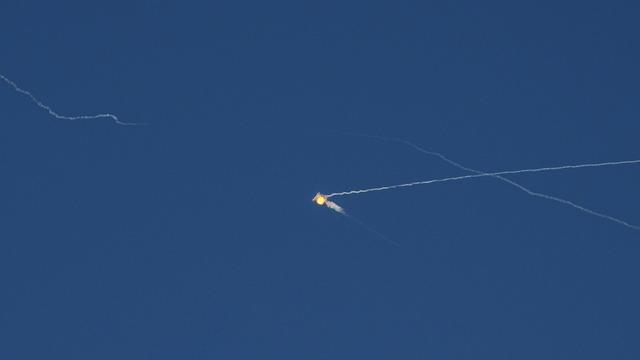
Since the conflict began in late February, Iran has repeatedly targeted U.S. military bases in the Gulf states with missiles and drones. Some attacks have hit key energy facilities, including Qatar's liquefied natural gas production and shipping facilities, and oil installations in Kuwait. While Gulf states' air defenses have intercepted many Iranian ballistic missiles, concerns are growing about dwindling supplies of anti-aircraft missiles, particularly for the Patriot system. U.S. stockpiles are also reportedly significantly depleted.
Should Iran succeed in new strikes on the Gulf states' energy infrastructure, global oil and gas prices could rise further, a tactic Tehran may use against Trump ahead of the U.S. midterm elections in November. Iran also continues to control the Strait of Hormuz, a vital route for oil and LNG exports from the Gulf states. The U.S. military has responded by renewing its naval blockade to cut off Iran's crude oil export revenues.
The planned American-Israeli attacks, reportedly also on infrastructure targets in Iran, are an act of madness.
DistantNews Editorial
Originally published by Der Spiegel in German. Translated, summarized, and contextualized by our editorial team with added local perspective. Read our editorial standards.
More Stories

From Our Blog

What Gets Lost (and Found) When News Is Translated

How the Same Story Looks Different in Different Countries

The Critical Role of Diaspora Media in Global News

What Travellers Should Know About Countries with Restricted Press

A Digital Nomad's Guide to Following Local News
