


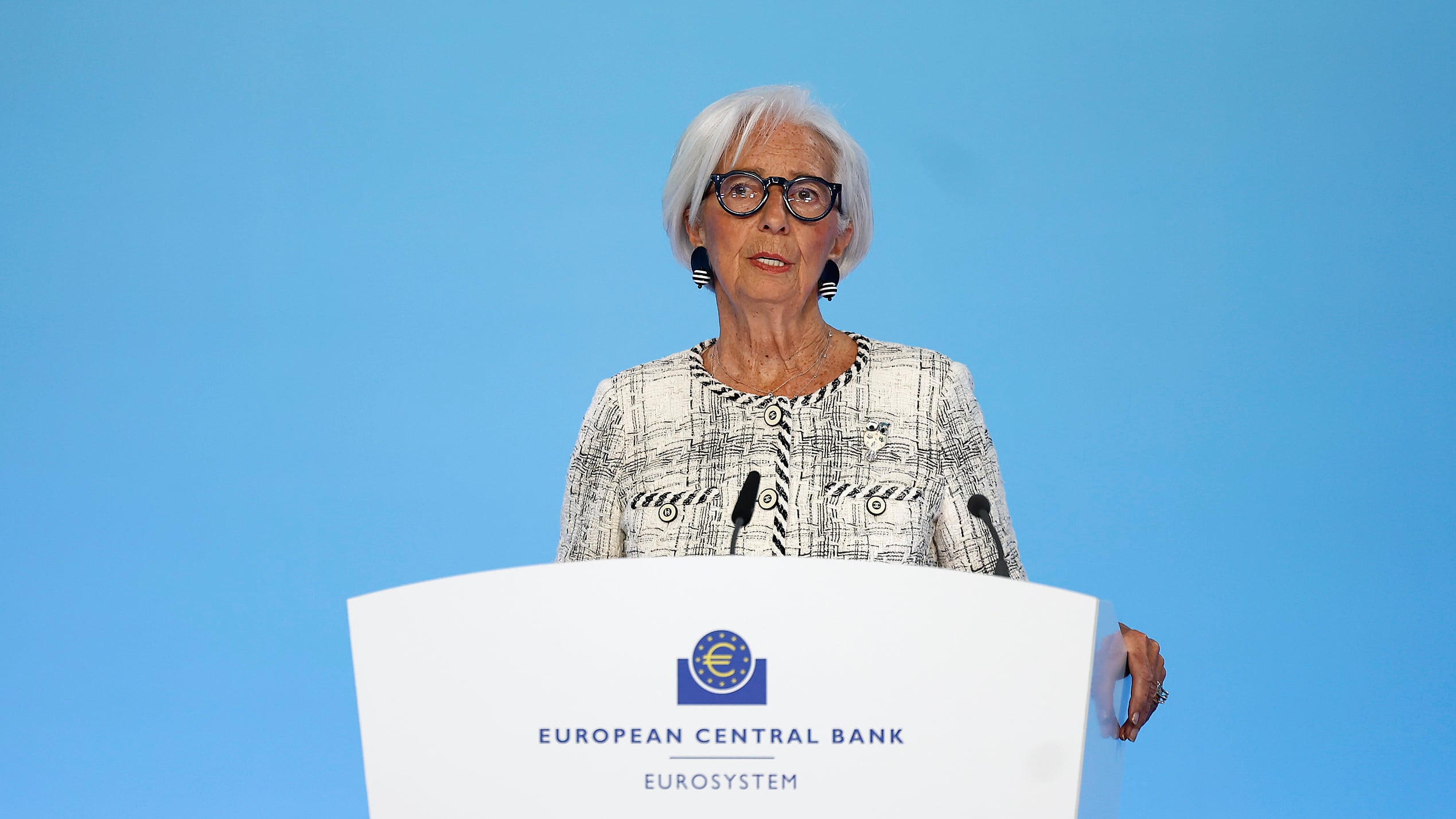
Iran war forces ECB's Lagarde to change interest rate plans
Translated from Spanish, summarized and contextualized by DistantNews.
At a glance
News
Sources not specified
Ongoing story
- The European Central Bank's planned interest rate hike was not initially foreseen.
- The conflict in the Middle East has altered Frankfurt's economic projections for a calm year.
- This geopolitical tension has forced the ECB to reconsider its monetary policy.
Geopolitical tensions stemming from the conflict in the Middle East have disrupted the European Central Bank's (ECB) carefully laid plans, forcing a shift in its monetary policy. The ECB was preparing to approve an interest rate hike this Thursday, a move that was not part of its original projections for a stable economic year.
Frankfurt's economic outlook had anticipated a relatively placid period, allowing for predictable policy adjustments. However, the escalating conflict in the Middle East has introduced significant uncertainty, altering the economic forecast and necessitating a departure from the initially planned course.
This unexpected development highlights the delicate balance central banks must maintain in navigating global events. The ECB's decision to proceed with a rate hike, despite it not being in the initial plan, reflects an adaptation to new economic realities driven by international instability. The situation underscores how external conflicts can have a direct and immediate impact on financial markets and policy decisions in major economic blocs.
DistantNews Editorial
Originally published by El País in Spanish. Translated, summarized, and contextualized by our editorial team with added local perspective. Read our editorial standards.
More Stories

From Our Blog

What Gets Lost (and Found) When News Is Translated

The Critical Role of Diaspora Media in Global News

What Travellers Should Know About Countries with Restricted Press

A Digital Nomad's Guide to Following Local News

How the Same Story Looks Different in Different Countries
