

Iran Warns: No Oil Exports from Persian Gulf if Economic War Continues
Translated from Turkish, summarized and contextualized by DistantNews.
At a glance
News
Sources not specified
New plan
- Iran's Supreme National Security Council Secretary Mohsen Rezai stated that if economic war against Iran continues, not a single drop of oil will be exported from the Persian Gulf.
- Rezai warned that Iran will consider any country participating in or supporting the U.S. economic war against Iran as an act of war.
- The statement, made via X, signals a potential escalation in regional tensions and Iran's response to international economic pressure.
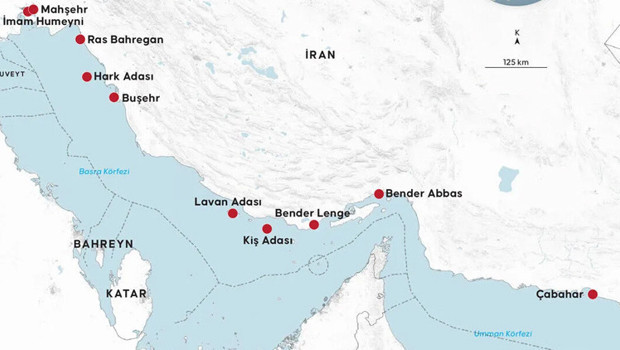
Iran has issued a stark warning against continued economic pressure, threatening to halt all oil exports from the Persian Gulf if the "economic war" persists. Mohsen Rezai, Secretary of Iran's Supreme National Security Council, declared on his X account that "not a single drop of oil will be exported from the Strait of Hormuz or anywhere in the Persian Gulf" if the economic hostilities continue.
Rezai further elaborated that Iran views any nation that joins or supports the U.S. economic sanctions as engaging in an "act of war." Consequently, Iran's stance towards such countries will be shaped accordingly. This declaration signals a significant escalation in Iran's rhetoric as it faces international economic sanctions.
If the economic war continues, not a single drop of oil will be exported from the Strait of Hormuz or anywhere in the Persian Gulf.
The statement underscores Iran's determination to retaliate against what it perceives as economic aggression. The potential disruption of oil exports from the Persian Gulf, a critical global energy chokepoint, could have far-reaching implications for international markets and regional stability.
We will consider the stance of any country that participates in the economic war against the Iranian people or supports this war as an act of war.
DistantNews Editorial
Originally published by Hürriyet in Turkish. Translated, summarized, and contextualized by our editorial team with added local perspective. Read our editorial standards.
More Stories

From Our Blog

What Gets Lost (and Found) When News Is Translated

The Critical Role of Diaspora Media in Global News

What Travellers Should Know About Countries with Restricted Press

A Digital Nomad's Guide to Following Local News

How the Same Story Looks Different in Different Countries
