


Iran warns ships not to bypass its chosen Hormuz route
Summarized and contextualized by DistantNews.
At a glance
News
Named sources
Ongoing story
- Iran has warned that any attempt to bypass its designated route through the Strait of Hormuz will escalate tensions in the Middle East.
- The warning comes amid ongoing exchanges between US and Iranian forces and highlights the fragility of a recent ceasefire agreement.
- Iran insists on controlling passage through the strait, a vital route for global energy transport, and has implemented new measures for vessels transiting its waters.
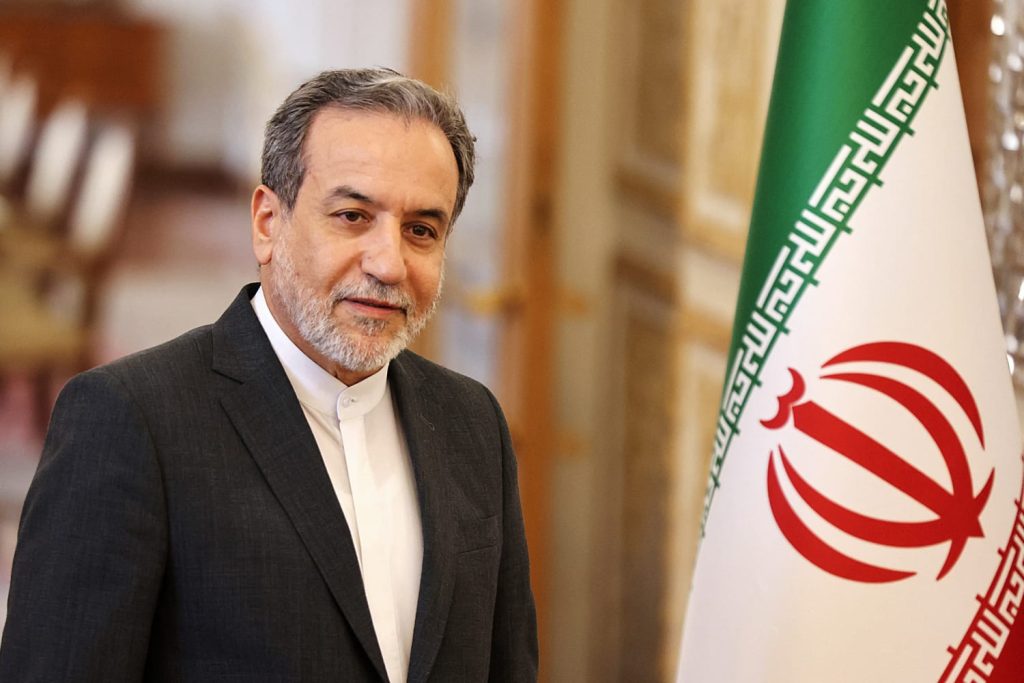
Iran's top diplomat has cautioned that any deviation from its preferred route through the Strait of Hormuz will heighten regional tensions, as sporadic clashes between U.S. and Iranian forces continue over the crucial waterway. These exchanges underscore the precariousness of a recent ceasefire agreement aimed at ending a war that began in February and disrupted global energy markets.
Any attempt to adopt new or separate arrangements compared to what is underway by the Islamic Republic of Iran, will only lead to more complicated situations and delays in the reopening of the Strait of Hormuz, and will increase the tensions.
Despite a ceasefire taking effect in April, the Persian Gulf region has experienced continued sporadic violence, often sparked by maritime traffic through the Strait of Hormuz. On Sunday, U.S. Central Command reported attacking 10 Iranian military targets in response to "continued Iranian aggression against commercial shipping." Iran subsequently claimed retaliatory strikes against U.S. bases in Kuwait and Bahrain, though both nations denied the attacks.
Iran maintains its insistence on controlling passage through the strait, which normally handles a fifth of the world's oil and liquefied natural gas. Currently, Iran mandates that ships use a corridor near its shores, although many vessels have recently opted for a route along the Omani coast. Iranian Foreign Minister Abbas Araghchi stated, "Any attempt to adopt new or separate arrangements... will only lead to more complicated situations and delays... and will increase the tensions."
I urge all parties… to adhere to the memorandum of understanding and not to allow this MoU to deviate from its course.
Iran's Revolutionary Guards announced measures to strictly control traffic in the strait, warning of firmer action against violators. Mohammad Mokhber, an adviser to Iran's supreme leader, suggested that Iran's management of the strait thwarts Washington's "hegemonic dreams in the region." Experts anticipate further incidents in Hormuz, with some suggesting that Iran may benefit from prolonged negotiations coupled with controlled pressure in the strait.
As long as Iran managed the strait, Washington’s “hegemonic dreams in the region will not be realised”.
DistantNews Editorial
Originally published by The Punch. Summarized and contextualized by our editorial team with added local perspective. Read our editorial standards.
More Stories

From Our Blog

How the Same Story Looks Different in Different Countries

What Gets Lost (and Found) When News Is Translated

The Critical Role of Diaspora Media in Global News

What Travellers Should Know About Countries with Restricted Press

A Digital Nomad's Guide to Following Local News
