


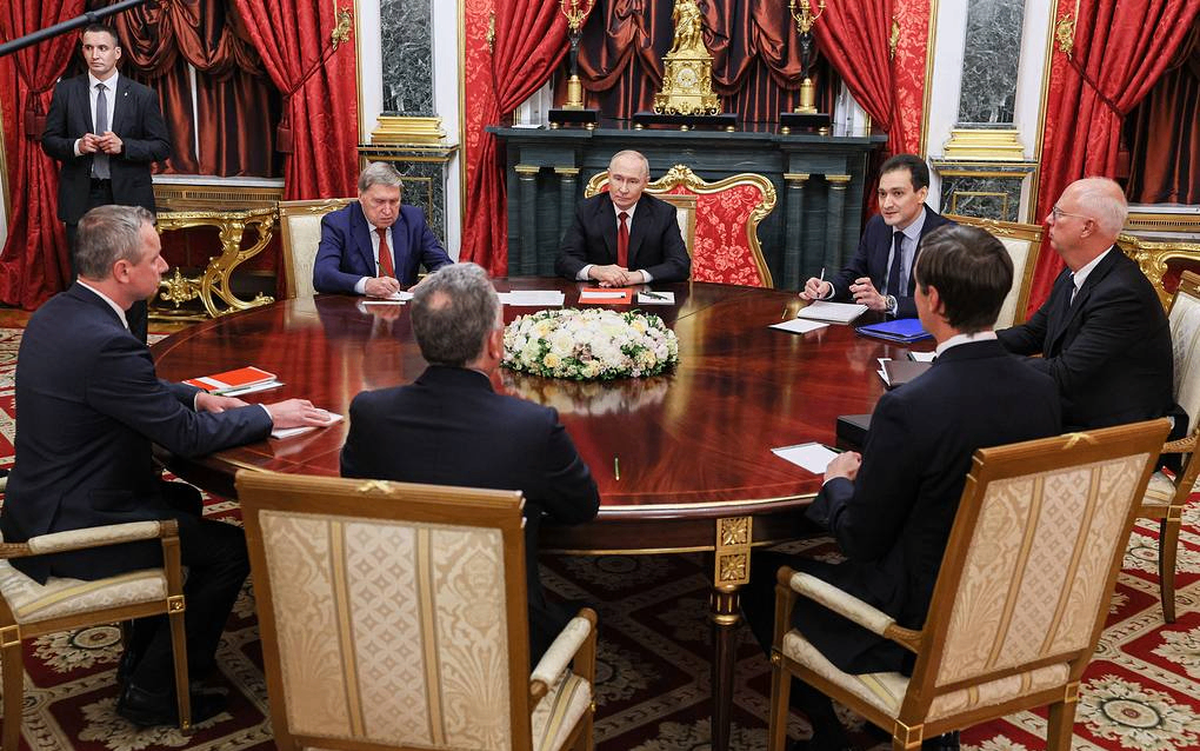

Iran warns South Korea against involvement in Strait of Hormuz
Translated from Vietnamese and summarized by DistantNews. Read the original for the full story.
At a glance
News
Named sources
Ongoing story
- Iran warned South Korea against maintaining a military presence or joining operations in the Strait of Hormuz.
- The warning followed Seoul’s statement that it was considering options, including military measures, to support freedom of navigation through the waterway.
- Tehran said participation by another country could be viewed as direct support for US actions, while South Korea said it was consulting with relevant countries and the international community.
Iran has warned South Korea not to maintain a military presence or take part in activities in the Strait of Hormuz, as pressure grows on Seoul to help protect shipping through the strategic waterway.
Iranian Foreign Ministry spokesman Esmaeil Baghaei issued the warning on September 7 in a post on X, according to Xinhua. He spoke after South Korea said on September 4 that it was considering several options, including military measures, to support “freedom of navigation” in the strait.
In the context of the Iranian people firmly responding to US actions targeting women and children, any other country that maintains a military presence or participates in activities in the Persian Gulf and the Strait of Hormuz can only be seen as directly supporting the aggressors. This will lead to serious consequences.
Baghaei said Iran and South Korea had more than 64 years of relations and that ties were developing on the basis of mutual respect. He stressed that Iran valued its friendship with South Korea. But he also said Iranians were defending themselves against what he called US “aggressive actions.”
“In the context of the Iranian people firmly responding to US actions targeting women and children, any other country that maintains a military presence or participates in activities in the Persian Gulf and the Strait of Hormuz can only be seen as directly supporting the aggressors. This will lead to serious consequences,” Baghaei warned.
wide open
In another post, Baghaei said the Strait of Hormuz had remained “wide open” until February 28, 2026, when the United States and Israel began attacking Iran. He accused Washington of launching an “illegal and brutal war in the region” that disrupted normal commercial shipping, halted oil tanker operations, disrupted trade and sharply increased energy prices. The article said Tehran subsequently restricted vessel activity through the strait, while the US military imposed a naval blockade on ships moving into and out of Iranian ports and coastal areas.
South Korea’s Foreign Ministry said on September 7 that Seoul remained in close contact with relevant countries and the international community to help ensure that all vessels could pass freely through the strait, Yonhap reported. South Korean media also cited Iranian scholar Mohammad Marandi as warning that Tehran could regard Seoul as an enemy and target South Korean assets in the region if Seoul joined the US-led navigation effort.
illegal and brutal war in the region
About this summary
Originally published by Tuổi Trẻ in Vietnamese. Translated, summarized, and contextualized automatically by DistantNews, with a note on how the source frames the story. Not individually reviewed before publishing. How this works.
More Stories

From Our Blog

News in Translation: What Gets Lost, and How We Keep the Framing

Diaspora Media: How Communities Follow News From Home

Traveling Where the Press Is Not Free: How to Read the News There

The Digital Nomad's Guide to Local News

The Same Story, Different Countries: How Coverage Changes at the Border
