

Iran Warns U.S. of 'Quagmire' Amid Escalating Tensions Over Oil Infrastructure
Translated from Spanish, summarized and contextualized by DistantNews.
At a glance
News
Named sources
Ongoing story
- Iran's Parliament Speaker warned the U.S. against continued aggression, predicting a "quagmire" if threats persist.
- The warning comes after President Trump vowed to "hit Iran very hard" and seize its oil infrastructure.
- Tensions have escalated following recent U.S. strikes and Iranian retaliatory actions, impacting strategic oil routes.
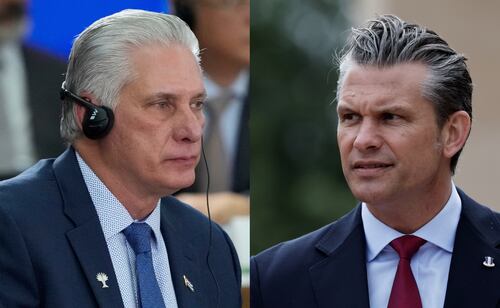
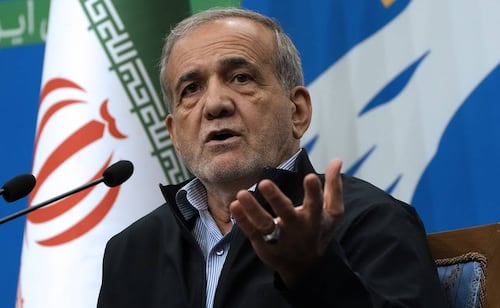
Iran's Parliament Speaker, Mohamad Baqer Qalibaf, issued a stern warning to Washington, cautioning that continued threats and attacks against Iran risk trapping the United States in a "quagmire for years." Qalibaf, who also serves as Iran's chief peace negotiator with the U.S., stated that "erroneous strategies and impulsive decisions" could lead to the collapse of energy infrastructure and markets.
Qalibaf's remarks, delivered via the social media platform X, appeared to be a direct response to U.S. President Donald Trump's recent declarations. Trump had vowed to "hit Iran very hard" and asserted that the U.S. would soon take control of Iran's oil industry, drawing a parallel to U.S. actions in Venezuela. Trump specifically mentioned plans to seize the Kharg Island terminal, Iran's most significant oil export facility, and other related infrastructure.
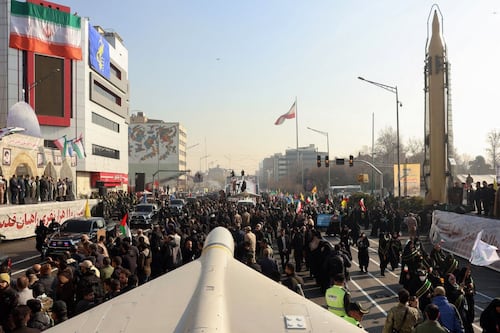
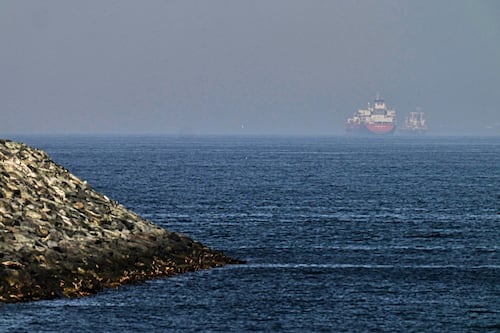
The escalating rhetoric follows a period of heightened military activity between the two nations. Washington launched strikes against Iran for two consecutive days, prompting Tehran to retaliate with bombings against U.S. bases in Kuwait, Jordan, and Bahrain. Iran also declared the closure of the Strait of Hormuz, a crucial chokepoint for global oil transit, which has become a focal point of the conflict since hostilities began on February 28.
This exchange marks the most severe military escalation between Iran and the U.S. since a ceasefire took effect on April 8. Peace talks have reportedly stalled due to disagreements over the terms of a final agreement, adding further complexity to the already volatile situation.
DistantNews Editorial
Originally published by El Universal in Spanish. Translated, summarized, and contextualized by our editorial team with added local perspective. Read our editorial standards.
More Stories

From Our Blog

What Press Freedom Means for the News You Read

What Gets Lost (and Found) When News Is Translated

The Critical Role of Diaspora Media in Global News

What Travellers Should Know About Countries with Restricted Press

A Digital Nomad's Guide to Following Local News
