

Iran warns 'zero hour' nears for operation against US naval forces
Translated from Spanish, summarized and contextualized by DistantNews.
At a glance
News
Named sources
Ongoing story
- Iran's Revolutionary Guard Navy warned of an imminent operation against U.S. naval units in the region.
- The warning comes amid heightened military escalation between Iran and the U.S. in the Middle East.
- Iran claims to maintain full control of the Strait of Hormuz and threatened to halt oil exports if U.S. actions continue.
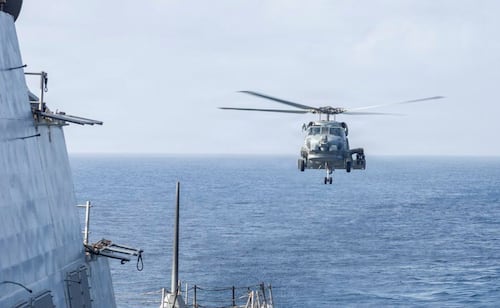
Iran's Revolutionary Guard Navy has issued a stark warning, stating that "zero hour" is approaching for a potential operation against U.S. Central Command (Centcom) naval units. The elite military force declared that American "movements and equipment are under surveillance" by Iran's naval units. This declaration was accompanied by an image of a U.S. aircraft carrier and a cryptic message: "Wait...".
The Americans are getting closer and closer to the zero hour of an operation against the Centcom naval units in the waters of the region.
The heightened tensions follow a recent military escalation between Iran and the United States. U.S. forces have conducted attacks on Iranian territory, while Tehran has retaliated with operations against American targets across the Middle East. The current escalation began after U.S. President Donald Trump terminated a memorandum of understanding with Iran, citing Iranian attacks on commercial vessels in the Strait of Hormuz.
Wait...
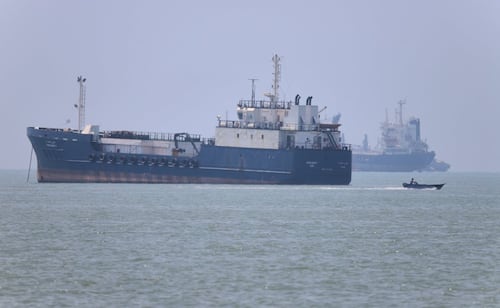
In response, the U.S. reimposed naval blockades on Iranian ports and ships in Hormuz. The Revolutionary Guard asserted its "total control" over the Strait of Hormuz, warning that continued U.S. actions would prevent "a single drop of oil or gas" from being exported from the region. This standoff underscores the volatile security situation in the vital waterway.
while U.S. actions continue, not a single drop of oil or gas will be exported from this region.
DistantNews Editorial
Originally published by El Universal in Spanish. Translated, summarized, and contextualized by our editorial team with added local perspective. Read our editorial standards.
More Stories
From Our Blog

What Press Freedom Means for the News You Read

What Gets Lost (and Found) When News Is Translated

The Critical Role of Diaspora Media in Global News

What Travellers Should Know About Countries with Restricted Press

A Digital Nomad's Guide to Following Local News
