


Iranian Oil Tankers Gather Off Sri Lanka Amid U.S. Sanctions
Translated from Korean, summarized and contextualized by DistantNews.
At a glance
News
Named sources
Ongoing story
- Approximately 20 Iranian oil tankers are reportedly gathered off the coast of Sri Lanka, unable to access Iranian ports due to U.S. maritime sanctions.
- These vessels, including some from Iran's 'shadow fleet,' are believed to be empty and potentially vulnerable to U.S. attacks if they re-enter Iranian waters.
- The U.S. has intensified its maritime blockade, rerouting dozens of commercial ships and halting others, raising concerns about potential Iranian retaliation and global economic disruption.
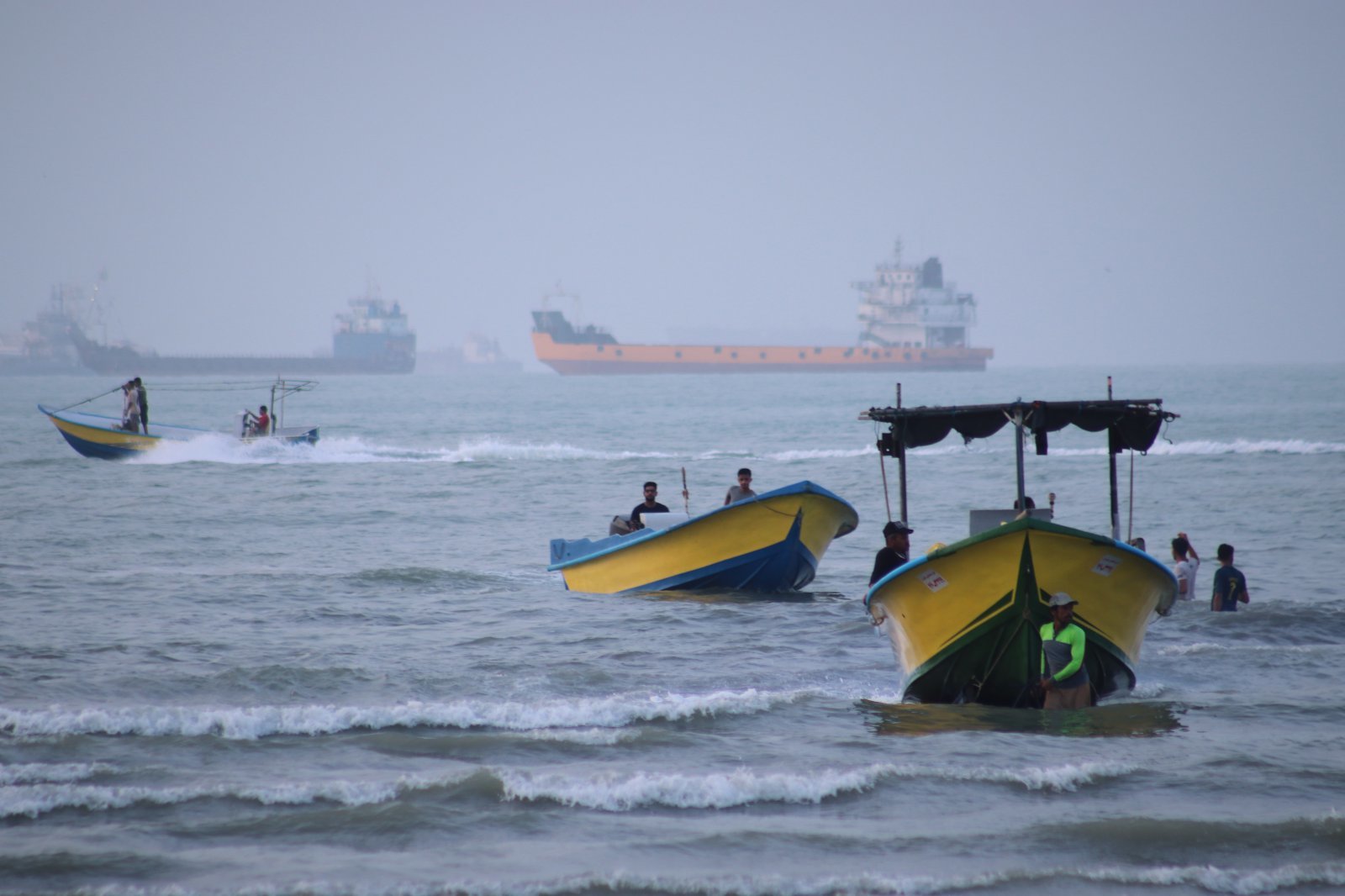
Around 20 Iranian oil tankers have congregated near Sri Lanka's coast and exclusive economic zone, reportedly unable to return to Iranian ports due to intensified U.S. maritime sanctions.
According to the Financial Times, which analyzed ship-tracking data, about 13 Iranian tankers were anchored near Sri Lanka's territorial waters. Vessels linked to Iran's 'shadow fleet', ships involved in covert oil product transportation to evade sanctions, were also present. Samir Madani, co-founder of maritime intelligence firm TankerTrackers.com, estimates the total number to be around 20, including Iranian state-owned tankers seeking refuge in Sri Lanka's EEZ while empty.
All are believed to be empty vessels, and given the high probability of re-entering Iranian waters, they could be more vulnerable to U.S. attacks.
Madani suggested these vessels are likely empty and could be more vulnerable to potential U.S. attacks if they attempt to re-enter Iranian waters. The U.S. maritime blockade, aimed at hindering Iran's fuel imports and oil exports, initially began on April 13 and resumed on July 14 after a brief hiatus. U.S. Treasury Secretary Scott P. Mason recently launched an "economic isolation operation" to heighten the blockade's intensity.
The U.S. has initiated an 'economic isolation operation' to increase the intensity of the blockade.
In response, U.S. forces rerouted 71 commercial ships away from Iran and halted the operations of three vessels on August 24. Data from the oil and commodity information platform Kpler indicates no crude oil has been shipped out of Iran's main export terminal on Kharg Island to destinations outside the Persian Gulf since mid-July. Additionally, 48 tankers identified as trading Iranian crude were reportedly waiting near Malaysia.
Brett Erickson, managing partner at Obsidian Risk Advisors, warned that increased U.S. pressure could provoke Iranian retaliation, potentially destabilizing the global economy. The situation highlights the complex and escalating tensions surrounding international sanctions on Iran's oil sector.
The risk of increased U.S. pressure leading to Iranian retaliation that could shake the global economy.
DistantNews Editorial
Originally published by Dong-A Ilbo in Korean. Translated, summarized, and contextualized by our editorial team with added local perspective. Read our editorial standards.
More Stories



From Our Blog

What Gets Lost (and Found) When News Is Translated

The Critical Role of Diaspora Media in Global News

What Travellers Should Know About Countries with Restricted Press

A Digital Nomad's Guide to Following Local News

How the Same Story Looks Different in Different Countries
