


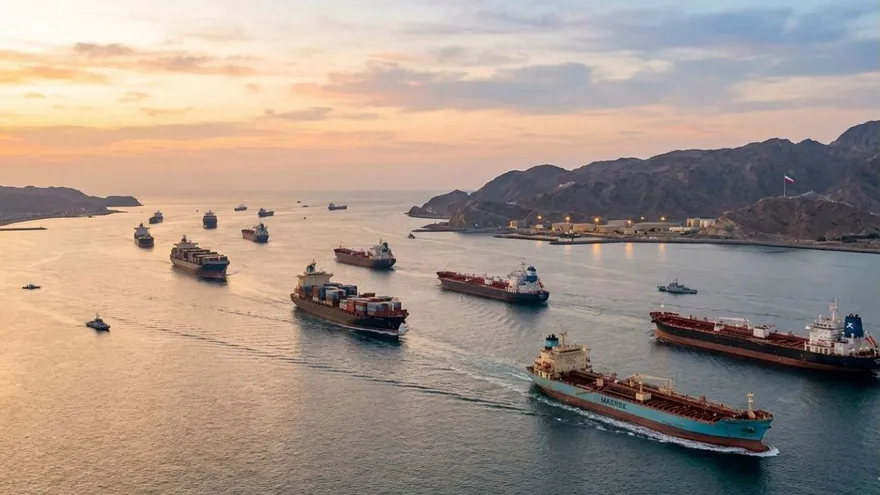
Iranian Revolutionary Guard detains six ships in Strait of Hormuz
Translated from Spanish, summarized and contextualized by DistantNews.
At a glance
News
Named sources
Ongoing story
- Iran's Revolutionary Guard detained six ships in the Strait of Hormuz for attempting to use unauthorized routes.
- This incident follows the detention of four other vessels on Saturday.
- Iran has previously blocked ships in the strategic waterway and claims the Strait remains closed to unauthorized passage.
Iran's Revolutionary Guard naval forces intercepted six ships in the Strait of Hormuz, preventing them from transiting through unauthorized routes, state television reported Monday. The vessels were reportedly forced to turn back after warning shots were fired by the Guard's navy. This action comes just days after the detention of four other ships attempting to cross the southern part of the strait on Saturday.
Last night, six ships that were trying to pass through a different route than the designated one were detained by the Revolutionary Guard navy with warning shots and were forced to turn back.
The Strait of Hormuz, a vital chokepoint for global hydrocarbon transit, has been a site of recurring tensions. Iran has previously blocked passage through the waterway, asserting its control over navigation. The country insists on allowing passage only along routes bordering its coast and has suggested charging tolls for vessels.
These discussions have nothing to do with the United States. This is a bilateral matter between Iran and Oman and they continue.
Recent diplomatic exchanges regarding the administration of the Strait of Hormuz have reportedly excluded the United States. Iran's Foreign Ministry spokesperson stated that discussions with Oman are bilateral and ongoing, emphasizing that the waterway "remains closed" to unauthorized traffic. This assertion underscores Iran's firm stance on controlling maritime passage through this critical strategic area.
The maritime route remains closed.
DistantNews Editorial
Originally published by TVN Panamá in Spanish. Translated, summarized, and contextualized by our editorial team with added local perspective. Read our editorial standards.
More Stories

From Our Blog

What Gets Lost (and Found) When News Is Translated

The Critical Role of Diaspora Media in Global News

What Travellers Should Know About Countries with Restricted Press

A Digital Nomad's Guide to Following Local News

How the Same Story Looks Different in Different Countries
