

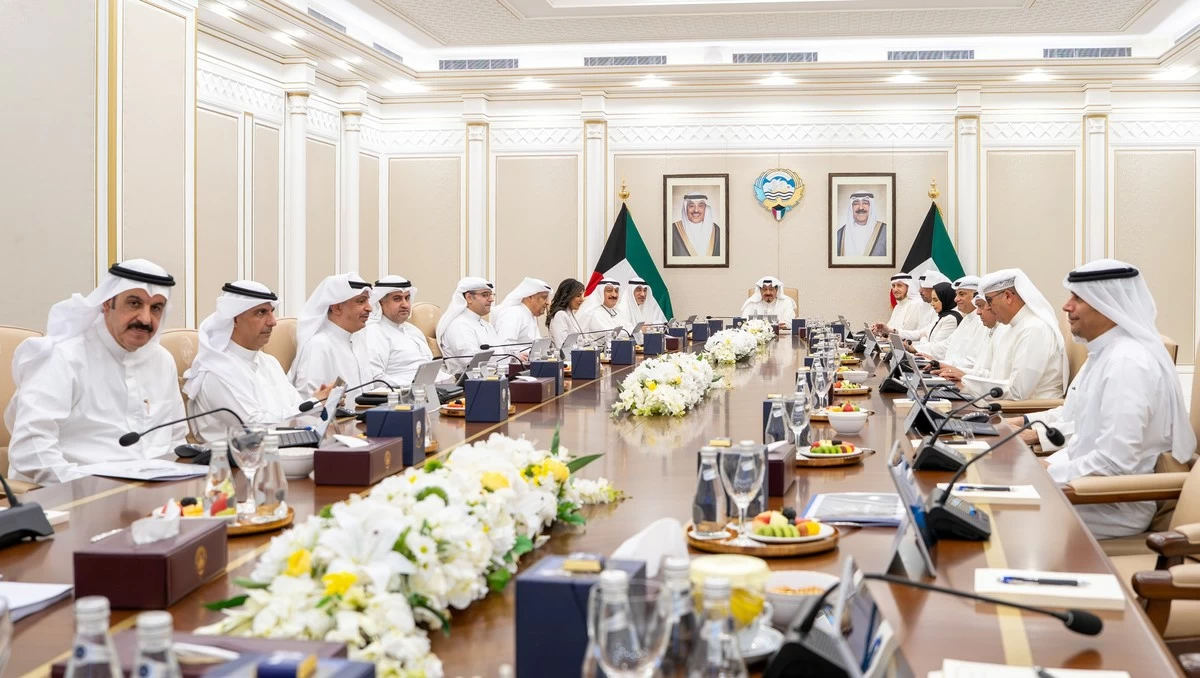

Iranians no longer know who is leading their country
Translated from English and summarized by DistantNews. Read the original for the full story.
At a glance
Opinion
Sources not specified
Context piece
- The commentary argues that Iran’s current power structure lacks a clearly identifiable political and military leader, allowing the Revolutionary Guard to rule behind the scenes.
- It links today’s public anger to economic hardship, war, sanctions and what it describes as decades of oppressive rule.
- The piece compares the current situation with Iran’s upheavals in the 1950s and 1970s, arguing that attempts to control the public narrative are no longer effective.
“We do not know who is ruling Iran,” U.S. President Donald Trump said, describing the uncertainty that now surrounds the country’s leadership. The absence of an obvious political and military leader, this commentary argues, has allowed the Revolutionary Guard to govern from behind the scenes while rival factions compete for power.
The piece looks back to the protests that began against the Shah in 1977. It stresses that all political forces took part, not only the Islamic movement. Two years later, the leaders of the United States, Britain, France and Germany met in Guadeloupe as France recognized that the revolution had moved beyond its control. France then hosted Ayatollah Khomeini in 1978, viewing him as a possible alternative to lead Iran.
The revolution succeeded in 1979, aided by cassette recordings made in Neauphle-le-Château and distributed across Iran. The commentary presents that history as essential to understanding current Iranian public opinion, especially in a country it describes as an arena for regional and international power struggles since the 16th century.
We do not know who is ruling Iran.
It also points to President Masoud Pezeshkian’s statement that “the war must end at some point. It is better to end it today. People staying away from the ruling circle do not understand the conditions under which the government is operating.” The writer interprets those words as a reference to unbearable living and economic conditions.
The commentary says Iranians have grown more resentful after 47 years of rule by the ayatollah, citing the war, tighter sanctions and international abandonment of the Iranian regime. It argues that efforts to repeat the Shah-era tactics of bombings, riots and blaming protesters cannot work in an era when events are fully exposed. The text ends while discussing attempts by media outlets inside and outside Iran to repair the regime’s image.
The war must end at some point. It is better to end it today. People staying away from the ruling circle do not understand the conditions under which the government is operating.
About this summary
Originally published by Arab Times in English. Translated, summarized, and contextualized automatically by DistantNews, with a note on how the source frames the story. Not individually reviewed before publishing. How this works.
More Stories
From Our Blog

What Gets Lost (and Found) When News Is Translated

The Critical Role of Diaspora Media in Global News

What Travellers Should Know About Countries with Restricted Press

A Digital Nomad's Guide to Following Local News

How the Same Story Looks Different in Different Countries
