


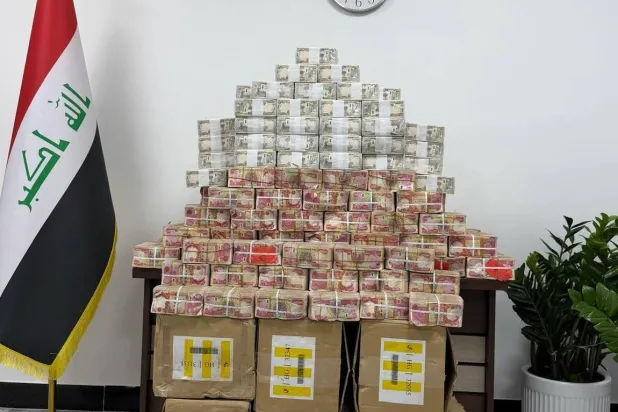
Iraq's shadow economy: Parties, militias allegedly siphon oil wealth
Translated from English, summarized and contextualized by DistantNews.
At a glance
In-depth
Named sources
Context piece
- Iraq's state oil wealth is allegedly channeled through government contracts and commissions into unofficial financial portfolios by economic offices run by political parties and Iran-aligned armed groups.
- These self-sustaining
A veteran financial auditor's decades-old embezzlement case remains open, a lingering symbol of Iraq's pervasive shadow economy. The suspect's nonchalant offer of $1 million to end his interrogation highlighted a vast, multibillion-dollar system where political parties and Iran-aligned militias allegedly siphon oil wealth through unofficial financial portfolios.
My dear, why are you tiring yourself? I have $1 million set aside to get me out of this room.
These entities, known locally as "economic offices," operate as intricate, self-sustaining networks. Testimony from former investigators and officials reveals a system designed to capture state resources via government contracts and commissions. This parallel financial structure, which began evolving around 2006, has reportedly grown into a complex web drawing power from armed groups and elections, according to an adviser familiar with government structures.
Who said it was for you?
Iran reportedly benefits from these parallel financial entities, with some funds allegedly supporting the "Axis of Resistance." Criminalizing or confronting this system has proven difficult, carrying a potentially high political price. The ongoing wave of arrests targeting officials and political figures since mid-June offers a glimmer of hope for a different outcome than the one faced by the auditor years ago.
Get some rest, my dear.
DistantNews Editorial
Originally published by Asharq Al-Awsat in English. Translated, summarized, and contextualized by our editorial team with added local perspective. Read our editorial standards.
More Stories



From Our Blog

What Gets Lost (and Found) When News Is Translated

The Critical Role of Diaspora Media in Global News

What Travellers Should Know About Countries with Restricted Press

A Digital Nomad's Guide to Following Local News

How the Same Story Looks Different in Different Countries
