


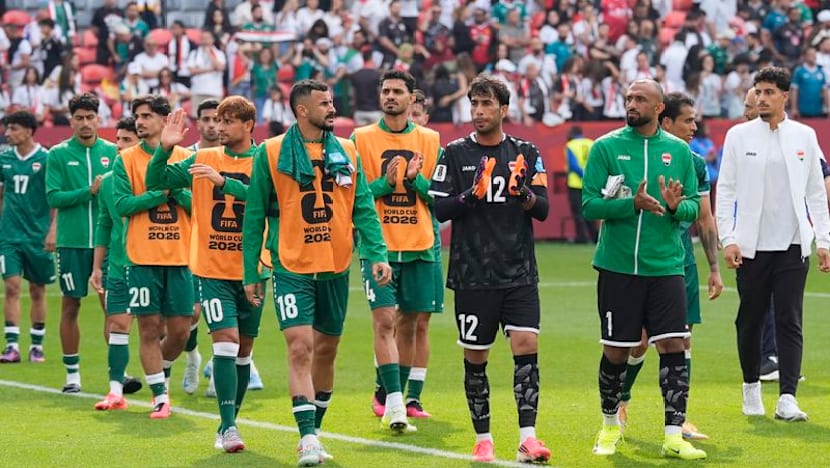
Iraq's World Cup return ends with hope and hard truths
Summarized and contextualized by DistantNews.
At a glance
News
Named sources
Outcome reported
- Iraq's national football team concluded their first World Cup appearance in 40 years with three losses.
- Despite the defeats, the campaign highlighted the need for investment in infrastructure and player development to ensure future success.
- Coach Graham Arnold believes the team has potential but requires better training facilities and resources to compete at the highest level.
Iraq's return to the World Cup after a 40-year absence ended without a single point, marked by three defeats and a significant goal difference against formidable opponents France, Norway, and Senegal. The team's final group match saw a 5-0 loss to Senegal, compounded by an early red card that left them playing with 10 men for over 75 minutes.
However, reducing Iraq's campaign solely to results overlooks the broader significance of their presence on the global stage and the critical questions it raises about the future of Iraqi football. Coach Graham Arnold, who guided the team back to the finals after taking charge a year ago, sees potential but emphasizes the need for substantial investment.
Iraq have fantastic fans and fantastic supporters. They've got the right intention.
"Iraq have fantastic fans and fantastic supporters. They've got the right intention," Arnold stated prior to the final group game. He believes that support in terms of resources, training facilities, and academy development is crucial for nurturing young talent and improving club competitions. This assessment aligns with observations throughout the tournament, where Iraqi players demonstrated commitment and discipline but were often outmatched by opponents with extensive experience in top European leagues.
Midfielder Kevin Yakob described the tournament as a personal triumph, having overcome a career-threatening injury. He noted, "One year ago I didn't know if I could play football anymore. I was out for over two years, and this was the dream I had every day that kept me going." The team's ability to remain competitive at the elite level will depend on translating the lessons learned into tangible investments in players and infrastructure, as Arnold advocates, to propel Iraqi football forward.
One year ago I didn't know if I could play football anymore. I was out for over two years, and this was the dream I had every day that kept me going.
DistantNews Editorial
Originally published by CNA. Summarized and contextualized by our editorial team with added local perspective. Read our editorial standards.
More Stories

From Our Blog

What Gets Lost (and Found) When News Is Translated

The Critical Role of Diaspora Media in Global News

What Travellers Should Know About Countries with Restricted Press

A Digital Nomad's Guide to Following Local News

How the Same Story Looks Different in Different Countries
