

IRGC claims missile strikes on US bases after American attacks on Sirik and Qeshm
Translated from English, summarized and contextualized by DistantNews.
At a glance
News
From a news agency
Ongoing story
- Iran's Islamic Revolutionary Guard Corps (IRGC) claimed to have launched missile strikes against US military bases in the region.
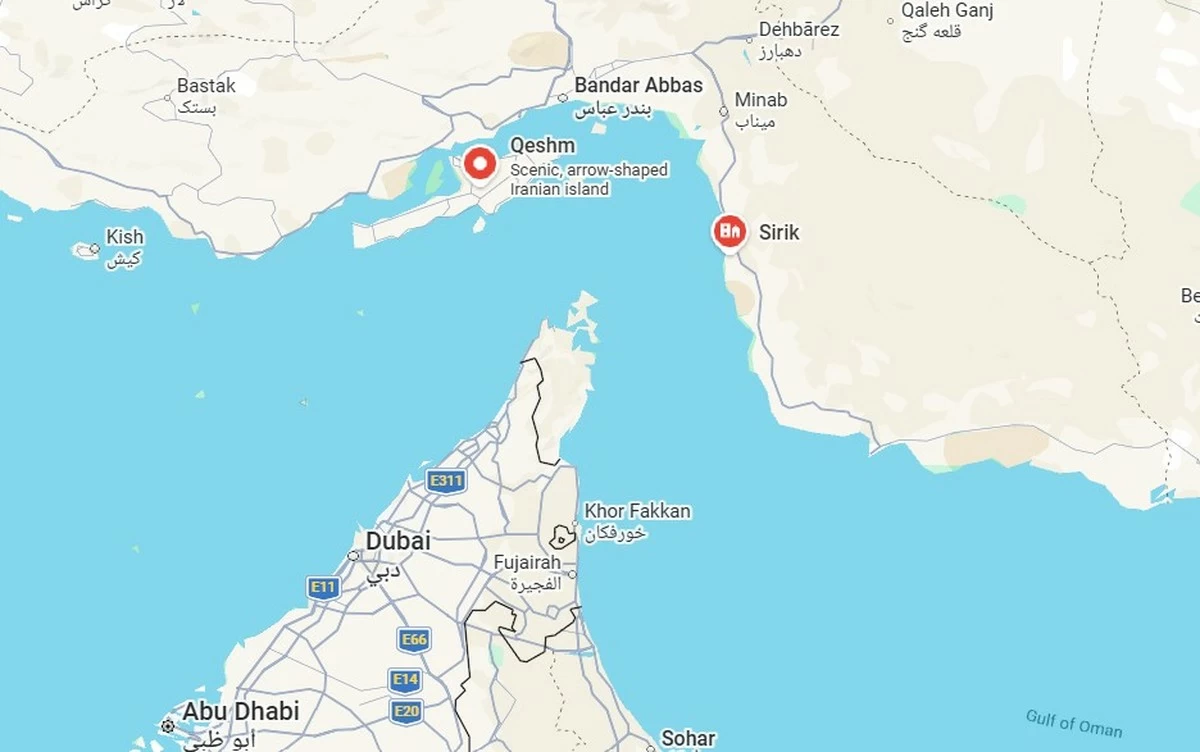
- The IRGC stated the strikes were retaliation for recent American attacks on Iran's southern coastal areas of Sirik and Qeshm Island.
- Tensions between Tehran and Washington are escalating amid a deteriorating security situation in the Gulf, with no independent verification of the claims.
Iran's Islamic Revolutionary Guard Corps (IRGC) announced on June 6 that it launched missile strikes targeting US military bases in the region. The IRGC described the action as a direct response and retaliation for recent American attacks on the southern Iranian locations of Sirik and Qeshm Island.
In a statement disseminated through Iranian state media, the IRGC asserted that the missile launches were a definitive reprisal for what it characterized as US aggression against the two strategic coastal areas. This announcement signifies a notable escalation in the already strained relations between Tehran and Washington, occurring amidst a rapidly worsening security environment in the Gulf region.
Iranian officials framed the missile strikes as a defensive measure. However, no immediate details were provided regarding the extent of damage or casualties resulting from the reported attacks. The claim follows earlier reports of US military operations that allegedly targeted Iranian facilities involved in maritime surveillance and regional security activities.
Authorities from both nations continue to exchange accusations, increasing the risk of the confrontation widening across the region. As of the report, there was no independent verification available for the IRGC's claims regarding the missile strikes.
DistantNews Editorial
Originally published by Arab Times in English. Translated, summarized, and contextualized by our editorial team with added local perspective. Read our editorial standards.
More Stories

From Our Blog

What Gets Lost (and Found) When News Is Translated

The Critical Role of Diaspora Media in Global News

What Travellers Should Know About Countries with Restricted Press

A Digital Nomad's Guide to Following Local News

How the Same Story Looks Different in Different Countries
