

Is the World Cup still fun?
Translated from Vietnamese, summarized and contextualized by DistantNews.
At a glance
Analysis
Sources not specified
Context piece
- The upcoming 48-team World Cup, hosted across the US, Canada, and Mexico, faces skepticism despite its expanded scale.
- While Americans are not passionate football fans, they are significant ticket purchasers due to their wealth, driving FIFA's decision to expand the tournament.
- FIFA envisions the expanded World Cup as a multi-year competitive cycle, extending beyond the tournament itself to include the entire qualification process.
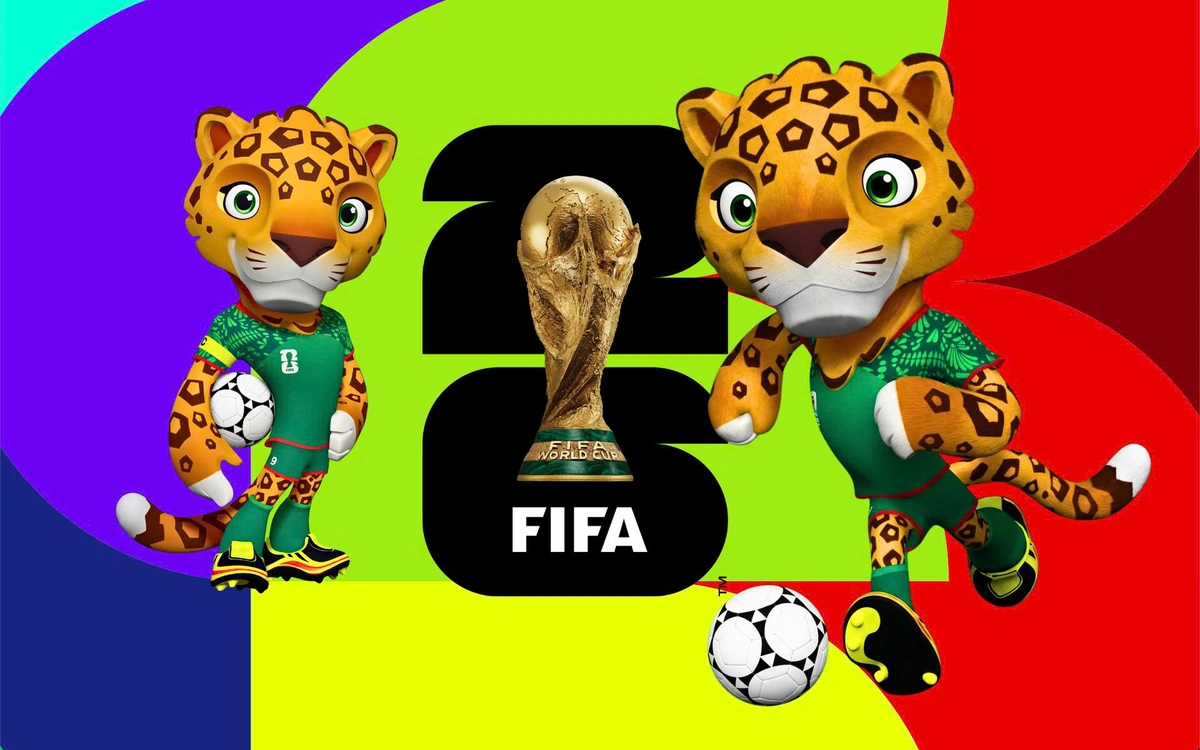
The 2026 World Cup, set to be the largest ever with 48 teams spread across the United States, Canada, and Mexico, is generating a mix of anticipation and doubt. Despite the expanded format, the tournament faces questions about its appeal, particularly in the United States, where soccer is not a dominant sport.
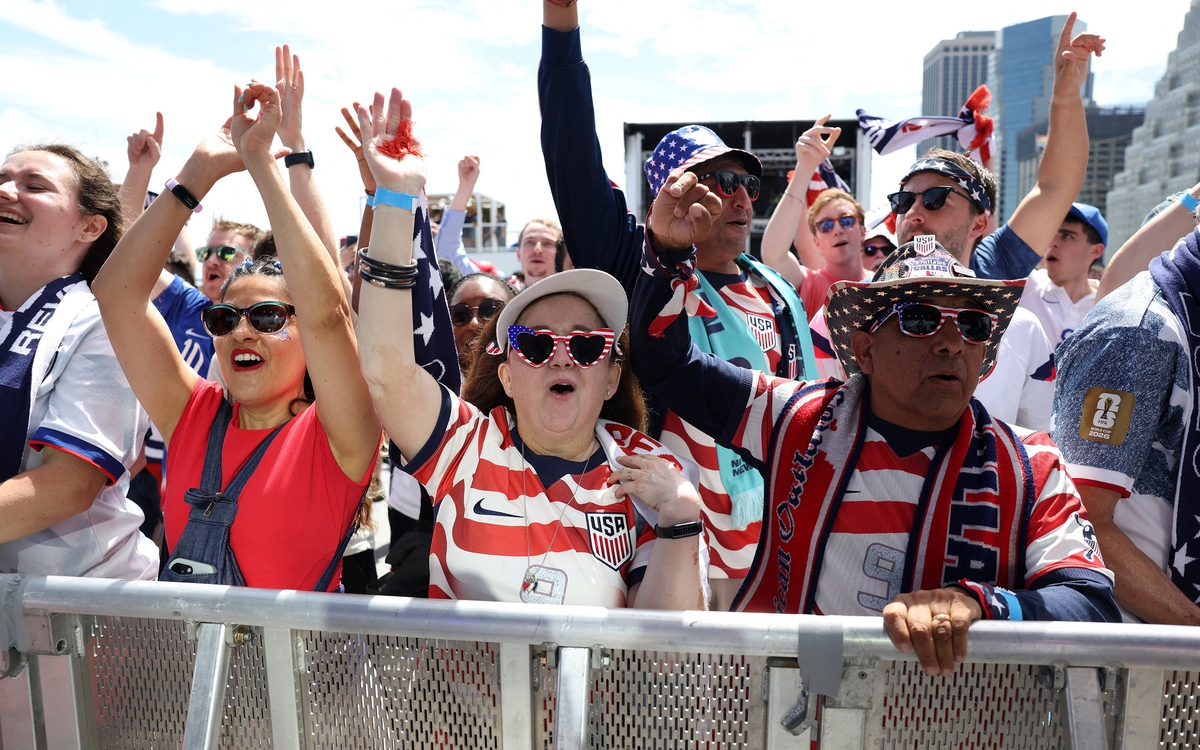
Commentators in the U.S. often joke that Americans excel at every sport except the one the rest of the world plays. While figures like David Beckham and Lionel Messi have boosted Major League Soccer's profile, it still lags behind sports like American football, basketball, and baseball in terms of economic scale and fan engagement. However, data shows that American fans are consistently among the top ticket buyers at World Cups, even when the U.S. national team doesn't qualify. This trend is attributed not to deep-seated passion for the sport, but to the financial capacity of American consumers to afford the high costs associated with attending the event.
FIFA's decision to expand the World Cup to 48 teams aligns with the economic and logistical capabilities of North America, particularly the U.S., which is seen as a reliable host for large-scale, billion-dollar sporting events. FIFA anticipates a "World Cup, American style," leveraging the country's expertise in entertainment and event management.
Beyond the spectacle of the tournament itself, FIFA's strategy for the expanded World Cup encompasses a longer competitive cycle. The organization views the World Cup not just as a month-long festival, but as the culmination of a three-to-four-year qualification race. This extended process aims to engage a wider range of nations, like Indonesia, in the excitement and drama of qualifying matches, integrating them more deeply into the global football narrative.
DistantNews Editorial
Originally published by Tuổi Trẻ in Vietnamese. Translated, summarized, and contextualized by our editorial team with added local perspective. Read our editorial standards.
More Stories
From Our Blog

What Gets Lost (and Found) When News Is Translated

The Critical Role of Diaspora Media in Global News

What Travellers Should Know About Countries with Restricted Press

A Digital Nomad's Guide to Following Local News

How the Same Story Looks Different in Different Countries
