


Is 'under 500 households' small-scale redevelopment? What's the difference with Moa Town and Garohousing?
Translated from Korean and summarized by DistantNews. Read the original for the full story.
At a glance
News
Sources not specified
Context piece
- The South Korean government and ruling party propose transferring authority for designating redevelopment zones for smaller projects from the Seoul mayor to district mayors.
- Seoul City expresses concern that this could disrupt "Moa Town" plans and lead to fragmented development sites.
- The article clarifies the distinctions between "small-scale redevelopment projects," "Moa Town," and "Garohousing" in Seoul's urban renewal context.
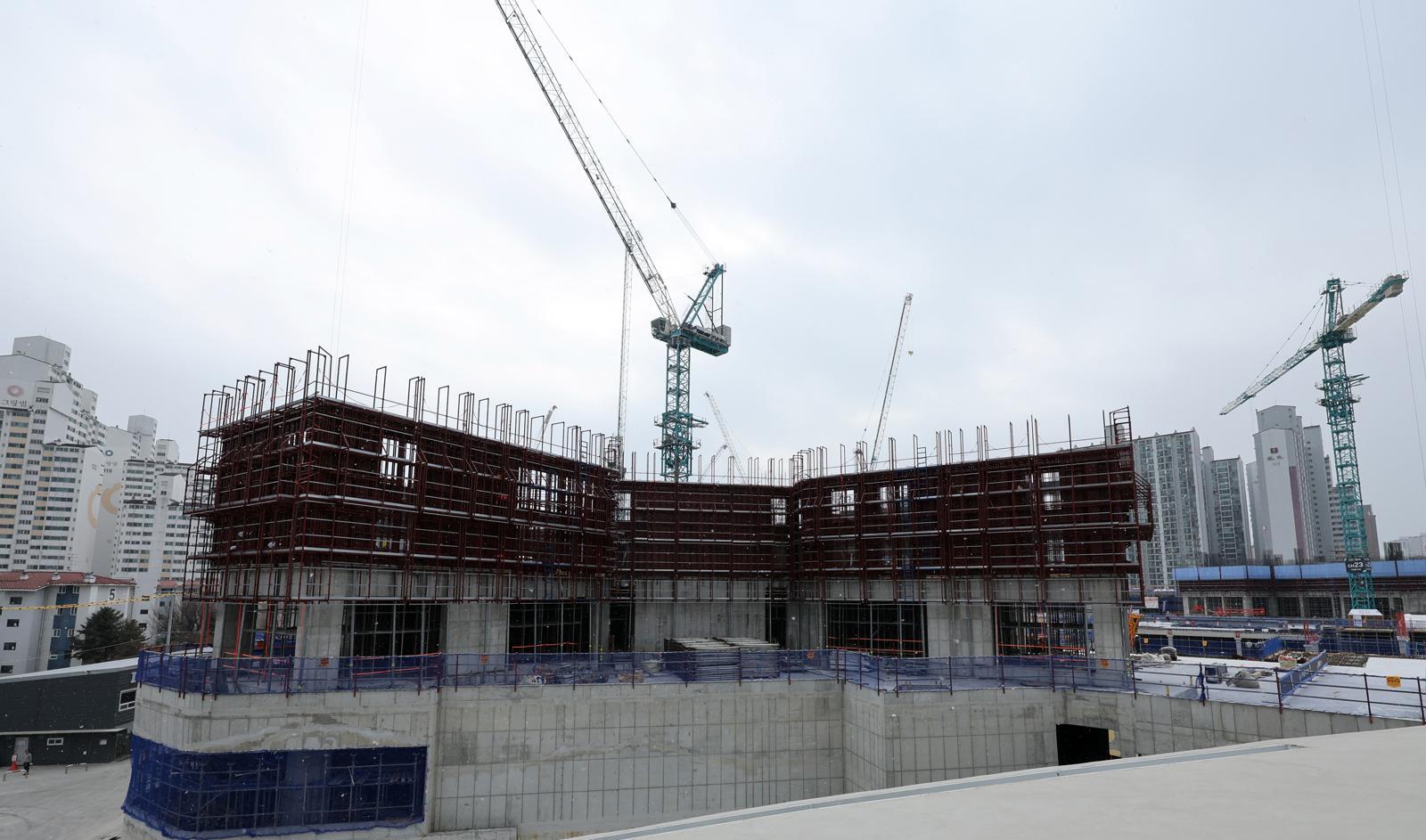
South Korea's government and ruling party are advancing a proposal to shift the power to designate redevelopment zones for projects involving fewer than 500 households from the Seoul mayor to district mayors. This move has sparked disagreement between the city government and its autonomous districts.
Seoul City officials voice concerns that the proposed change could undermine existing "Moa Town" initiatives, a policy aimed at revitalizing older, low-rise residential areas. They fear the fragmentation of development sites, which could complicate urban planning and the provision of essential community facilities.
The article seeks to clarify the terminology, distinguishing "small-scale redevelopment projects", a term used for convenience but not legally defined, from legally recognized "small-scale housing redevelopment projects." These include self-build housing, Garohousing, and small-scale reconstruction or redevelopment under specific laws.
"Moa Town" is presented as a Seoul City initiative, a broader neighborhood-level plan that encompasses multiple smaller "Moa Housing" projects. "Moa Housing" itself refers to individual development projects within a Moa Town, often utilizing legal frameworks like Garohousing, which aims to redevelop one or two blocks while preserving existing road networks.
The core issue lies in the potential for competition between different development approaches. If designating zones for under-500-household projects becomes easier, residents might opt out of Moa Town plans to pursue separate redevelopments or demand that their sites be divided into smaller zones. This could disrupt the integrated planning of roads and parking facilities intended for Moa Towns, impacting the city's ability to secure amenities like daycare centers and libraries.
About this summary
Originally published by Hankyoreh in Korean. Translated, summarized, and contextualized automatically by DistantNews, with a note on how the source frames the story. Not individually reviewed before publishing. How this works.
More Stories

From Our Blog

What Gets Lost (and Found) When News Is Translated

The Critical Role of Diaspora Media in Global News

What Travellers Should Know About Countries with Restricted Press

A Digital Nomad's Guide to Following Local News

How the Same Story Looks Different in Different Countries
