


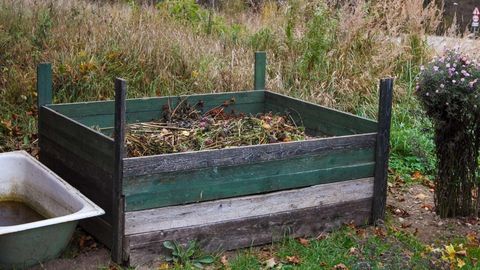
Is Wood Ash Beneficial for Compost?
Translated from Estonian, summarized and contextualized by DistantNews.
At a glance
Explainer
Sources not specified
Context piece
- Wood ash can be a beneficial addition to compost due to its mineral content, including potassium and calcium.
- It can also help reduce the acidity of compost, promoting a more balanced decomposition process.
- However, ash should be added moderately, as excessive amounts can make the compost too alkaline and slow down decomposition.
Adding wood ash to your compost pile can offer several benefits for plant health and the composting process itself. Wood ash is rich in essential minerals like potassium and calcium, which are vital nutrients for plant growth. Incorporating it into compost can enrich the final product, providing a natural fertilizer for your garden.
Beyond its mineral content, wood ash also plays a role in regulating the compost's pH level. It helps to reduce acidity, creating a more balanced environment that can accelerate the decomposition of organic materials. This makes the composting process more efficient and results in a higher quality compost.
However, gardeners are advised to use wood ash with moderation. While beneficial in small quantities, adding too much ash can have detrimental effects. Excessive amounts can significantly increase the compost's alkalinity, potentially hindering the activity of beneficial microorganisms responsible for breaking down organic matter. This can slow down the entire decomposition process, defeating the purpose of composting.
As a general guideline, a thin layer or a couple of handfuls of wood ash at a time is usually sufficient. By following this advice, gardeners can effectively utilize wood ash to enhance their compost without disrupting the delicate balance required for successful decomposition.
DistantNews Editorial
Originally published by Postimees in Estonian. Translated, summarized, and contextualized by our editorial team with added local perspective. Read our editorial standards.
More Stories
/nginx/o/2026/04/16/17566974t1h06ba.jpg)
From Our Blog

What Gets Lost (and Found) When News Is Translated

The Critical Role of Diaspora Media in Global News

What Travellers Should Know About Countries with Restricted Press

A Digital Nomad's Guide to Following Local News

How the Same Story Looks Different in Different Countries
