

Is Your Hair Thirsty or Hungry? How to Tell the Difference
Translated from Spanish, summarized and contextualized by DistantNews.
At a glance
In-depth
Sources not specified
Context piece
- Hair can require either hydration or nutrition, and mistaking one for the other hinders improvement.
- Hydration replenishes water in hair, addressing issues like roughness, frizz, and dullness.
- Nutrition supplies lipids and oils to protect and strengthen hair, vital for chemically or heat-damaged strands.
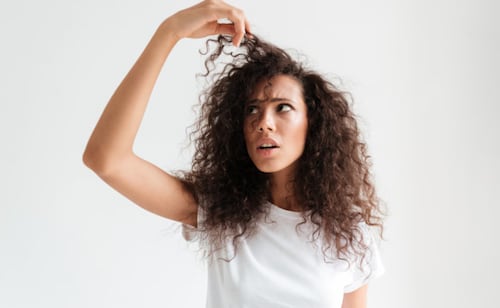
Many people struggle to improve their hair's condition despite using various treatments. The key often lies in distinguishing between the hair's need for hydration or nutrition. Mistaking one for the other means the chosen product won't address the root problem.
Hydration focuses on replenishing and retaining water within the hair shaft. Signs of dehydration include roughness, frizz, dullness, tangles, and a lack of movement or elasticity. If hair temporarily softens when wet, it likely needs hydration. Products with ingredients like hyaluronic acid, aloe vera, glycerin, or panthenol are typically used for this purpose.
Nutrition, on the other hand, involves supplying lipids or oils to protect and fortify the hair. This is crucial for hair damaged by chemical treatments, heat styling, or environmental factors. Dry, split ends, breakage, porosity, and a stiff texture indicate a need for nutrition. Ingredients like argan oil, coconut oil, avocado oil, shea butter, or jojoba oil are common in nourishing products.
It's common for hair to need both hydration and nutrition. Frizz might signal a lack of water, while damaged ends require oils. Many experts recommend alternating between hydrating and nourishing treatments. Observing how hair responds to different routines is essential. For dull hair, start with a weekly hydrating mask. If dryness persists, add nourishing oils or masks. Reducing heat styling, protecting hair from the sun, and using appropriate products also contribute to healthier hair.
DistantNews Editorial
Originally published by El Universal in Spanish. Translated, summarized, and contextualized by our editorial team with added local perspective. Read our editorial standards.
More Stories

From Our Blog

What Press Freedom Means for the News You Read

What Gets Lost (and Found) When News Is Translated

The Critical Role of Diaspora Media in Global News

What Travellers Should Know About Countries with Restricted Press

A Digital Nomad's Guide to Following Local News
