

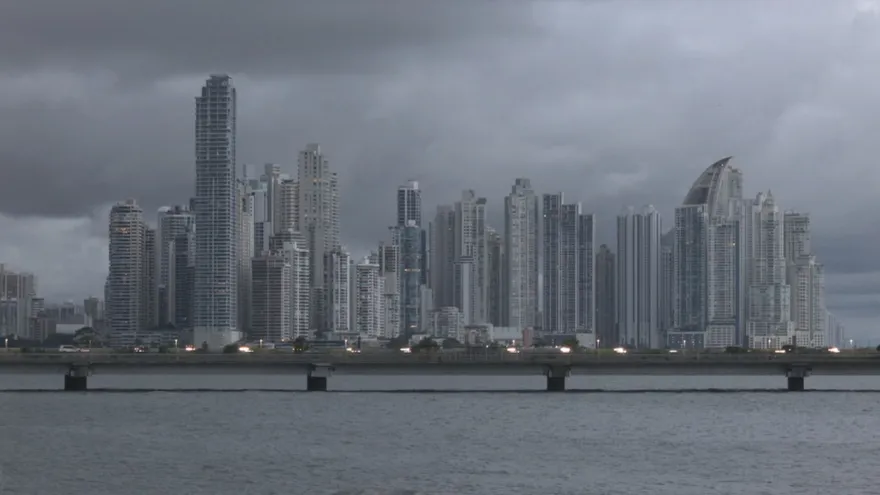

Isla Colón residents demand air ambulance amid concerns over risky patient transfers
Translated from Spanish, summarized and contextualized by DistantNews.
At a glance
News
Named sources
New plan
- Residents of Isla Colón in Bocas del Toro are concerned about the safety of patient transfers to Changuinola due to maritime risks.
- A previous ambulance boat capsized in April 2025, resulting in a fatality, and recent rough seas have further highlighted the dangers.
- The community is requesting an air ambulance service, while the Ministry of Health is working to acquire a new ambulance boat.
Residents of Isla Colón in Panama's Bocas del Toro province are raising alarms about the perilous conditions under which patients are transferred to medical centers in Changuinola. Their concerns stem from a tragic incident in April 2025 when an ambulance boat capsized while transporting an elderly patient, who later died. This incident, coupled with recent transfers of critically ill patients amidst strong waves, has intensified fears about the safety of maritime transport for urgent medical cases.
"They are in Chiriquí in an hour and do not suffer that blow going in an ambulance, running, they are killing the patient before they reach the hospital in Chiriquí. I ask you again, the comarcas need a helicopter," one concerned citizen stated, emphasizing the need for faster and safer transport options.
They are in Chiriquí in an hour and do not suffer that blow going in an ambulance, running, they are killing the patient before they reach the hospital in Chiriquí. I ask you again, the comarcas need a helicopter.
The Ministry of Health has acknowledged the issue and is reportedly managing the acquisition of a new ambulance boat to bolster patient transfer capabilities. Roberto López of the Ministry of Health explained that time is a critical factor in moving patients in delicate conditions. "A vessel, a rapid patient transfer boat; what prevails in terms of effective transfer would be the time factor, the patient's life versus the time, whether by sea or by air. If the weather does not cooperate, there will always be some kind of risk situation," he noted.
While awaiting the new vessel, the community continues to advocate for an air ambulance service. They believe aerial transport would significantly reduce response times and ensure more timely medical attention, especially for severe emergencies and patients from remote areas. The residents argue that sea transfers pose an unacceptable risk to patients requiring urgent care.
A vessel, a rapid patient transfer boat; what prevails in terms of effective transfer would be the time factor, the patient's life versus the time, whether by sea or by air. If the weather does not cooperate, there will always be some kind of risk situation.
DistantNews Editorial
Originally published by TVN Panamá in Spanish. Translated, summarized, and contextualized by our editorial team with added local perspective. Read our editorial standards.
More Stories


From Our Blog

What Gets Lost (and Found) When News Is Translated

The Critical Role of Diaspora Media in Global News

What Travellers Should Know About Countries with Restricted Press

A Digital Nomad's Guide to Following Local News

How the Same Story Looks Different in Different Countries
