


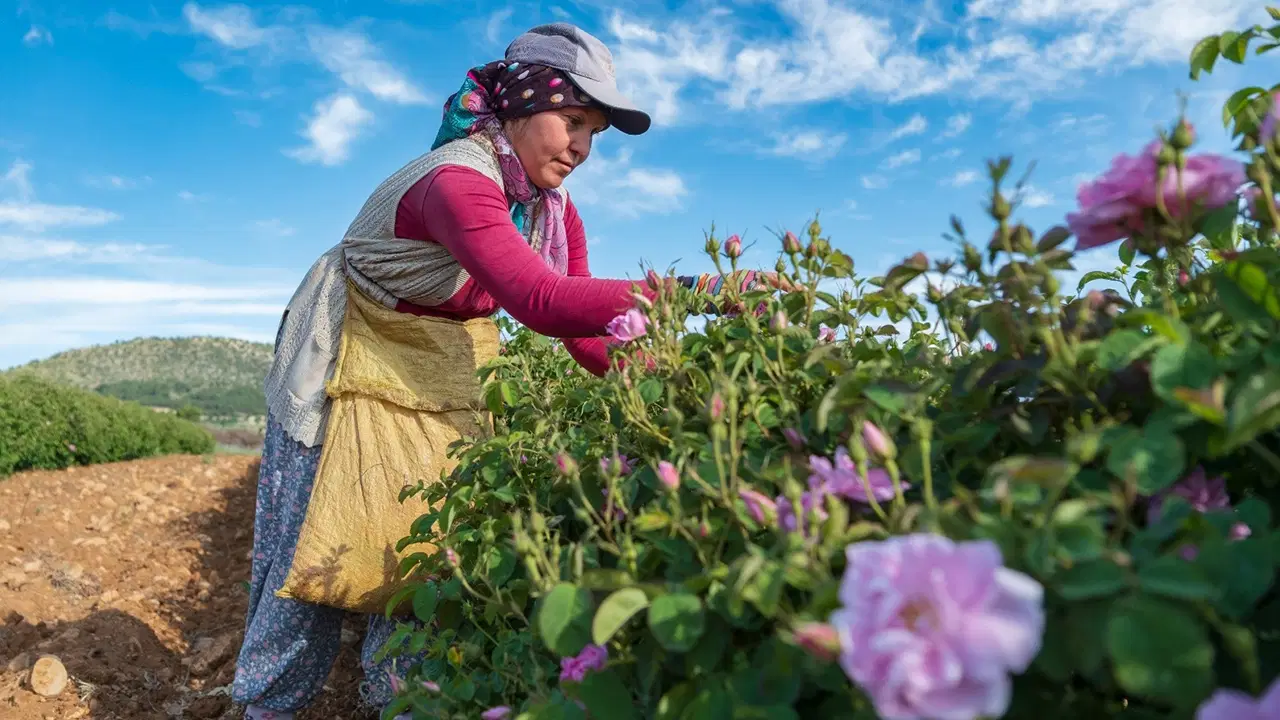
Isparta's 'rose' labor: Producers and workers unhappy with prices
Translated from Turkish, summarized and contextualized by DistantNews.
At a glance
News
Named sources
Context piece
- Rose producers and workers in Isparta, Turkey, are dissatisfied with the announced purchase prices for rose oil.
- Farmers cite rising costs for fertilizer, labor, and cultivation, arguing the current prices are insufficient for profit.
- Workers also report low wages and difficulty finding employment, with prices per kilogram increasing mid-season.
In Isparta, Turkey, a major global center for rose oil production, the harvest season is underway, but discontent is brewing among both rose growers and laborers. Producers and workers in the Keçiborlu district's Kozluca village are expressing frustration over the prices set by Gülbirlik, the primary rose and rose oil cooperative.
Rose cultivation is a separate job. It normally lasts a month. It starts with the morning call to prayer. It's not clear when the rose picking will end. If the weather is rainy, fewer bloom, you pick earlier. If it's muddy, the work drags on. This job has no set hours. The most important part is that the rose cannot wait until the next day. If it waits in the sack, it spoils. It must be picked and delivered to the factory on the same day.
Producers argue that the announced purchase price of 80 Turkish Lira per kilogram is inadequate, especially considering the rising costs associated with cultivation. "There are costs for fertilizer, pruning, tilling, and weeding. The labor involved is substantial," explained Ramazan Kılıç, the village headman. He noted that while private buyers offered 90 Lira, these prices still leave producers with very limited earnings. The delicate nature of roses requires immediate processing after harvest, adding to the logistical challenges and costs.
There are costs for fertilizer, pruning, tilling, and weeding. The labor involved is substantial. Gülbirlik announced 80 lira, the private sector gave 90 lira, but these are not enough. With these prices, the producer's profit is quite limited.
Workers involved in the harvest also find the compensation insufficient. Gülsüm Bozuklu, who traveled from Istanbul to participate in the harvest, stated that the wages are too low. Initially set at 35 Lira per kilogram at the season's start, the rate increased to around 40 Lira mid-season. However, finding workers is becoming increasingly difficult each year, and some producers resort to higher rates to prevent crop loss. Fera İpek, a rose producer for nearly a decade, highlighted that while costs for everything else are rising, the price of roses has remained stagnant, significantly impacting profitability, especially for those who hire external labor.
Everything's price is rising, but the price of rose remaining the same is not very pleasant. The price of fertilizer is increasing, the price of labor is increasing, there is pruning, there is spraying. The cost of all these is rising, but the rose remains the same. If you do all the work yourself, you can earn a little. But if you hire outside labor and have maintenance done, the profit decreases considerably.
DistantNews Editorial
Originally published by Cumhuriyet in Turkish. Translated, summarized, and contextualized by our editorial team with added local perspective. Read our editorial standards.
More Stories



From Our Blog

What Gets Lost (and Found) When News Is Translated

The Critical Role of Diaspora Media in Global News

What Travellers Should Know About Countries with Restricted Press

A Digital Nomad's Guide to Following Local News

How the Same Story Looks Different in Different Countries
