


Israel Closes Gaza Crossings Amid Iran Tensions
Translated from English, summarized and contextualized by DistantNews.
At a glance
News
From a news agency
Ongoing story
- Israel announced the closure of Gaza crossings, citing heightened tensions with Iran and necessary security measures.
- The closure affects the main humanitarian aid entry point, though authorities claim adequate aid has been delivered.
- The move follows Iran's missile attack on Israel, which was intercepted by defense systems.
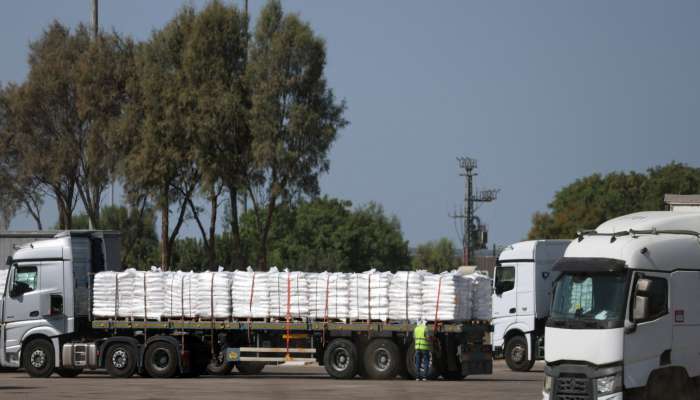
Israel announced Sunday night it is closing crossings into Gaza, citing increased tensions with Iran and the need for security measures. The Coordinator of Government Activities in the Territories (COGAT) stated the closure is part of "necessary security measures." The Kerem Shalom crossing, Gaza's primary entry point for humanitarian aid, is affected by this decision.
necessary security measures
According to CNN, COGAT asserted that sufficient aid has already been supplied since the ceasefire began and emphasized that the measure "will not affect the humanitarian situation" in the region. This closure comes after Iran launched missiles at Israel on Monday, marking the first Iranian missile attack since an April 8 ceasefire. The Israel Defense Forces (IDF) confirmed that defensive systems were actively intercepting the threat, with the Home Front Command issuing safety directives.
will not affect the humanitarian situation
Earlier in February, Israel had also closed Gaza crossings during its conflict with Iran, reopening them a few days later. On Sunday, Israel also struck what it described as terrorist headquarters in Beirut after Hezbollah fired into its territory. No casualties or damage have been reported from the Iranian missile attack so far, according to euro news.
Sirens were sounded in several areas across the country following the identification of missiles launched from Iran toward Israel. The IDF identified missiles launched from Iran toward Israel. Defensive systems are operating to intercept the threat
DistantNews Editorial
Originally published by Times of Oman in English. Translated, summarized, and contextualized by our editorial team with added local perspective. Read our editorial standards.
More Stories


From Our Blog

What Gets Lost (and Found) When News Is Translated

The Critical Role of Diaspora Media in Global News

What Travellers Should Know About Countries with Restricted Press

A Digital Nomad's Guide to Following Local News

How the Same Story Looks Different in Different Countries
