

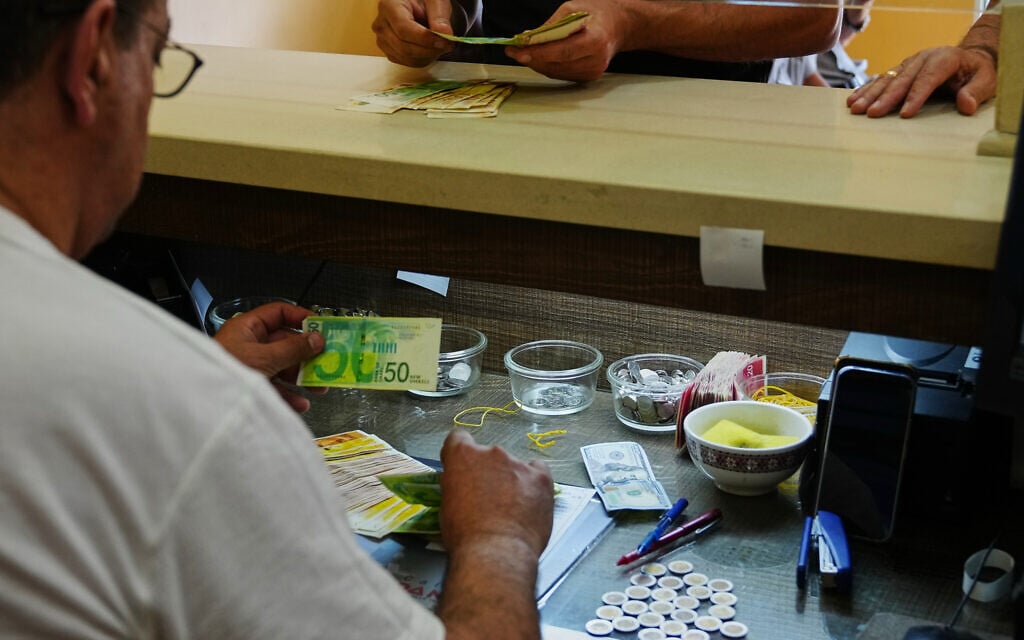
Israel eases Palestinian banking crisis it helped create, but timing questioned
Translated from English, summarized and contextualized by DistantNews.
At a glance
News
Sources not specified
New plan
- Israel's Finance Minister signed a waiver allowing transactions with Palestinian banks until the end of 2026.
- The move aims to ease a banking crisis that Israel's policies helped create, but Israeli financial institutions remain hesitant.
- The waiver's effectiveness is questioned as it comes late, with concerns about the West Bank's economic stability.
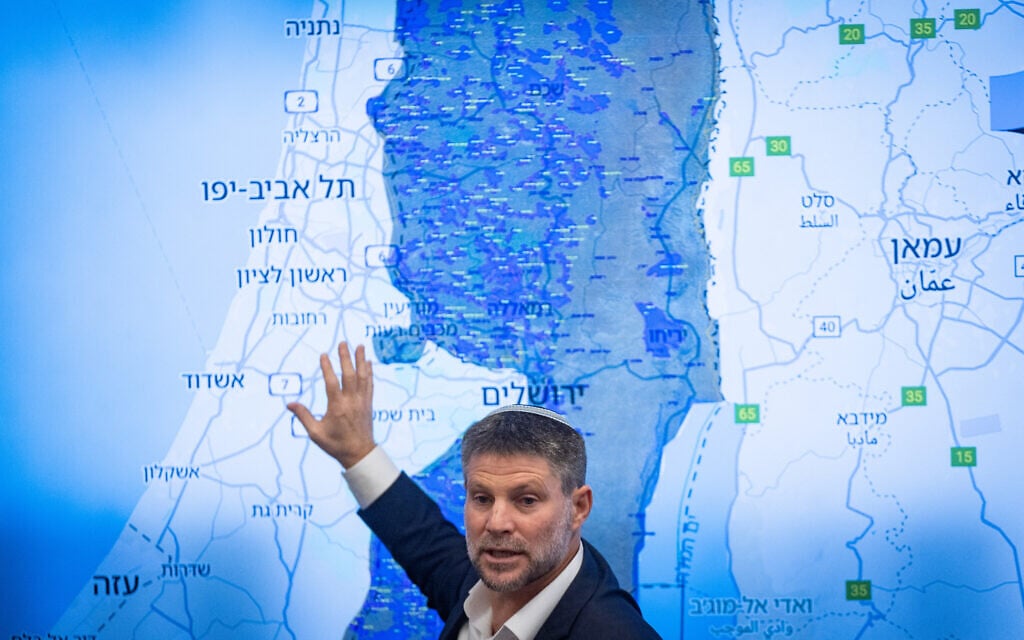
Israel's Finance Minister, Bezalel Smotrich, has signed a waiver permitting transactions with Palestinian banks until the end of 2026. This decision aims to alleviate a banking crisis that Israeli policies have contributed to, particularly concerning the flow of funds into the West Bank. However, Israeli financial institutions express wariness about continuing to provide essential services that keep the Palestinian economy afloat.
The waiver arrives as a response to a growing crisis, but its timing is questioned. Critics suggest it may be too late to fully mitigate the damage already done. The West Bank's economy relies heavily on these financial lifelines, and any disruption can have severe consequences for businesses and individuals.
Smotrich's move is seen as an attempt to stabilize the situation, but the underlying tensions and the cautious stance of Israeli banks present significant challenges. The effectiveness of this waiver will depend on whether these financial institutions can be reassured and persuaded to continue their crucial role in supporting the Palestinian economy.
Smotrich signs waiver allowing transactions with Palestinian banks until end of 2026, though Israeli financial institutions are wary about continuing to provide services crucial to keeping West Bank economy afloat
DistantNews Editorial
Originally published by Times of Israel in English. Translated, summarized, and contextualized by our editorial team with added local perspective. Read our editorial standards.
More Stories
From Our Blog

What Gets Lost (and Found) When News Is Translated

The Critical Role of Diaspora Media in Global News

What Travellers Should Know About Countries with Restricted Press

A Digital Nomad's Guide to Following Local News

How the Same Story Looks Different in Different Countries
