


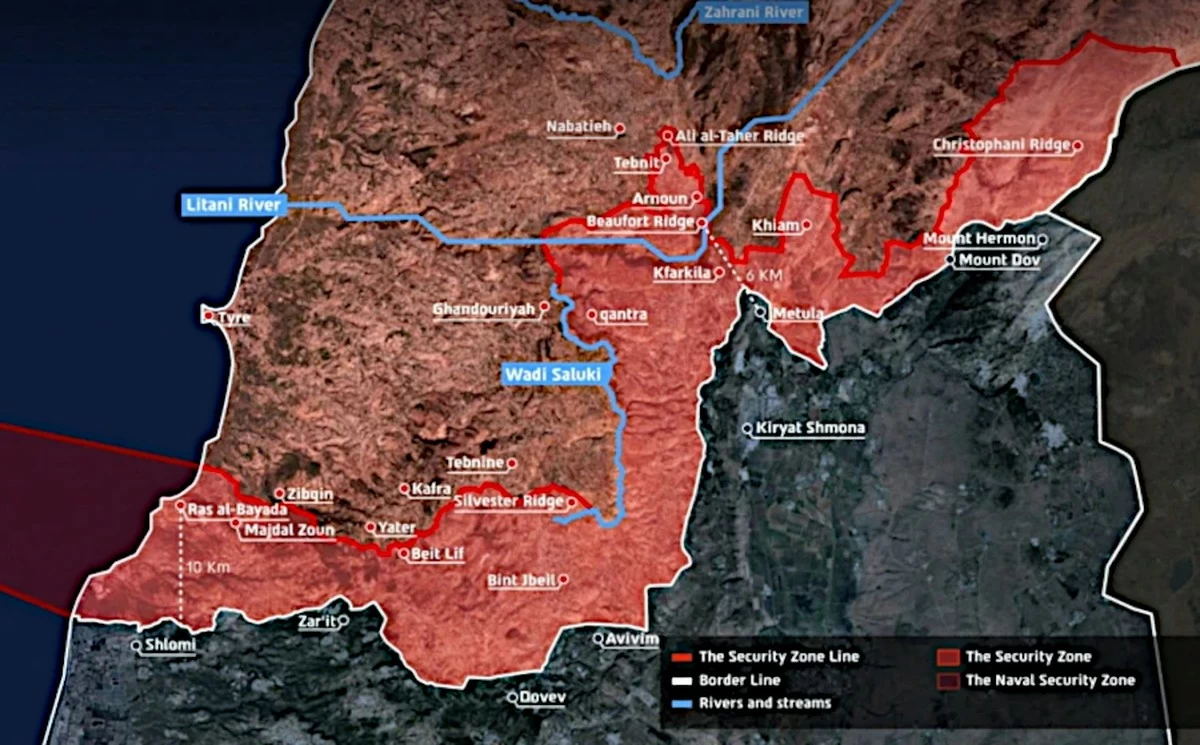
Israel Halts Fire in Lebanon but Keeps Troops in Occupied Areas
Summarized and contextualized by DistantNews.
At a glance
News
Named sources
New plan
- The Israeli military has reportedly halted firing operations in Lebanon.
- Troops, however, remain stationed in occupied areas within southern Lebanese territory.
- This reported shift follows instructions from Prime Minister Benjamin Netanyahu and Defense Minister Israel Katz amid regional tensions.
The Israeli military has reportedly ceased its firing operations along the Lebanon border, according to Israeli media reports on Saturday. This decision comes while Israeli troops continue to occupy areas within southern Lebanese territory, signaling a complex approach to de-escalation amid heightened regional tensions.
Reports from Israel's Channel 12 indicated that the directive to halt firing originated from Prime Minister Benjamin Netanyahu and Defense Minister Israel Katz. This move suggests a strategic adjustment to reduce direct military engagement along the border, even as Israel maintains its presence in occupied zones.
The development occurs against a backdrop of ongoing efforts to preserve regional stability, particularly following recent hostilities and in light of the recent US-Iran agreement aimed at de-escalating conflict. The continued deployment of Israeli forces within Lebanon is likely to remain a contentious issue, raising questions about the implementation of ceasefire understandings and the future security landscape of the border region.
Lebanese authorities have not yet issued an immediate comment on the reported Israeli military actions. The situation remains fluid, with the future security arrangements along the Israel-Lebanon border still uncertain.
DistantNews Editorial
Originally published by Arab Times. Summarized and contextualized by our editorial team with added local perspective. Read our editorial standards.
More Stories

From Our Blog

What Gets Lost (and Found) When News Is Translated

The Critical Role of Diaspora Media in Global News

What Travellers Should Know About Countries with Restricted Press

A Digital Nomad's Guide to Following Local News

How the Same Story Looks Different in Different Countries
