


Israel Refuses to Withdraw from Southern Lebanon Security Zone Amid Fragile Ceasefire
Translated from Korean, summarized and contextualized by DistantNews.
At a glance
News
Sources not specified
Ongoing story
- Israel has reiterated its refusal to withdraw from its security zone in southern Lebanon, despite a fragile ceasefire following US-Iran negotiations.
- The conflict has resulted in the complete destruction of over 11,000 buildings in southern Lebanon, displacing thousands.
- Tensions remain high as Israel expresses dissatisfaction with the US-Iran agreement, fearing it could limit its military operations against Hezbollah and increase Iranian influence.
Despite a fragile ceasefire brokered after US-Iran negotiations, Israel has firmly stated it will not withdraw from its occupied security zone in southern Lebanon, maintaining a tense standoff. While some displaced residents have begun returning to their homes, the recent conflict has led to the complete destruction of over 11,000 buildings in southern Lebanon, impacting approximately 17,891 households.
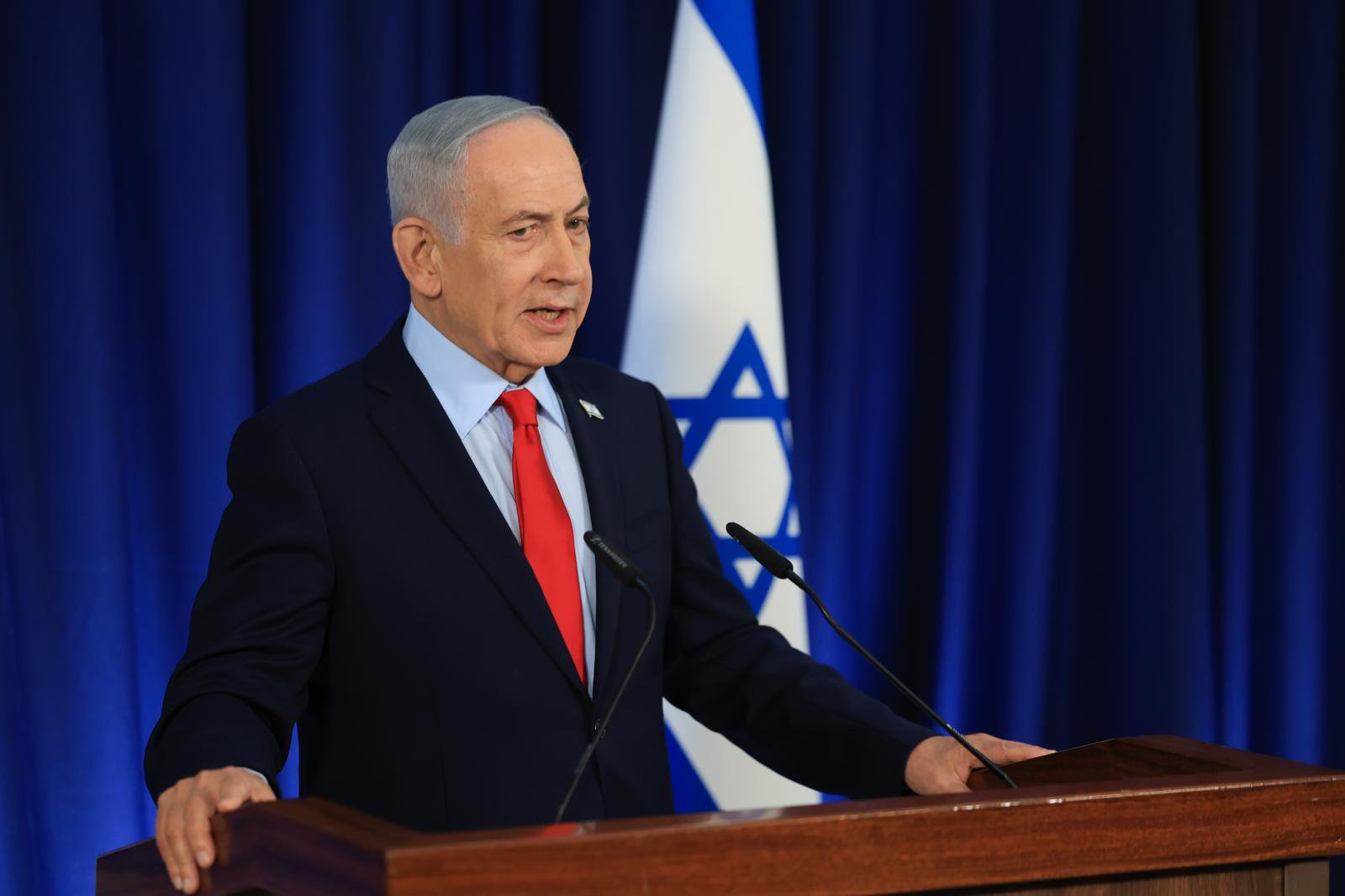
Israeli Foreign Minister Gidon Saar declared on social media, "We have no ambition for Lebanese territory. However, we will not withdraw from the security zone and expose our citizens to Hezbollah's attacks and potential infiltration threats." Prime Minister Benjamin Netanyahu echoed this sentiment, asserting Israel's determination to maintain a security buffer zone.
Israel's firm stance appears to stem from dissatisfaction with the recent US-Iran agreement concerning the Lebanon front. The Israeli government has strongly opposed the agreement, which includes establishing a new conflict-prevention mechanism, arguing that it could restrict Israel's military operations against Hezbollah and potentially enhance Iran's influence in the region.
We have no ambition for Lebanese territory. However, we will not withdraw from the security zone and expose our citizens to Hezbollah's attacks and potential infiltration threats.
The conflict, which escalated after Hezbollah launched rockets towards Israel in early March, has seen intense Israeli airstrikes and ground operations. This has resulted in significant destruction, particularly in Hezbollah strongholds near the border, such as Bint Jbeil, Marjayoun, and Nabatieh. Reports indicate that 11,095 buildings were completely destroyed, with thousands more partially or lightly damaged.
While some residents are returning to assess the damage to their properties, Lebanese authorities are advising against immediate returns to villages close to the border. The United Nations Development Programme (UNDP) and Lebanon's National Council for Scientific Research estimate the direct property damage alone at approximately $1.38 billion (about 2 trillion won). However, the actual scale of destruction, including underground facilities and critical infrastructure like roads and power lines, is likely much higher, as these were not included in the assessment.
We will act decisively to maintain the security zone in southern Lebanon.
DistantNews Editorial
Originally published by Hankyoreh in Korean. Translated, summarized, and contextualized by our editorial team with added local perspective. Read our editorial standards.
More Stories
From Our Blog

What Gets Lost (and Found) When News Is Translated

The Critical Role of Diaspora Media in Global News

What Travellers Should Know About Countries with Restricted Press

A Digital Nomad's Guide to Following Local News

How the Same Story Looks Different in Different Countries
