


Israel rejects US-led 15-point Gaza peace plan, says Netanyahu
Summarized and contextualized by DistantNews.
At a glance
News
Sources not specified
Context piece
- Israel rejected a 15-point US-backed peace plan for Gaza, citing a need for Hamas's complete disarmament.
- Prime Minister Benjamin Netanyahu publicly broke with President Donald Trump, emphasizing Israel's security needs over US pressure.
- The rejection complicates US efforts to broker regional peace, particularly with upcoming elections in both countries.
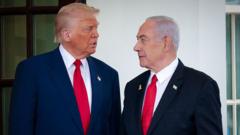
Israeli Prime Minister Benjamin Netanyahu has publicly rejected a 15-point peace plan for Gaza backed by the United States, marking a rare public disagreement with President Donald Trump.
Netanyahu stated on Sunday that Israel "does not accept the 15-point document" and that the Israeli Defense Forces "will not carry out any withdrawal until Hamas is disarmed." He stressed the need for "genuine disarmament, not fictitious disarmament," and indicated ongoing discussions with the Americans on the issue.
The US-backed plan, proposed by Trump's administration, reportedly mandated Hamas disarmament in exchange for a full Israeli military withdrawal from Gaza and the eventual transfer of power to an independent Palestinian National Committee. Netanyahu, however, insisted on a complete disarmament first before implementing the deal.
Israel does not accept the 15-point document. The IDF will not carry out any withdrawal until Hamas is disarmed. And when I say the disarming of Hamas, it means heavy weaponry, lighter weaponry, all weaponry. And we are talking about genuine disarmament, not fictitious disarmament. Right now, we are talking with the Americans about this issue.
This rejection comes as both Netanyahu and Trump face challenging elections. Netanyahu, under pressure from hardliners within his government, appears willing to publicly test his relationship with Trump to bolster his image as a strong defender of Israel domestically. He asserted, "Unlike all those who lecture us, we do what needs to be done for Israel's security, and we can and know how to stand our ground, even against our best friends when necessary."
The move is a setback for Trump's aspirations to be seen as a peace broker in the region. With midterm elections approaching in October, the White House is keen on negotiating peace in Iran to stabilize oil prices. However, the interconnected conflicts in the Middle East, including those in Gaza and Lebanon, present significant challenges to these diplomatic efforts.
Unlike all those who lecture us, we do what needs to be done for Israel's security, and we can and know how to stand our ground, even against our best friends when necessary.
DistantNews Editorial
Originally published by The Guardian. Summarized and contextualized by our editorial team with added local perspective. Read our editorial standards.
More Stories


From Our Blog

What Gets Lost (and Found) When News Is Translated

The Critical Role of Diaspora Media in Global News

What Travellers Should Know About Countries with Restricted Press

A Digital Nomad's Guide to Following Local News

How the Same Story Looks Different in Different Countries
