


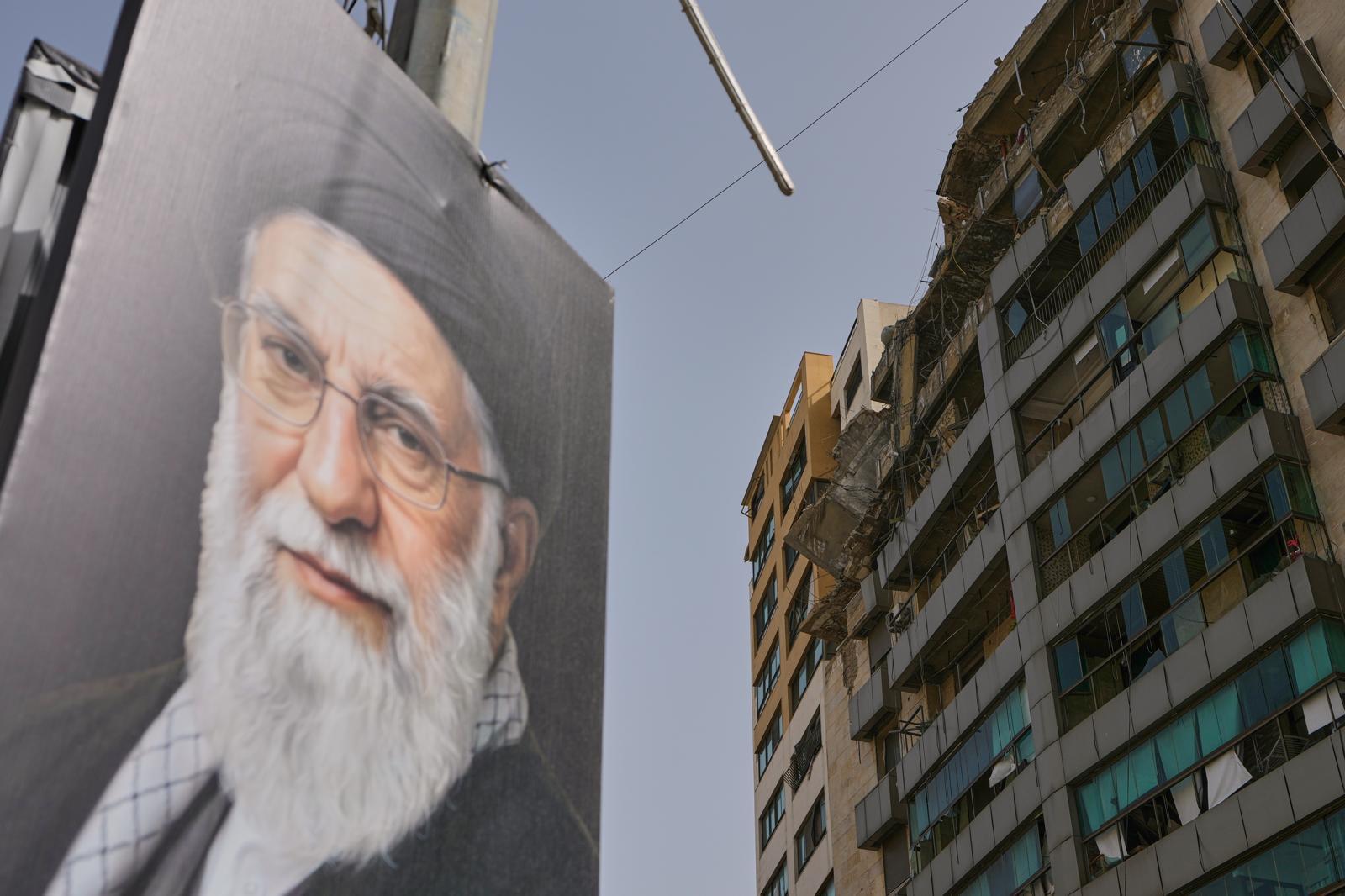
Israel resumes Lebanon bombing, killing 16 amid ongoing clashes
Translated from Korean, summarized and contextualized by DistantNews.
At a glance
News
Named sources
Ongoing story
- Israeli forces resumed bombing Lebanon on June 9, killing 16 people across the country.
- The ongoing conflict has effectively nullified a recent ceasefire agreement, with border areas experiencing intense clashes.
- Since March 2, Israeli attacks have resulted in 3,666 deaths and 11,321 injuries in Lebanon, disrupting transportation and daily life.
Israeli forces renewed their bombing of Lebanon on June 9, with attacks reported across the country resulting in the deaths of at least 16 people, according to Lebanese sources. The intensified strikes have effectively nullified a recent ceasefire agreement, leading to a precarious state of engagement along the border and nationwide.
The recent offensive has heavily targeted residential areas in the southern city of Tyre, where eight people were killed and 32 injured on June 9 alone, as reported by Lebanon's state news agency NNA, citing local rescue workers. Separate drone attacks in the Nabatieh region claimed six lives, while a dawn airstrike in Kfar Rammam killed four. Two Syrian nationals also died in an airstrike on a residential area between Ansarieh and Adloun. Two civil defense members were injured while responding to a vehicle attack in Sharkiya.
The fighting will only end when Israeli forces withdraw from occupied territories, allowing Lebanon to regain its dignity and stabilize the nation.
Since March 2, Israeli military actions have led to a cumulative total of 3,666 deaths and 11,321 injuries in Lebanon, according to the Lebanese Ministry of Public Health's emergency operations center. These attacks have continued despite a trilateral ceasefire agreement reached in Washington on June 3 involving Lebanon, Israel, and the United States. June 8 saw the most intense missile exchanges since the Iran-Israel ceasefire, escalating the damage.
The map of accessible areas changes daily. All roads that were once main arteries are now too dangerous for people to travel.
Iran's Khatam al-Anbiya Central Headquarters warned Israel of "much harsher and more devastating attacks" if malicious actions continue in Lebanon and other regions. Hezbollah also engaged in overnight rocket attacks to thwart an Israeli armored advance. Lebanese President Joseph Aoun stated on June 9 that the fighting would only end when Israeli forces withdraw from occupied territories, allowing Lebanon to regain its dignity and stabilize the nation.
The conflict has severely impacted southern Lebanon, disrupting logistics, civilian movement, and security. Roads, including key routes to Beirut, are heavily damaged and difficult to use. Taxi driver Adel Tarraf noted that all traffic has become extremely dangerous, with civilian vehicles nearly disappearing from major roads. Marjayoun resident Jalal Rahal described how the map of accessible areas changes daily, with former main roads becoming too perilous. Security forces reported a significant population decrease in many border cities and villages due to continuous bombing and indiscriminate attacks on civilians. Military movement is restricted to strategic roads, and even non-combat areas face movement limitations, preventing displaced residents from returning home.
The entire territory south of the Litani River is subject to continuous reconnaissance drones, artillery duels, and airstrikes from both sides. Even non-combat areas face movement restrictions, and displaced residents cannot even think of returning home.
DistantNews Editorial
Originally published by Dong-A Ilbo in Korean. Translated, summarized, and contextualized by our editorial team with added local perspective. Read our editorial standards.
More Stories

From Our Blog

What Gets Lost (and Found) When News Is Translated

The Critical Role of Diaspora Media in Global News

What Travellers Should Know About Countries with Restricted Press

A Digital Nomad's Guide to Following Local News

How the Same Story Looks Different in Different Countries
