

Israeli Media Claims Erdoğan Thwarted Plan to Arm Iranian Opposition
Translated from Turkish, summarized and contextualized by DistantNews.
At a glance
News
Named sources
Context piece
- Israeli media claims President Erdoğan thwarted a plan to arm Iranian opposition and Kurdish groups against Tehran.
- The alleged plan, reportedly leaked by White House officials to Turkey, aimed to destabilize Iran.
- Erdoğan reportedly convinced then-U.S. President Trump to cancel the operation.
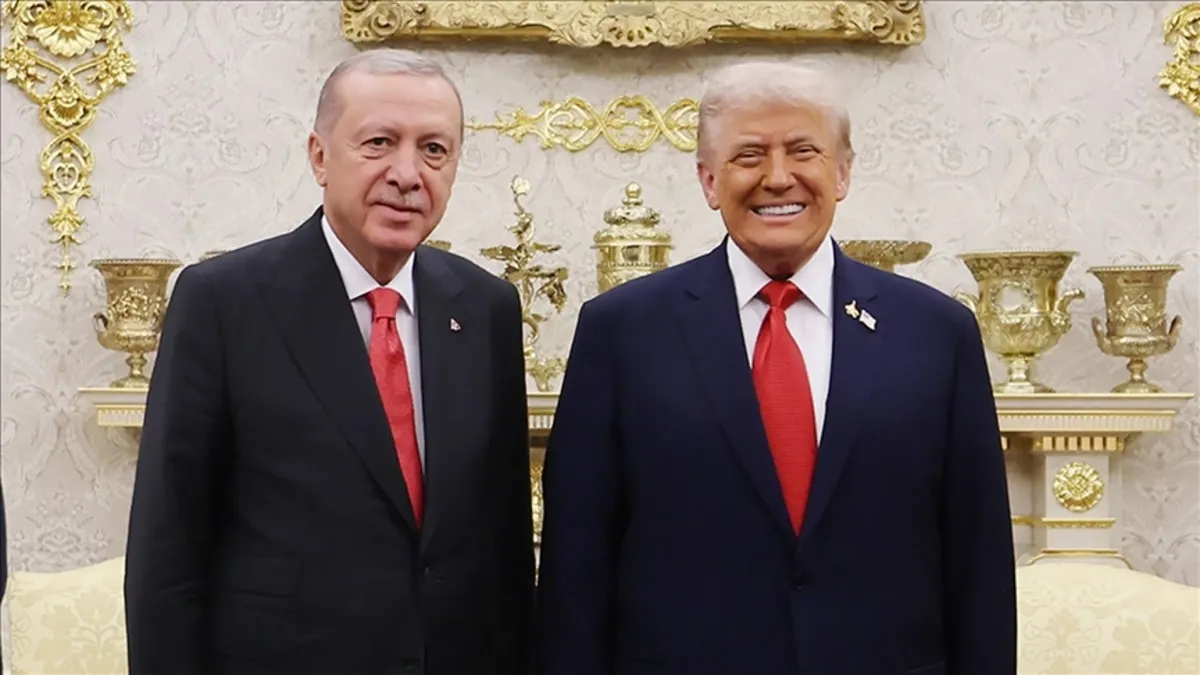
Israeli media outlets have reported that Turkish President Recep Tayyip Erdoğan played a crucial role in preventing a covert operation aimed at arming Iranian opposition and Iraqi Kurdish groups against the Tehran government. The Jerusalem Post, citing security sources, alleged that elements within the White House leaked details of this plan to Turkey.
The purported plan, according to the reports, was designed to avoid direct U.S. military intervention in Iran. Israel was expected to provide air support to the Kurdish groups and supply them with weapons seized from groups like Hamas in Gaza and Hezbollah in Lebanon. The objective was to incite attacks against the Iranian regime, potentially leading to its downfall.
However, the reports claim that President Erdoğan successfully persuaded then-U.S. President Donald Trump to abandon the initiative. This intervention by Turkey, according to the Israeli sources, effectively neutralized the plan. The reports also implicated U.S. Vice President JD Vance in the leak, an accusation his office has denied.
This revelation comes after former head of Israeli military intelligence, Tamir Hayman, spoke about alleged Israeli plans to destabilize Iran. Hayman had previously mentioned a scheme involving arming Iranian-Kurdish groups and installing a former Iranian president, Mahmud Ahmedinejad, into power. Hayman also corroborated the narrative that Erdoğan's influence on Trump led to the cancellation of such a plan.
İsrail, planın hayata geçirilmesi durumunda ABD askerlerinin İran'a girmek zorunda kalmayacağı için Washington tarafından kabul edileceğini düşünüyordu.
DistantNews Editorial
Originally published by Sabah in Turkish. Translated, summarized, and contextualized by our editorial team with added local perspective. Read our editorial standards.
More Stories


From Our Blog

What Gets Lost (and Found) When News Is Translated

The Critical Role of Diaspora Media in Global News

What Travellers Should Know About Countries with Restricted Press

A Digital Nomad's Guide to Following Local News

How the Same Story Looks Different in Different Countries
