


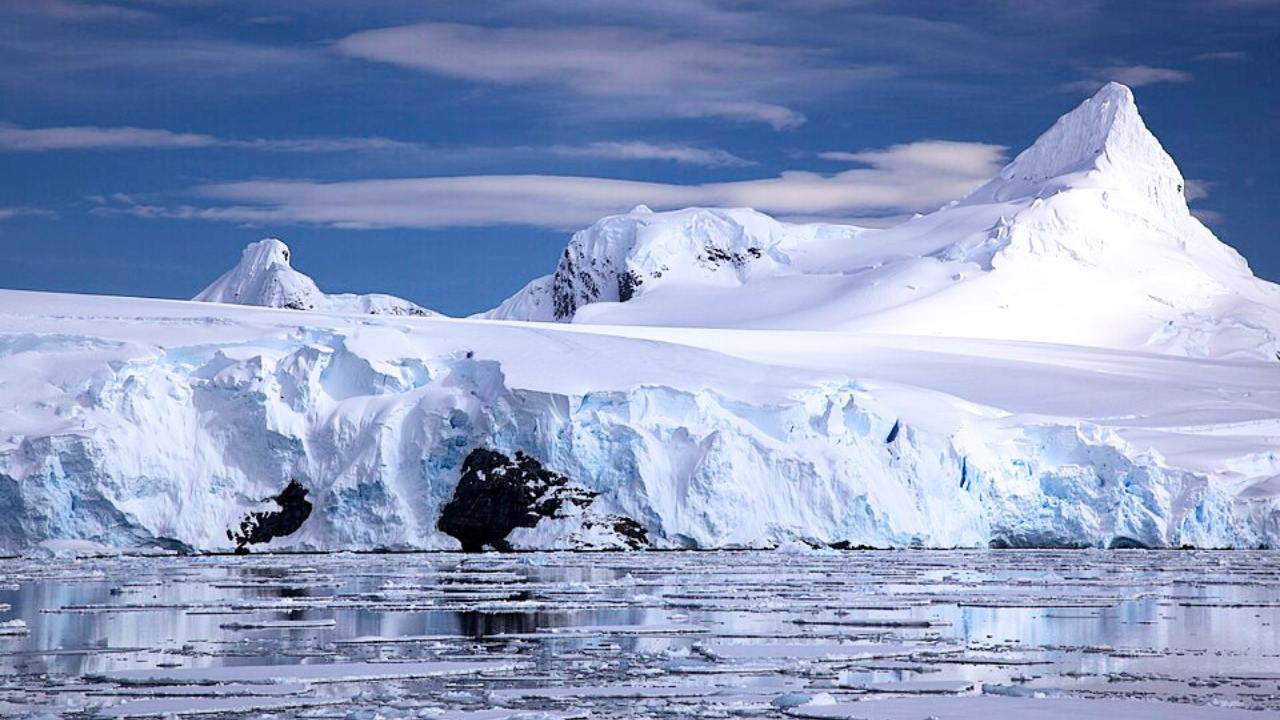
'It's depressing': A France-sized area of Antarctica's winter sea ice is missing as temperatures soar 20°C above average
Summarized and contextualized by DistantNews.
At a glance
News
Named sources
Context piece
- Scientists are alarmed by a significant loss of winter sea ice in the Bellingshausen Sea region of Antarctica.
- An area comparable to the size of France has failed to freeze, occurring during the Antarctic winter when ice typically expands.
- This unusual ice loss coincides with a severe heatwave, with temperatures soaring over 20°C above average in parts of Antarctica.
A vast expanse of Antarctica, equivalent in size to France, is conspicuously lacking winter sea ice, alarming scientists and intensifying concerns about the continent's future. Satellite data reveals that approximately 650,000 square kilometers of sea ice has failed to form in the Bellingshausen Sea off West Antarctica.
I'm concerned. It's depressing.
This dramatic ice deficit is occurring during the Antarctic winter, a period when sea ice normally expands significantly. While the Arctic reaches its maximum ice extent around March, Antarctica's sea ice grows from March through September. By June, the Bellingshausen Sea typically should be covered by a substantial layer of ice, but current satellite imagery shows the region is almost entirely ice-free.
The situation is particularly concerning as it coincides with an unprecedented winter heatwave across parts of Antarctica. Temperatures on the Antarctic Peninsula have surged more than 20°C above average, with readings at Argentina's Esperanza research station reaching 15.4°C on June 5 and 13.4°C on June 6.
It is remarkable that we are in June and there is no sea ice there.
Dr. Will Hobbs, an Antarctic sea ice expert, expressed deep concern, stating, "I'm concerned. It's depressing." He noted the remarkable absence of sea ice in June and suggested that this region might be entering a "new normal," where sea ice may no longer form. While other scientists urge caution and further research, this sentiment underscores the growing unease among polar researchers about potential long-term changes in West Antarctica, possibly linked to shifts in ocean circulation, warmer ocean temperatures, and human-driven climate change.
I don't think we will see sea ice there any more. It's done.
DistantNews Editorial
Originally published by Times of India. Summarized and contextualized by our editorial team with added local perspective. Read our editorial standards.
More Stories


From Our Blog

What Press Freedom Means for the News You Read

What Gets Lost (and Found) When News Is Translated

The Critical Role of Diaspora Media in Global News

What Travellers Should Know About Countries with Restricted Press

A Digital Nomad's Guide to Following Local News
