

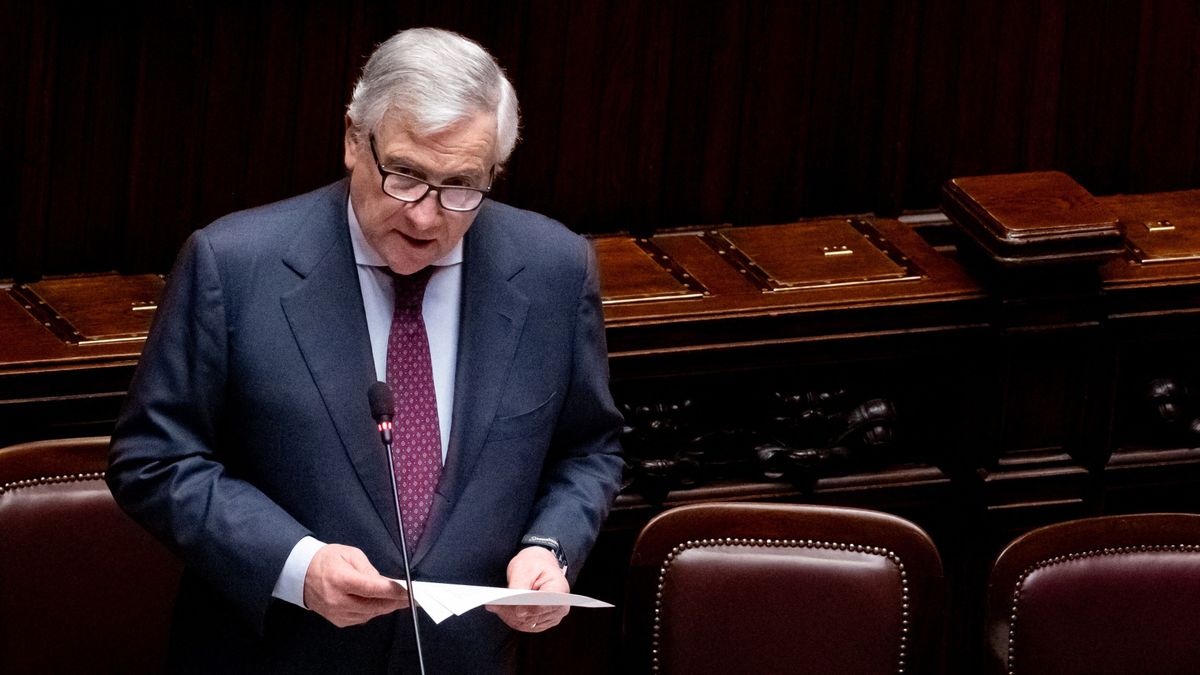
Italian Deputy PM Tajani criticizes Spain's migrant regularization decision
Translated from Hungarian, summarized and contextualized by DistantNews.
At a glance
News
Official statement
Context piece
- Italian Deputy Prime Minister Antonio Tajani criticized Spain's decision to regularize migrants.
- Tajani stated that individuals with legal status in Spain could move freely within the EU, including to Italy.
- This comment highlights ongoing tensions within the EU regarding migration policies and border control.
Italian Deputy Prime Minister Antonio Tajani has voiced criticism regarding Spain's recent decision to regularize migrants. The move by the Spanish government has drawn attention from other European Union member states, particularly concerning the implications for free movement within the bloc.
Tajani, speaking on the matter, emphasized the principle of free movement that governs the European Union. He pointed out that individuals who obtain legal status in Spain are entitled to relocate to other EU countries, including Italy. This statement underscores concerns within Italy about the potential secondary movements of migrants within the EU.
The Italian government has consistently advocated for stricter border controls and a more coordinated EU approach to managing migration flows. Tajani's remarks reflect a broader debate among member states about how to handle asylum applications and the integration of migrants, as well as the responsibilities each nation bears.
Spain's regularization policy aims to bring a portion of the undocumented migrant population into the formal economy and legal framework. However, Tajani's comments suggest that such national policies can have significant cross-border implications, potentially increasing pressure on neighboring countries and highlighting the complexities of managing migration within an open-border system like the Schengen Area.
There is free movement within the EU, and people who have legal status in Spain can move to Italy.
DistantNews Editorial
Originally published by Magyar Nemzet in Hungarian. Translated, summarized, and contextualized by our editorial team with added local perspective. Read our editorial standards.
More Stories

From Our Blog

Countries Without a Free Press: What You Need to Know

What Press Freedom Means for the News You Read

What Gets Lost (and Found) When News Is Translated

The Critical Role of Diaspora Media in Global News

What Travellers Should Know About Countries with Restricted Press
