

İYİ Party's 'Framework Law' Motion Rejected by AKP and MHP Votes
Translated from Turkish, summarized and contextualized by DistantNews.
At a glance
News
Sources not specified
Context piece
- Turkey's parliament rejected an opposition proposal to investigate the "solution process" period and related legal responsibilities.
- The proposal aimed to examine the reasons behind delays in intervening in trench and barricade incidents and identify responsible parties for the deaths of martyrs.
- Opposition lawmakers criticized a legal provision granting immunity to public officials involved in the process, arguing it shields perpetrators.
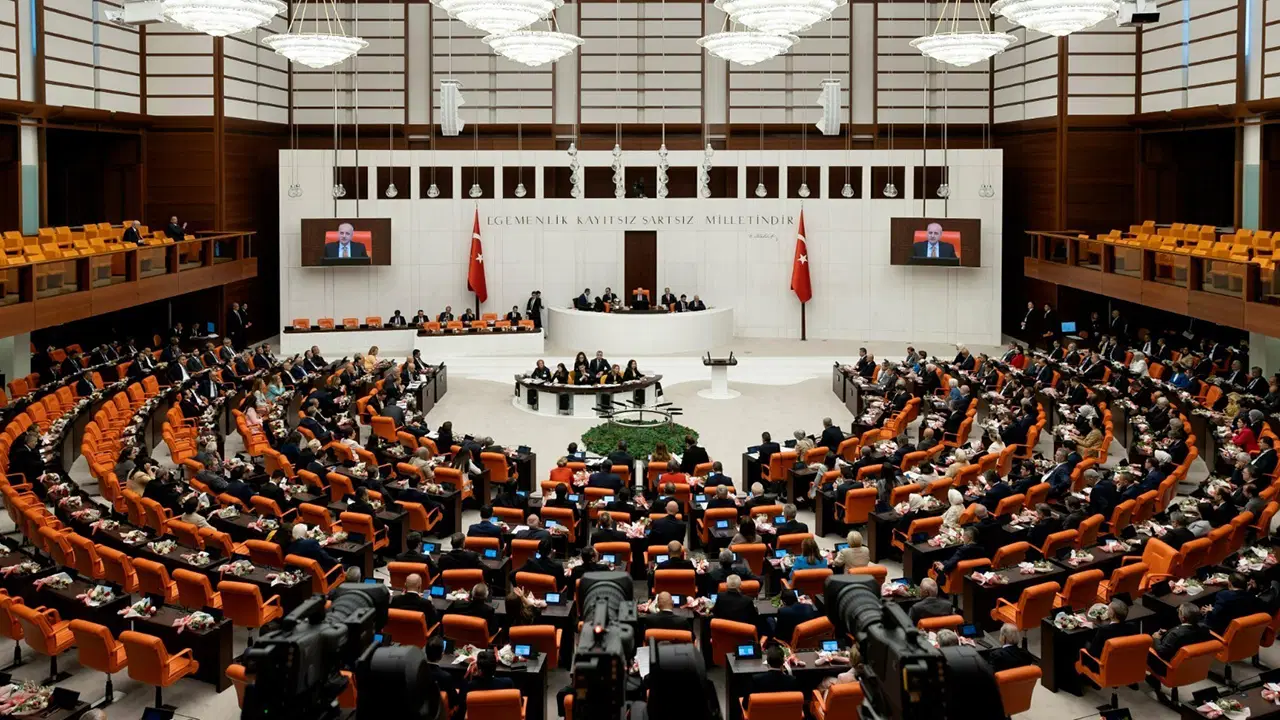
The Turkish Parliament's General Assembly rejected a proposal by the İYİ Party to investigate the "solution process" period, a controversial era of peace talks with Kurdish militants. The proposal sought to examine the reasons for delayed interventions during incidents involving trenches and barricades, identify political and administrative responsibilities, and determine the number of martyrs from that period.
Great Turkish nation, with this law, terrorists who have been trying to divide the Republic of Turkey for forty years, who have pointed their guns at the citizens of this country regardless of whether they are Turkish or Kurdish, and the leaders of terrorist organizations will surrender their weapons. How do you know how many weapons they have in their hands that you will present a report that the surrendered weapons correspond to those weapons?
İYİ Party Group Deputy Chairman Uğur Poyraz argued that the proposed "Framework Law" would allow terrorists and their leaders to surrender weapons based on their own declarations, without concrete proof of the number of arms surrendered. He expressed concern that terrorists descending from the mountains would be released into society under supervised release, with legal proceedings based solely on their statements. Poyraz questioned the effectiveness of such measures, stating that individuals who had faced military and police forces would not be deterred by supervised release.
Poyraz also highlighted legal loopholes in the proposal, particularly concerning the provision that public officials would not bear administrative, legal, or criminal responsibility for their actions within the scope of the law's objectives. He drew parallels to previous "openings" and commission reports, suggesting a pattern of officials evading accountability while the nation's soldiers, police, and citizens bear the consequences. "Who is responsible? The implementer is not responsible, nor are the lawmakers," Poyraz stated, criticizing the legal technique and vision behind the proposed legislation.
What are you scaring them with? Brother, this man has not been afraid of soldiers, police, weapons, or bullets, he has opposed them, joined the organization in the mountains, joined the terrorist organization. What is it, you are going to reduce his sentence? The sentence of a detained convict is reduced. There is no arrest or investigation against the one coming from the mountain, you are bound by their own statement. You will release them into society.
The ruling AK Party and its ally, the Nationalist Movement Party (MHP), voted against the proposal, effectively blocking the investigation. The İYİ Party's motion aimed to scrutinize the legal framework and its implications, particularly the "irresponsibility" clause within Article 4 of Law No. 6551, enacted during the 2013-2015 "solution process." The debate underscored the deep divisions in Turkish politics regarding the handling of the Kurdish conflict and the legacy of past peace initiatives.
'Persons performing duties within the scope of the purposes and activities of this law shall not bear legal, administrative, and criminal responsibility for these duties.' Since when do we remember this? We remember it from the first opening. Then when do we remember? We remember it while this Commission report is being prepared. Every time hands are washed and they get away with it, every time hands are washed and they get away with it, it is the soldier, the police, the children of this country who suffer. Who is responsible? The implementer is not responsible, nor are the lawmakers.
DistantNews Editorial
Originally published by Cumhuriyet in Turkish. Translated, summarized, and contextualized by our editorial team with added local perspective. Read our editorial standards.
More Stories


From Our Blog

What Gets Lost (and Found) When News Is Translated

The Critical Role of Diaspora Media in Global News

What Travellers Should Know About Countries with Restricted Press

A Digital Nomad's Guide to Following Local News

How the Same Story Looks Different in Different Countries
