


Jakarta's KJP subsidy program faces backlash over 'desil' welfare ranking
Translated from Indonesian, summarized and contextualized by DistantNews.
At a glance
News
Named sources
Context piece
- Jakarta's KJP education subsidy program is facing scrutiny over its eligibility criteria, specifically the use of a 'desil' welfare ranking system.
- Parents like Lia are struggling to understand why their children are suddenly disqualified from the KJP program, which has supported them for years, due to being categorized in desil 6.
- Critics argue that the desil system, which divides households into 10 welfare tiers, may not accurately reflect the financial realities of families and should be re-evaluated for the KJP program.
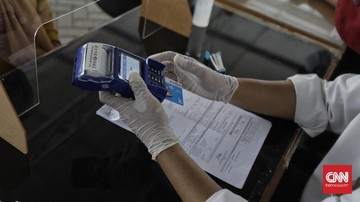
Lia, a mother in South Jakarta, was shocked to learn her child was no longer eligible for the Kartu Jakarta Pintar (KJP) education subsidy. The program, a key initiative by the Jakarta provincial government, aims to provide financial aid to students from low-income families to ensure they complete their education. This year, it supports approximately 707,520 students.
For years, the KJP had been a consistent support for Lia's child, who is now nearing the end of junior high school. The reason for disqualification, she was told, was that her family was categorized in "desil 6" – a welfare ranking that made them ineligible. Desil is a system used by the government to rank household welfare based on national socioeconomic data, dividing the entire population into 10 tiers. A lower desil number indicates lower welfare.
The KJP was for my child's schooling, but it was rejected because they couldn't continue due to desil 6.
"The KJP was for my child's schooling, but it was rejected because they couldn't continue due to desil 6," Lia told CNNIndonesia.com. She finds the decision hard to comprehend, as her family's circumstances haven't significantly changed. They still rent a home in South Jakarta, have three school-aged children, and rely solely on her husband's income.
I've tried, I've gone back and forth to school, to the sub-district. They told me to apply for a desil reduction, but it takes three to six months, even up to a year.
Lia was advised to apply for a desil reduction through the Cek Bansos application, but the data update process is lengthy, potentially taking three to six months or even a year. During this waiting period, her child risks losing access to educational assistance that covers school needs. "I've tried, I've gone back and forth to school, to the sub-district. They told me to apply for a desil reduction, but it takes three to six months, even up to a year," she said.
She hopes the government will re-evaluate the use of the desil system for KJP eligibility, noting it wasn't a requirement in previous years. "I hope they remove the desil again because it wasn't used before," Lia stated. Nurlela, another resident in North Jakarta, also expressed confusion and distress upon learning she was classified in desil 6, stating her living conditions are far from those of a middle-class family.
I hope they remove the desil again because it wasn't used before.
DistantNews Editorial
Originally published by CNN Indonesia in Indonesian. Translated, summarized, and contextualized by our editorial team with added local perspective. Read our editorial standards.
More Stories


From Our Blog

What Gets Lost (and Found) When News Is Translated

The Critical Role of Diaspora Media in Global News

What Travellers Should Know About Countries with Restricted Press

A Digital Nomad's Guide to Following Local News

How the Same Story Looks Different in Different Countries
