


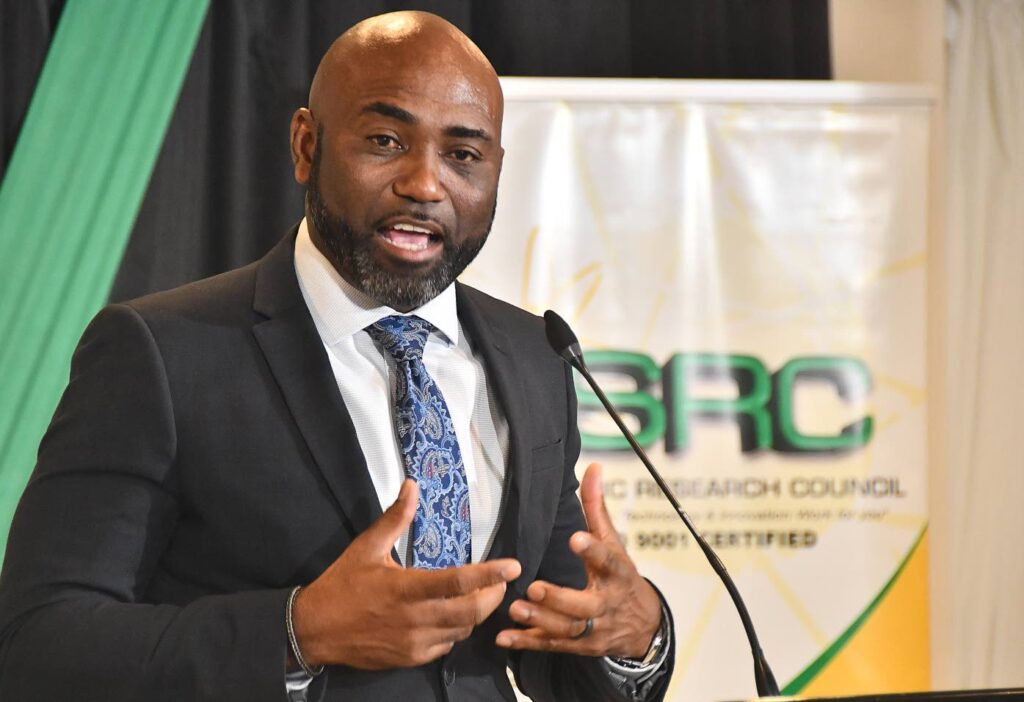
Jamaica advances nuclear energy plans, minister says
Translated from English, summarized and contextualized by DistantNews.
At a glance
News
Named sources
New plan
- Jamaica is exploring nuclear energy as a way to diversify its energy mix and reduce reliance on imported fossil fuels.
- The country has signed a Memorandum of Understanding with Canadian nuclear institutions to build knowledge and readiness for nuclear technology.
- This move aims to enhance energy security, particularly after disruptions from hurricanes and global oil price spikes.
Jamaica is actively pursuing nuclear energy as a strategic move to bolster its energy security and diversify away from imported fossil fuels. Minister of Science, Technology and Special Projects, Dr. Andrew Wheatley, highlighted the vulnerability of the nation's energy system, exposed by Hurricane Melissa and volatile global oil prices.
Jamaica’s energy future demands that we think beyond the conventional. Hurricane Melissa did not simply damage our electricity infrastructure, it exposed the structural vulnerability of an energy system overwhelmingly dependent on imported fossil fuels. Every disruption costs us. Every price spike costs us. Every hurricane season costs us.
"Every disruption costs us. Every price spike costs us. Every hurricane season costs us," Wheatley stated in the House of Representatives, emphasizing the need for a new energy direction. He clarified that Jamaica is not immediately building a nuclear power plant but is focused on developing the necessary knowledge base, institutional readiness, and international partnerships.
The government has taken a significant step by signing a Memorandum of Understanding with Canadian Nuclear Laboratories and Atomic Energy of Canada Limited. This agreement, executed in October 2024, includes collaboration on Small Modular Reactors (SMRs), nuclear medicine, and industrial applications. This partnership provides Jamaica with a formal link to a leading international nuclear capability.
The path to genuine energy sovereignty runs through diversification, and Jamaica is now taking seriously an option that small island developing states have historically deferred: nuclear energy.
Jamaica already possesses a foundation for this work through the International Centre for Environmental and Nuclear Sciences (ICENS) at the University of the West Indies. ICENS, which operates a research reactor, maintains reporting functions with the International Atomic Energy Agency (IAEA) and provides radiation protection services, serving as the country's established connection to the global nuclear community. The Nuclear Energy Working Committee has been reconstituted to advance these efforts.
What Jamaica is doing is something equally important: we are building the knowledge base, the institutional readiness, and the international partnerships that any responsible nation must have before that decision can ever be properly made. We are doing the work deliberately, transparently with full scientific rigour.
DistantNews Editorial
Originally published by Jamaica Observer in English. Translated, summarized, and contextualized by our editorial team with added local perspective. Read our editorial standards.
More Stories


From Our Blog

What Gets Lost (and Found) When News Is Translated

The Critical Role of Diaspora Media in Global News

What Travellers Should Know About Countries with Restricted Press

A Digital Nomad's Guide to Following Local News

How the Same Story Looks Different in Different Countries
