

Jamaica calls for reforms to multilateral system to recognise SIDS vulnerabilities
Summarized and contextualized by DistantNews.
At a glance
News
Named sources
Context piece
- Jamaica is urging reforms to the global multilateral system to better address the vulnerabilities of Small Island Developing States (SIDS).
- Foreign Minister Kamina Johnson Smith called for recognizing SIDS' special circumstances for equitable access to finance.
- Jamaica advocates for progress measures beyond GDP and emphasizes strong institutions and policy coherence for sustainable development.
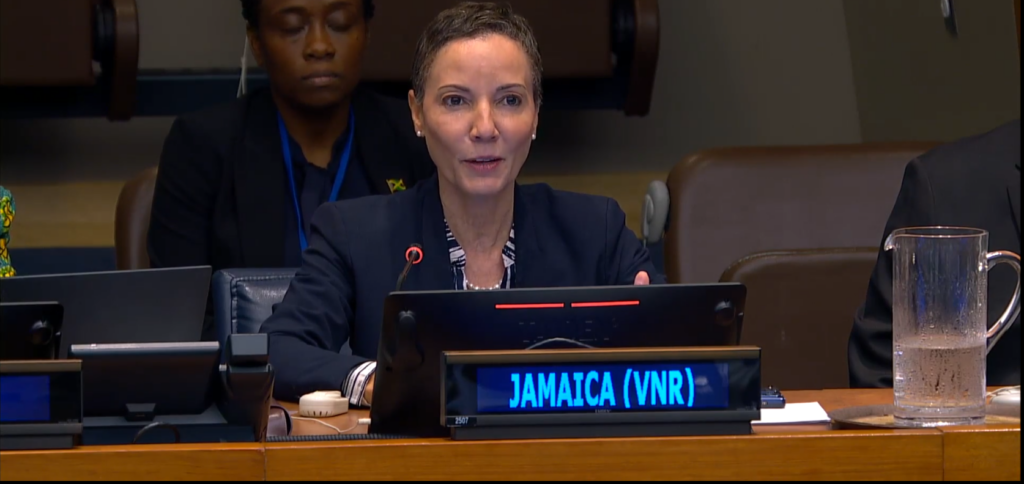
Jamaica is calling for significant reforms to the international multilateral system, advocating for a framework that better recognizes and addresses the unique vulnerabilities faced by Small Island Developing States (SIDS). This push was articulated by Minister of Foreign Affairs and Foreign Trade, Senator Kamina Johnson Smith, during her delivery of Jamaica's third Voluntary National Review (VNR) report at the United Nations High-Level Political Forum on Sustainable Development in New York.
International trade, although still considered a driver of growth, is increasingly also a source of vulnerability. We remain exposed to exogenous shocks beyond our control. The multilateral system is, indeed, in need of reform. Systems and processes must recognise the special circumstances of SIDS to ensure real and measurable change in their development outcomes
Senator Johnson Smith highlighted that while international trade remains a growth driver, it increasingly exposes SIDS to external shocks beyond their control. She stressed the urgent need for systemic reforms, stating, "Systems and processes must recognize the special circumstances of SIDS to ensure real and measurable change in their development outcomes." Jamaica is advocating for the adoption of complementary measures of progress that extend beyond Gross Domestic Product (GDP) and incorporate multidimensional vulnerabilities to ensure equitable access to affordable and concessional financing.
Within this context, Jamaica calls for the use of complementary measures of progress that go beyond the GDP, including multidimensional vulnerabilities in order to secure equitable access to affordable and concessional finance
In its national efforts, Jamaica is pursuing economic resilience by increasing domestic budget funding through tax revenue, a strategy necessitated by declining development assistance and rising global interest rates. The Foreign Minister also underscored the critical need to accelerate progress towards the Sustainable Development Goals (SDGs) as the 2030 deadline approaches with the world significantly off track. Jamaica has identified human capital, energy, and infrastructure as key intervention points, utilizing analyses grounded in productive capacities and systems thinking.
In Jamaica, we have used successive analyses grounded in productive capacities, systems thinking, and other approaches to identify key points of intervention related to human capital, energy, and infrastructure, among others
Johnson Smith identified SDGs 3, 4, 9, and 11 as potential accelerators due to their multiplier effects on lagging goals. She emphasized that policy coherence and prioritization are fundamental for successful plan implementation. Furthermore, she stressed the importance of robust institutions and strategic investments in priority policy areas to bolster macroeconomic stability, climate resilience, and human capital development. Jamaica's long-term development vision extends beyond 2030, with strong international partnerships remaining crucial for its continued progress.
Policy coherence and prioritisation are foundational to successful plan implementation
DistantNews Editorial
Originally published by Jamaica Observer. Summarized and contextualized by our editorial team with added local perspective. Read our editorial standards.
More Stories

From Our Blog

What Gets Lost (and Found) When News Is Translated

The Critical Role of Diaspora Media in Global News

What Travellers Should Know About Countries with Restricted Press

A Digital Nomad's Guide to Following Local News

How the Same Story Looks Different in Different Countries
