



Jamaica Parliament to Review Flexible Work Amid Rising Fuel Prices
Translated from English, summarized and contextualized by DistantNews.
At a glance
News
Named sources
New plan
- Jamaica's Parliament will review flexible work options, including remote work, to address rising fuel prices and economic uncertainty.
- The review aims to enhance productivity, economic resilience, and quality of life for Jamaicans amidst global instability.
- The committee will consult with various stakeholders to develop practical recommendations for modern workplace arrangements.
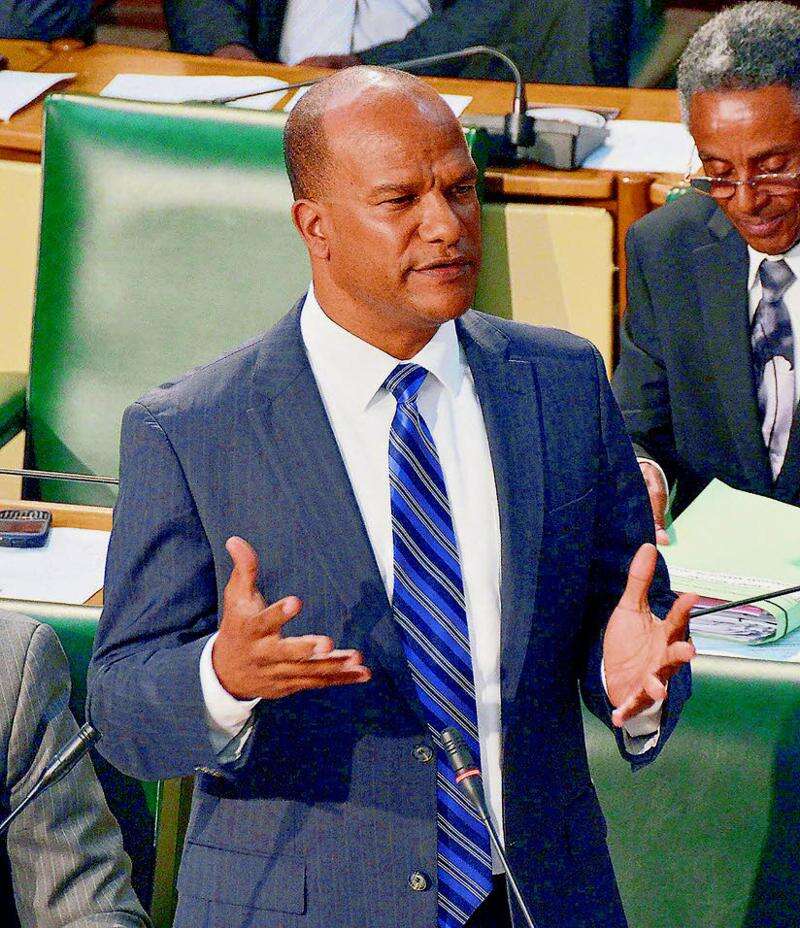
Jamaica's Parliament is set to examine flexible work arrangements, such as remote work and adjusted hours, as a strategy to mitigate the impact of escalating fuel prices and global economic volatility. Alando Terrelonge, chairman of Parliament’s Economy and Production Committee, announced the comprehensive review, emphasizing its role in boosting productivity and economic resilience.
Jamaica must remain responsive to the changing realities of the global economy. As fuel and transportation costs continue to affect households and businesses, it is important that we examine innovative and practical approaches that can support productivity while improving the everyday lives of our people.
The initiative comes as geopolitical tensions, including the US/Israel conflict with Iran, continue to drive up energy costs, pressuring businesses and households. Terrelonge highlighted that these global developments necessitate a re-evaluation of work structures worldwide to reduce costs and improve efficiency.
"Jamaica must remain responsive to the changing realities of the global economy," Terrelonge stated. He added that as fuel and transportation costs rise, it is crucial to explore innovative approaches that support productivity while enhancing citizens' daily lives. The committee plans an evidence-based discussion with public and private sector representatives, labor organizations, and academics.
The committee intends to engage stakeholders in a serious, evidence-based discussion on the opportunities and challenges associated with flexible work arrangements and their potential applicability within the Jamaican context.
The review will consider international models for flexible workplaces that have proven effective in improving performance and employee well-being. "This is ultimately about productivity and national competitiveness," Terrelonge noted. He stressed that if flexible arrangements can reduce commuting time, lower transportation expenses, and improve work-life balance while increasing output, the discussion is essential. Jamaica, he concluded, cannot afford to ignore technological advancements that could strengthen its economy and improve citizens' lives.
This is ultimately about productivity and national competitiveness. If there are ways to help workers spend less time in traffic, reduce transportation costs, improve work-life balance, and simultaneously increase efficiency and output, then it is a discussion worth having.
The Economy and Production Committee is scheduled to begin consultations soon, with findings and recommendations to be presented to Parliament afterward.
Jamaica cannot afford to ignore technological advancements and innovations that may strengthen our economy and improve the daily lives of our citizens.
DistantNews Editorial
Originally published by Jamaica Observer in English. Translated, summarized, and contextualized by our editorial team with added local perspective. Read our editorial standards.
More Stories


From Our Blog

What Gets Lost (and Found) When News Is Translated

The Critical Role of Diaspora Media in Global News

What Travellers Should Know About Countries with Restricted Press

A Digital Nomad's Guide to Following Local News

How the Same Story Looks Different in Different Countries
