


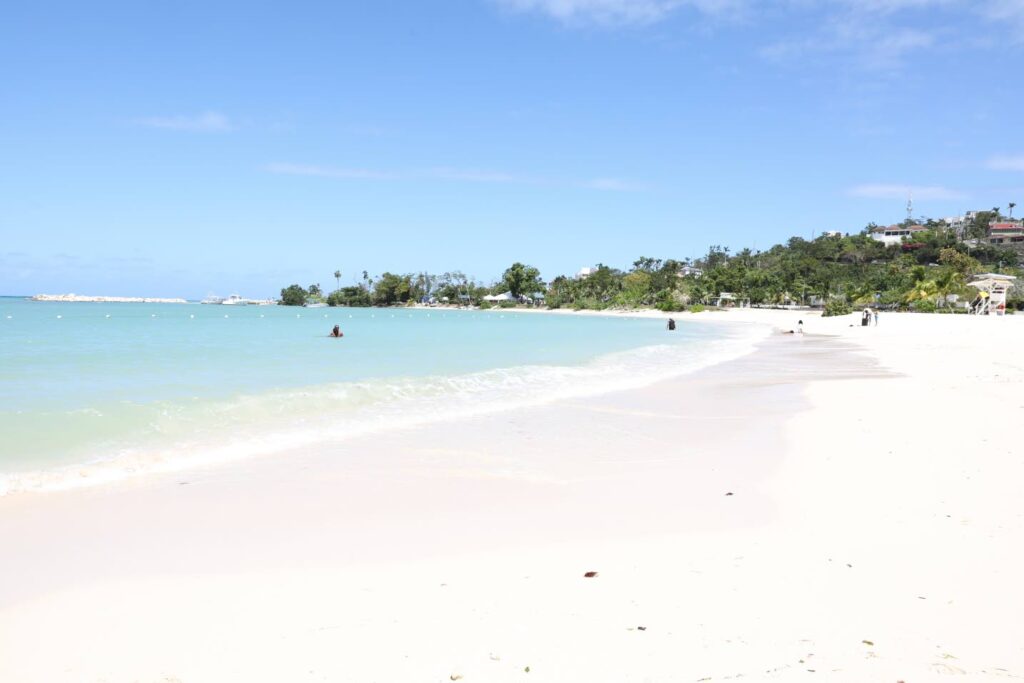
Jamaica's beaches should be public commons, environmental group urges
Translated from English, summarized and contextualized by DistantNews.
At a glance
News
Named sources
New plan
- Jamaica's Environment Trust (JET) urges legal recognition of beaches as public commons.
- JET critiques the government's Beach Access and Management Policy for not establishing access as a public right.
- The organization proposes strengthening the policy to ensure enforceable access, protect traditional beaches, and prevent barriers to entry.
The Jamaica Environment Trust (JET) is advocating for a fundamental shift in how Jamaica's beaches are legally defined, calling for them to be recognized as a public commons held in public trust. This push comes amid ongoing discussions about beach access and the government's recently issued Beach Access and Management Policy.
JET argues that the core issue transcends the mere availability of public beaches. Instead, it centers on whether access to these coastal areas should be considered an inherent public right, rather than a privilege contingent on land ownership, licensing, or governmental discretion. The environmental group reviewed the 2026 policy, acknowledging it as a significant step but asserting it falls short of resolving the fundamental problem.
As the debate continues, we should not lose sight of the fundamental issue by becoming caught up in debates over the figures of what percentage of beach is open to the public. The bigger question is whether our beaches are a public commons, or whether access depends on who owns the land or holds a licence.
According to JET, the policy's language frames beach access as something to be "provided" or "maintained," treating it as a management objective rather than an established right. While the policy suggests a "qualified right" of access to the foreshore, JET remains concerned that this right could still be influenced by private land ownership and licensing. The organization specifically highlights the policy's definition of a "public beach" as government-owned, which overlooks privately owned beaches traditionally used by the public for recreation and fishing.
Dr. Theresa Rodriguez-Moodie, JET's CEO, emphasized that the debate should focus on the principle of public commons rather than getting lost in statistics about open beach percentages. She stressed the need for a legal framework that safeguards traditional public and fishing access, ensuring people can reach the shore regardless of land ownership. JET has outlined four key areas for policy improvement: establishing a clear and enforceable right of access, protecting traditional use beaches on private land, preventing barriers like fees or structures, and enhancing environmental protection through better monitoring and institutional arrangements.
A beach does not cease to be important to the public simply because the underlying land is privately owned. We need a legal framework that protects longstanding public and fishing access and ensures that people can actually reach the shore.
DistantNews Editorial
Originally published by Jamaica Observer in English. Translated, summarized, and contextualized by our editorial team with added local perspective. Read our editorial standards.
More Stories


From Our Blog

What Gets Lost (and Found) When News Is Translated

The Critical Role of Diaspora Media in Global News

What Travellers Should Know About Countries with Restricted Press

A Digital Nomad's Guide to Following Local News

How the Same Story Looks Different in Different Countries
