


Jamaica's Foreign Reserves Provide Crucial Economic Buffer
Translated from English, summarized and contextualized by DistantNews.
At a glance
News
Sources not specified
Context piece
- Jamaica's foreign reserves stood at US$6.48 billion at the end of May 2026, providing a crucial buffer against economic shocks.
- These reserves help the Bank of Jamaica manage the foreign exchange market, meet import demand, and stabilize the Jamaican dollar, especially amid rising inflation and post-hurricane recovery.
- The reserves cover over 40 weeks of goods imports, significantly exceeding the traditional benchmark of 12 weeks, indicating a strong financial cushion for the island nation.
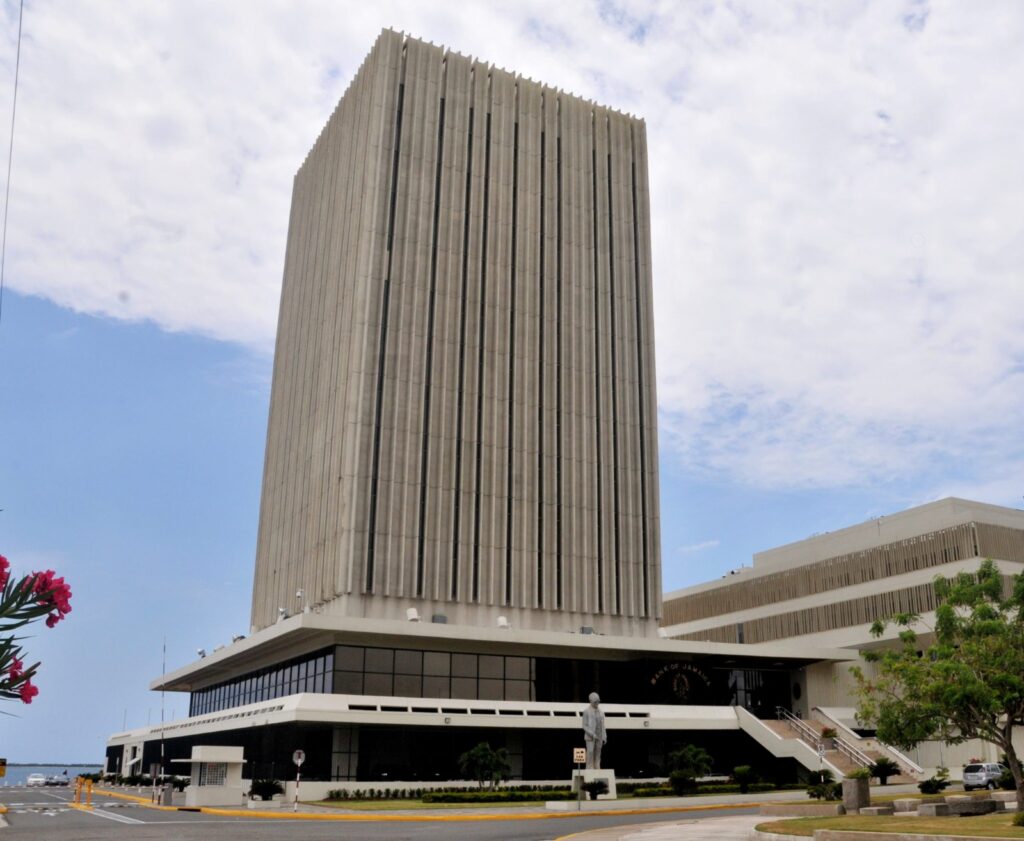
Jamaica's foreign reserves reached US$6.48 billion by the end of May 2026, acting as a vital financial cushion that helps manage economic pressures, including oil price shocks and import demand. This substantial reserve provides the Bank of Jamaica (BOJ) with the necessary room to navigate the foreign exchange market and prevent drastic fluctuations in the Jamaican dollar.
The island nation, heavily reliant on imports for essential goods like oil, food, and medicine, faces constant pressure on its foreign currency. While tourism, remittances, exports, and investments bring foreign currency into the country, these inflows do not always align with the timing or volume of payments required for imports and foreign debt. The foreign reserves serve as the critical buffer, allowing the BOJ to supply US dollars when demand surges or when inflows slow down, thereby mitigating the risk of a disorderly slide in the exchange rate.
At the end of May 2026, Jamaica's gross foreign assets totaled US$6.493 billion. This comprised US$3.327 billion in currency and deposits, and US$2.951 billion in securities. Additionally, the country held US$177.61 million in Special Drawing Rights from the IMF and US$37.44 million in its IMF reserve position. After accounting for foreign liabilities of US$9.69 million, the net international reserves stood at US$6.484 billion, offering a clear picture of usable assets.
Central banks assess reserve adequacy not just by the total amount but by their capacity to cover potential risks. Jamaica's reserves currently cover approximately 40.35 weeks of goods imports and 26.62 weeks of goods and services imports. This coverage significantly surpasses the widely accepted benchmark of about 12 weeks, indicating a robust financial position that can withstand external economic pressures and support the stability of the Jamaican dollar.
DistantNews Editorial
Originally published by Jamaica Observer in English. Translated, summarized, and contextualized by our editorial team with added local perspective. Read our editorial standards.
More Stories



From Our Blog

What Gets Lost (and Found) When News Is Translated

The Critical Role of Diaspora Media in Global News

What Travellers Should Know About Countries with Restricted Press

A Digital Nomad's Guide to Following Local News

How the Same Story Looks Different in Different Countries
