

Jamaica's security agenda must go beyond crime, says police chief
Translated from English, summarized and contextualized by DistantNews.
At a glance
News
Sources not specified
New plan
- Senior Superintendent Stephanie Lindsay urged Jamaica to broaden its national security focus beyond crime to include energy, health, environmental, climate, and food security.
- Lindsay highlighted the devastation from Hurricane Melissa as a wake-up call, emphasizing the need for societal resilience against global security challenges.
- She called for an all-hands-on-deck approach involving government, private sector, NGOs, and citizens to transform people and infrastructure for crisis preparedness.
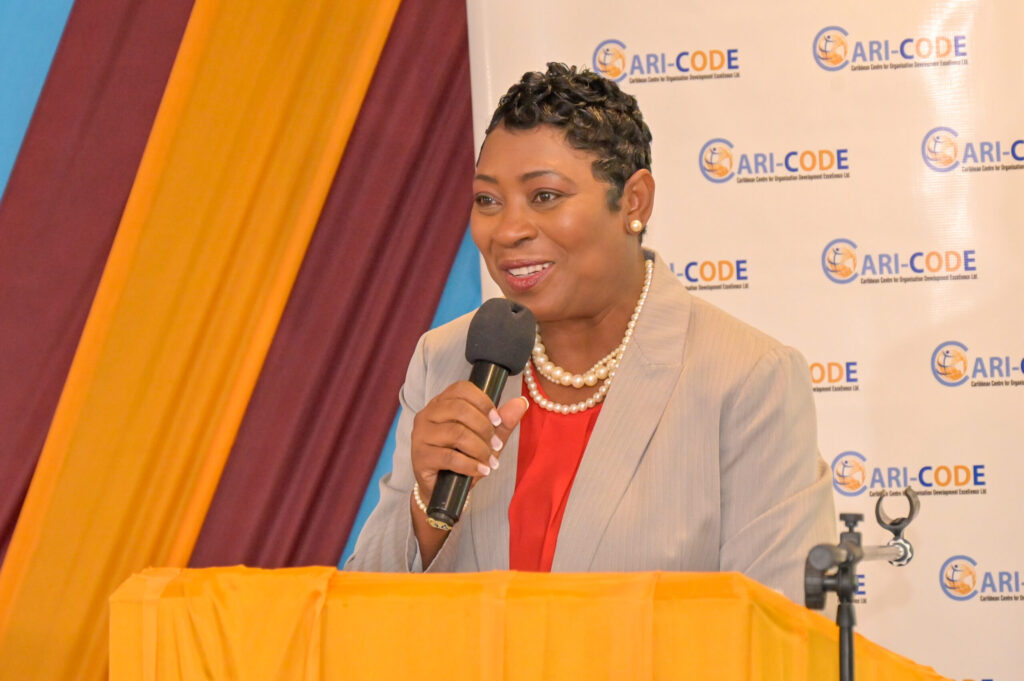
Jamaica's national security agenda must evolve beyond traditional policing and crime control to address a wider array of global threats, according to Senior Superintendent Stephanie Lindsay. Speaking at the CARI-CODE Organisation Development Transformation Conference, Lindsay described the impact of Hurricane Melissa as a critical moment that necessitates a fundamental shift in how Jamaica approaches its security.
The citizens of Jamaica must see national security [as more than] crime and violence. We must [widen] the lens and confront other dimensions of global security [challenges] that determine [our survival] as a nation.
"The citizens of Jamaica must see national security [as more than] crime and violence. We must [widen] the lens and confront other dimensions of global security [challenges] that determine [our survival] as a nation," Lindsay stated. She identified four key areas crucial for national survival: energy security, health security, environmental and climate security, and food and economic security. The senior officer stressed that energy stability is fundamental, directly impacting life-support systems in hospitals and homes during power outages.
Lindsay also pointed to the severe threats posed by rising sea levels to coastal infrastructure and the contamination of freshwater sources. The hurricane's aftermath, which saw empty supermarket shelves due to disrupted supply chains and destroyed relief warehouses, underscored the fragility of food and economic security. She argued that these systemic vulnerabilities exacerbate traditional crime cycles during social breakdowns.
So we have to think about how we can build a national security agenda that strengthens society to be robust enough to [remain] resilient, even in [times of] crisis.
To build a resilient society capable of withstanding crises, Lindsay advocated for a comprehensive, "all-hands-on-deck" strategy. This approach requires leveraging partnerships across the government, private sector, non-governmental organizations, and the citizenry. "When it comes to change and transformation… we have to start reshaping, putting away some of the old ways of thinking," she urged, emphasizing the need for a complete transformation of both people and infrastructure to ensure Jamaica's survival in an increasingly unpredictable world.
When it comes to change and transformation… we have to start reshaping, putting away some of the old ways of thinking.
DistantNews Editorial
Originally published by Jamaica Observer in English. Translated, summarized, and contextualized by our editorial team with added local perspective. Read our editorial standards.
More Stories
From Our Blog

What Gets Lost (and Found) When News Is Translated

The Critical Role of Diaspora Media in Global News

What Travellers Should Know About Countries with Restricted Press

A Digital Nomad's Guide to Following Local News

How the Same Story Looks Different in Different Countries
