


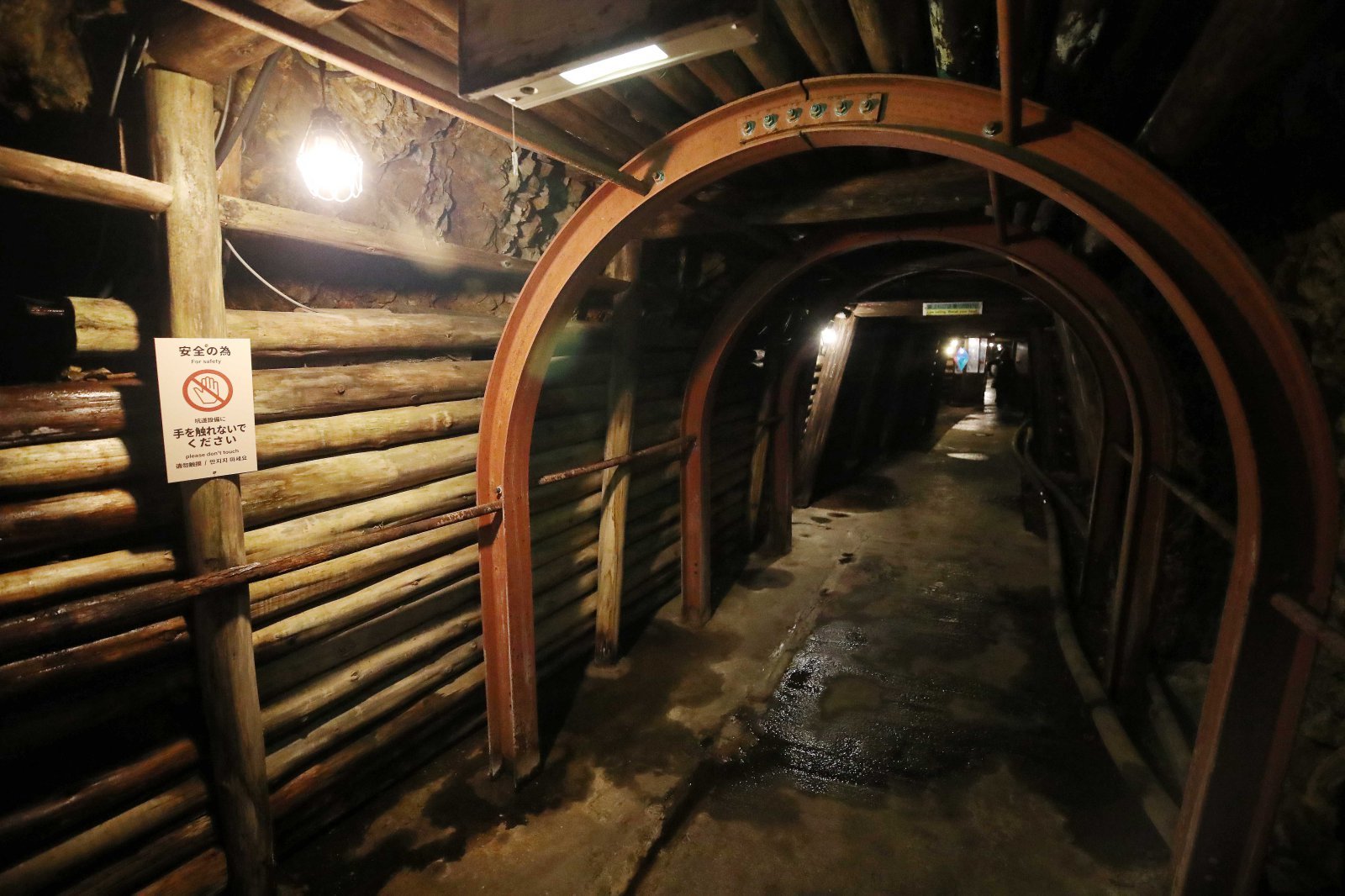
Japan again sidesteps forced labor history as Sado Mine UNESCO status is reviewed
Translated from Korean, summarized and contextualized by DistantNews.
At a glance
News
Sources not specified
Context piece
- Japan has not yet fulfilled its promise to record the full history of Korean forced labor at the Sado mine, two years after its UNESCO World Heritage inscription.
- Critics argue Japan is ignoring this history, despite calls for improved relations between South Korea and Japan.
- UNESCO will discuss the mine's preservation and Japan's follow-up actions at an upcoming committee meeting.
Japan has yet to fully implement its commitment to record the complete history of Korean forced labor at the Sado mine, two years after the site was inscribed as a UNESCO World Heritage site. This inaction has drawn criticism, with observers arguing that Japan is sidestepping this painful aspect of its history, even as both South Korea and Japan pursue improved bilateral relations.
The Sado mine's inscription was conditional on Japan's promise to acknowledge and document the wartime forced mobilization of Koreans. However, critics contend that Japan's approach has been superficial, merely a procedural step to gain UNESCO recognition without genuine historical reckoning. The upcoming 48th session of the UNESCO World Heritage Committee in Busan will review Japan's progress on this issue.
An advance draft decision from UNESCO indicates that the International Council on Monuments and Sites (ICOMOS) and the World Heritage Centre have reviewed Japan's conservation status report submitted in December. This report details Japan's conservation and management efforts. The ongoing debate highlights the persistent tension between efforts to foster future-oriented relations and the unresolved historical grievances that continue to impact regional dynamics.
DistantNews Editorial
Originally published by Dong-A Ilbo in Korean. Translated, summarized, and contextualized by our editorial team with added local perspective. Read our editorial standards.
More Stories


From Our Blog

What Gets Lost (and Found) When News Is Translated

The Critical Role of Diaspora Media in Global News

What Travellers Should Know About Countries with Restricted Press

A Digital Nomad's Guide to Following Local News

How the Same Story Looks Different in Different Countries
