

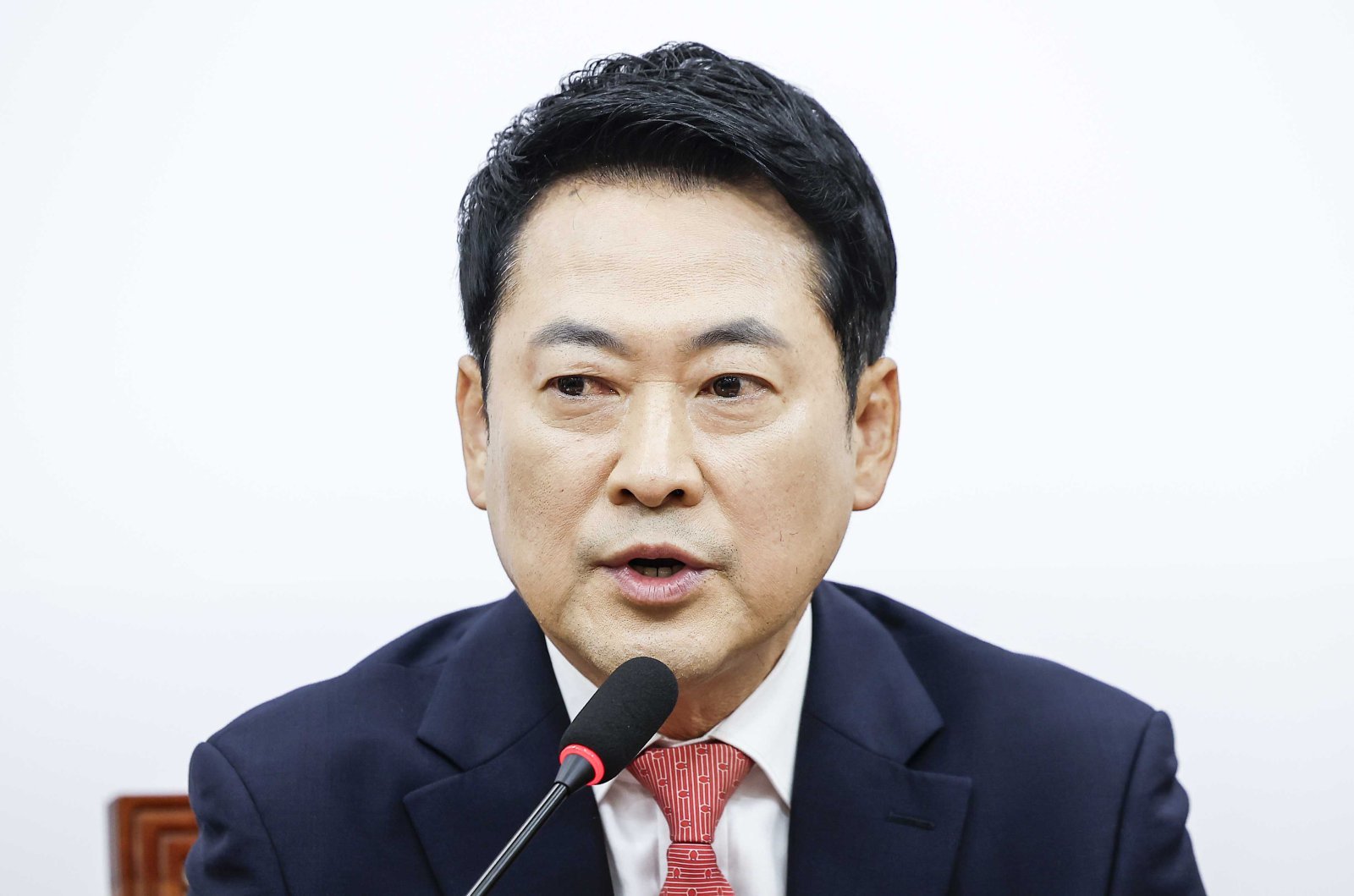

Japan and South Korea: An alliance of middle powers?
Translated from Korean, summarized and contextualized by DistantNews.
At a glance
Analysis
Named sources
Context piece
- US President Donald Trump's unpredictable foreign policy is pushing Japan and South Korea toward a closer alliance.
- Both nations, despite historical differences, share concerns about North Korea and China and have military ties to the US.
- Trump's demands for allies to pay more for defense and his sanctions are prompting middle powers to seek strategic autonomy through cooperation.
The long-held US desire for a tighter alliance between Japan and South Korea is facing an unexpected catalyst: Donald Trump's presidency. American policymakers have often overlooked historical grievances between the two nations, prioritizing regional security. However, Trump's "America First" approach, characterized by demands for increased defense spending from allies and punitive sanctions, is forcing Tokyo and Seoul to reconsider their strategic options.
It has long been the dream of the US foreign policy elite to bring Japan and South Korea into a tighter alliance.
Japan and South Korea share significant common ground, including military alliances with the United States, democratic governance, and shared anxieties over North Korea's nuclear ambitions and China's economic influence. Their cultures, from K-Pop to anime, also show overlapping trends. Yet, deep-seated historical issues, including legacies of colonialism and territorial disputes, have historically hindered a closer partnership.
Trump's transactional foreign policy, marked by unpredictability and a willingness to renegotiate traditional alliances, is creating a vacuum. This uncertainty is prompting middle powers like Japan and South Korea to explore greater cooperation to bolster the existing rules-based international order. The concept of "strategic autonomy," once dismissed as impractical, is gaining traction as nations seek stability in a shifting global landscape.
Trump, in short, is unreliable.
While direct defiance of Trump is rare due to fear of retribution, indirect responses are emerging. The potential for a closer Japan-South Korea alliance, driven by the need for predictability and shared strategic interests, represents a significant geopolitical development. This shift could redefine regional security dynamics as these middle powers navigate a world order increasingly shaped by American unpredictability.
middle powers to adjust to the rupture in this rules-based order, which Carney implicitly blamed on the United States, and establish a measure of “strategic autonomy.”
DistantNews Editorial
Originally published by Hankyoreh in Korean. Translated, summarized, and contextualized by our editorial team with added local perspective. Read our editorial standards.
More Stories


From Our Blog

What Gets Lost (and Found) When News Is Translated

The Critical Role of Diaspora Media in Global News

What Travellers Should Know About Countries with Restricted Press

A Digital Nomad's Guide to Following Local News

How the Same Story Looks Different in Different Countries
