


Japan begins DNA analysis of remains from Josei coal mine, shares samples with South Korea
Translated from Korean, summarized and contextualized by DistantNews.
At a glance
News
Sources not specified
New plan
- Japanese police have begun DNA analysis of remains found at the Josei coal mine, where 136 Korean laborers died in 1942.
- Samples were collected with Korean and Japanese officials present and have been handed over to South Korean authorities.
- The DNA analysis aims to identify the remains and provide them to surviving families, with cooperation between South Korean and Japanese forensic institutes.
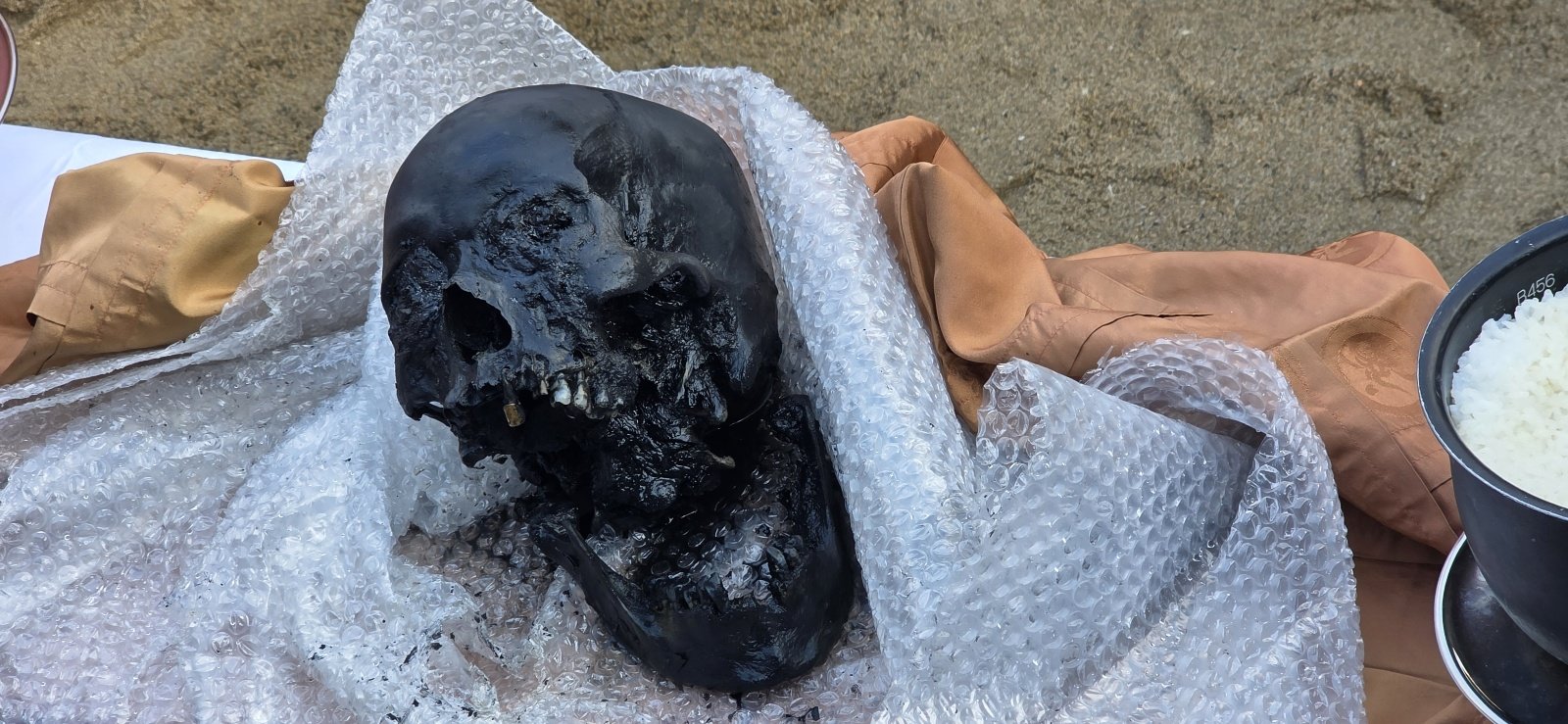
Japanese police have initiated DNA analysis on skeletal remains discovered at the Josei coal mine in Yamaguchi Prefecture, the site of a tragic 1942 disaster that claimed the lives of 136 Korean laborers. The process began with the collection of bone samples in the presence of officials from both South Korea and Japan, according to reports from Asahi Shimbun and Yomiuri Shimbun.
Yamaguchi Prefectural Police Chief Daishi Akimoto stated that the collected samples have been delivered to South Korean authorities. The DNA analysis will be conducted by Japan's Yamaguchi Prefectural Police and South Korea's National Forensic Service, with results to be shared between the two nations. Akimoto emphasized that if the DNA matches surviving family members, authorities will respond appropriately, respecting the dignity of the victims and the feelings of their relatives, in accordance with the law.
The Josei coal mine disaster occurred on February 3, 1942, when an undersea tunnel collapsed, killing 183 miners, of whom approximately 70% were Korean. The remains lay undiscovered on the seabed for over 80 years until a Japanese civic group, the "Josei Coal Mine Submergence Accident Historical Preservation Society," located four sets of remains in August of the previous year through private funding. Another set was found in January of this year.
This DNA identification effort follows an agreement between South Korean President Lee Jae-myung and Japanese Prime Minister Sanae Takaichi during a meeting in February, aimed at identifying the victims' remains. If the remains cannot be identified, they will be handed over to the mayor of the municipality where they were found, which is expected to be Ube City.
If the DNA matches surviving family members, authorities will respond appropriately, respecting the dignity of the victims and the feelings of their relatives, in accordance with the law.
DistantNews Editorial
Originally published by Dong-A Ilbo in Korean. Translated, summarized, and contextualized by our editorial team with added local perspective. Read our editorial standards.
More Stories


From Our Blog

What Gets Lost (and Found) When News Is Translated

The Critical Role of Diaspora Media in Global News

What Travellers Should Know About Countries with Restricted Press

A Digital Nomad's Guide to Following Local News

How the Same Story Looks Different in Different Countries
