


Japan braces for 38C heatwave; heatstroke alerts issued
Translated from Korean, summarized and contextualized by DistantNews.
At a glance
News
Named sources
Context piece
- Japan is experiencing intense heatwaves, with temperatures expected to reach 38 degrees Celsius (100.4 F) in some areas.
- Heatstroke warnings are in effect for several regions, and concerns are rising about related illnesses and deaths.
- Measures to combat the heat include installing air conditioning in zoos and promoting public awareness campaigns for heatstroke prevention.
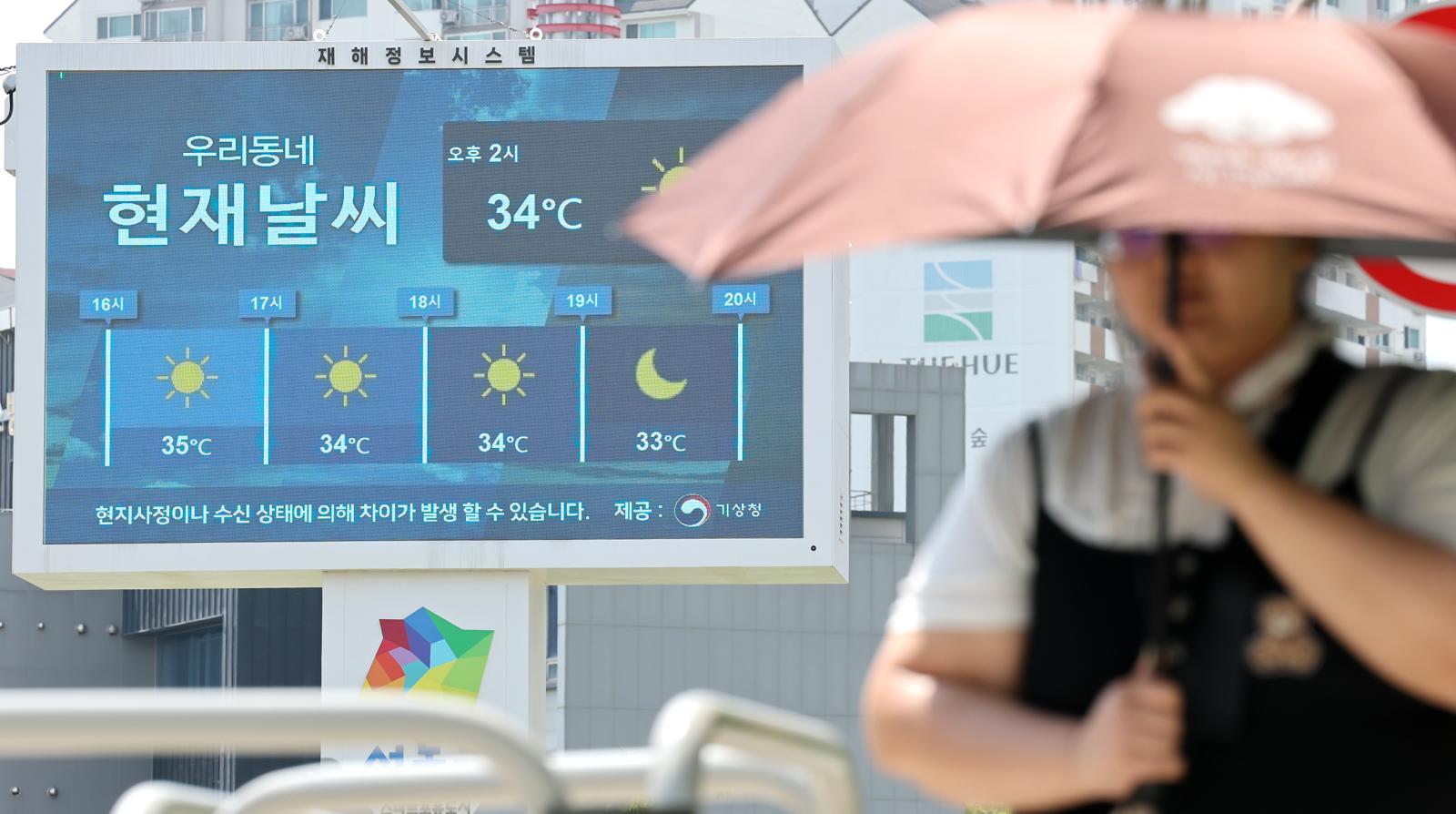
Japan is grappling with a severe heatwave, with temperatures soaring and heatstroke warnings issued across multiple regions. On July 13, the city of Hita in Oita Prefecture on Kyushu island is forecast to reach a scorching 38 degrees Celsius (100.4 F), prompting concerns about public health.
Kyushu, the Kinki region encompassing Osaka and Kyoto, and 15 other prefectures are under heatstroke alerts. Even Tokyo and northeastern areas like Sendai and Hokkaido are experiencing temperatures exceeding 30 degrees Celsius (86 F). The heat has already led to hospitalizations, with a man in his 60s in Tokyo treated for suspected heatstroke on July 9.
Research from the University of Tokyo highlights the danger, revealing that deaths related to heatstroke can occur when temperatures exceed just 27 degrees Celsius (80.6 F). Temperatures above 31 degrees Celsius (87.8 F) can have lingering effects for up to five days, posing a particular risk to the elderly.
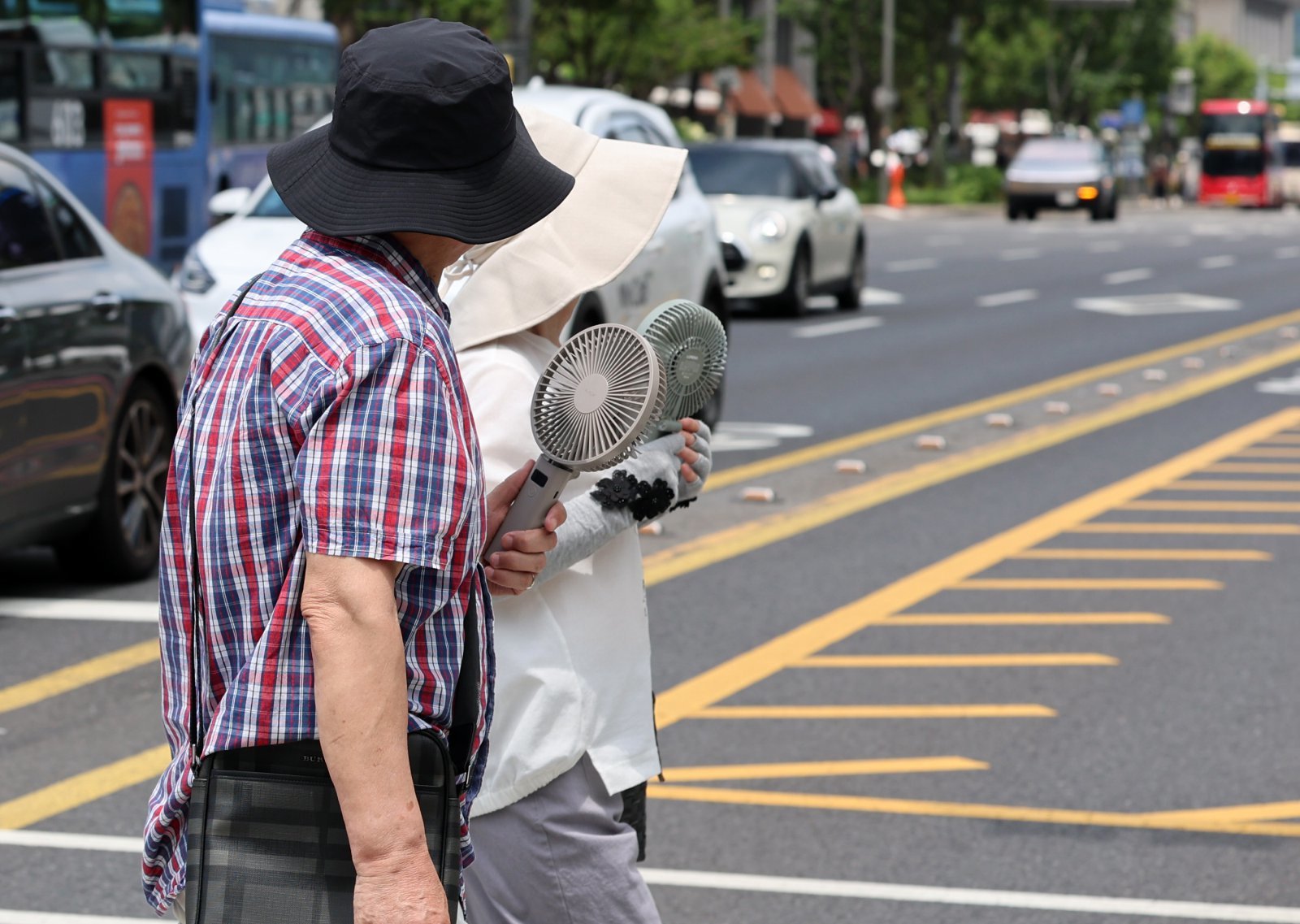
In response, various preventative measures are being promoted. The Japan Meteorological Association suggests "pre-cooling" before outdoor work, including consuming chilled drinks mixed with ice. The use of cooling vests and clothing with built-in fans is also encouraged. Simple actions like immersing hands or feet in water for 10 minutes can aid in heatstroke prevention.
An initiative called the "Heatstroke Prevention Talking Project" is underway for the 16th year, encouraging people to check on each other with five key messages: manage body temperature, carry drinks, take breaks, eat nutritious food, and communicate with one another. This collaborative effort involves government bodies, local authorities, corporations, and medical organizations aiming to minimize heatstroke casualties.
DistantNews Editorial
Originally published by Hankyoreh in Korean. Translated, summarized, and contextualized by our editorial team with added local perspective. Read our editorial standards.
More Stories

From Our Blog

What Gets Lost (and Found) When News Is Translated

The Critical Role of Diaspora Media in Global News

What Travellers Should Know About Countries with Restricted Press

A Digital Nomad's Guide to Following Local News

How the Same Story Looks Different in Different Countries
