

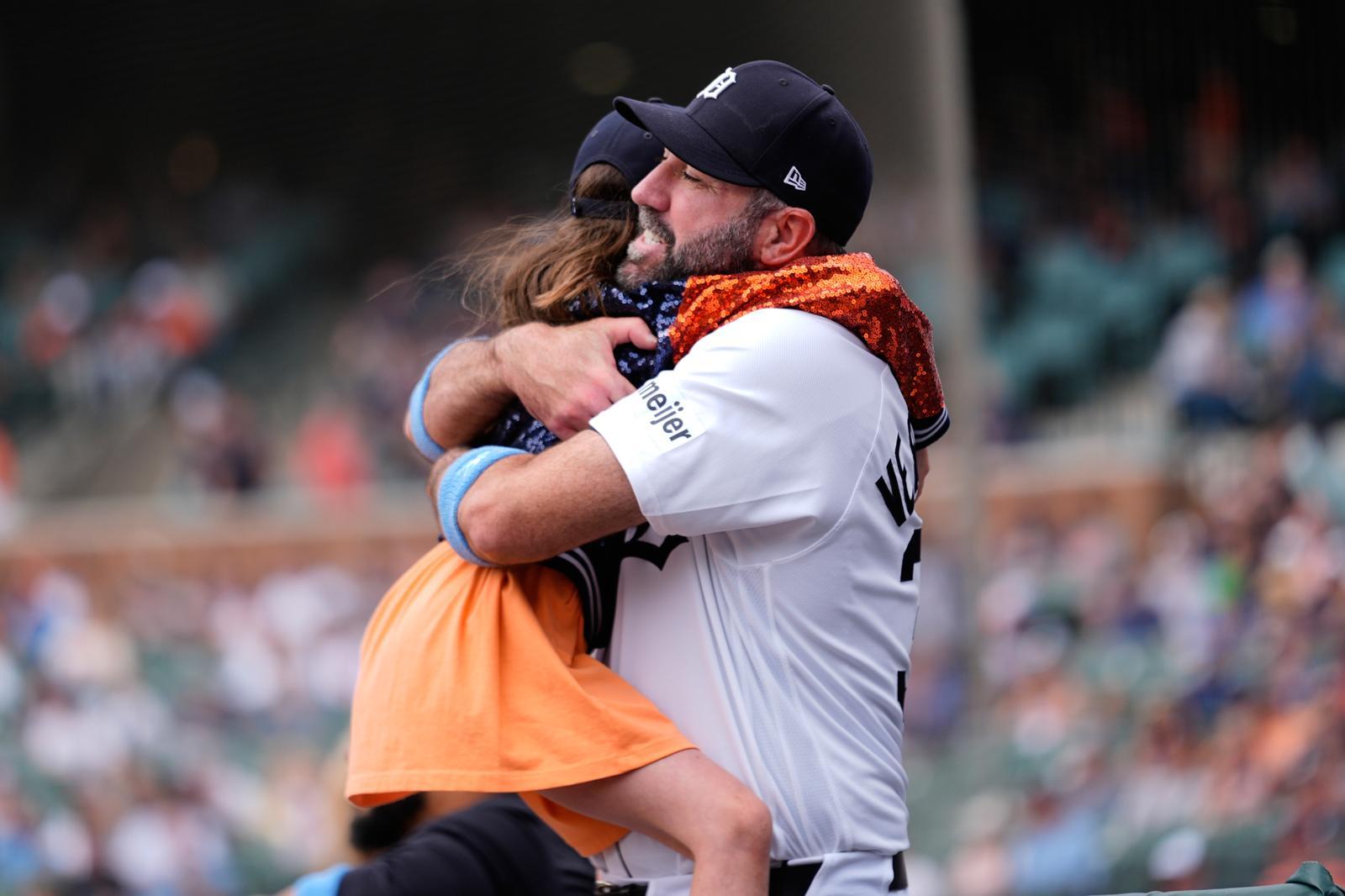

Japan coach Moriyasu to stay for Asian Cup before World Cup successor takes over
Translated from Korean, summarized and contextualized by DistantNews.
At a glance
News
Named sources
New plan
- Japan's national soccer team coach Hajime Moriyasu will extend his contract by six months to lead the team through the next Asian Cup.
- The Japan Football Association plans to use this short extension to fully support the next coach for the 2026 World Cup.
- Moriyasu, who has managed the team since 2018, led Japan to the Round of 16 in the 2022 World Cup.
Japan's national soccer team coach Hajime Moriyasu will continue his tenure for another six months, leading the team through the upcoming Asian Cup in January. This unusual short-term extension is designed to allow the Japan Football Association to fully support the next coach who will guide the team towards the 2026 World Cup.
Sources indicate that the JFA has officially requested Moriyasu to extend his contract until the end of the Asian Cup. While the proposal is unconventional, Moriyasu has reportedly accepted. The JFA has also informed him that even if he secures an Asian Cup victory, his contract will not be extended further. This strategy aims to allow the next coach to begin their tenure smoothly, ideally by the March international break next year, after the Asian Cup concludes.
Moriyasu, 57, has a significant history with Japanese football, both as a player and coach. He took the helm of the national team in 2018 and has since built a strong squad. His tenure saw Japan achieve a historic feat in the 2022 Qatar World Cup by defeating powerhouses Germany and Spain in the group stage, advancing to the Round of 16. In the recent North American World Cup qualifiers, the team topped their group but were narrowly defeated by Brazil in the first knockout round. Moriyasu previously led Japan to a runner-up finish in the 2019 Asian Cup and a quarter-final appearance in 2023.
However, the decision has sparked some internal debate within the JFA. Some question the rationale of giving a departing coach opportunities for up to 13 matches, especially when the focus should be on the future. Counterarguments suggest that a cleaner break, either a zero-year contract or a full four-year term for the next coach, would be more beneficial for Japanese football's long-term vision.
DistantNews Editorial
Originally published by Hankyoreh in Korean. Translated, summarized, and contextualized by our editorial team with added local perspective. Read our editorial standards.
More Stories
From Our Blog

What Gets Lost (and Found) When News Is Translated

The Critical Role of Diaspora Media in Global News

What Travellers Should Know About Countries with Restricted Press

A Digital Nomad's Guide to Following Local News

How the Same Story Looks Different in Different Countries
