


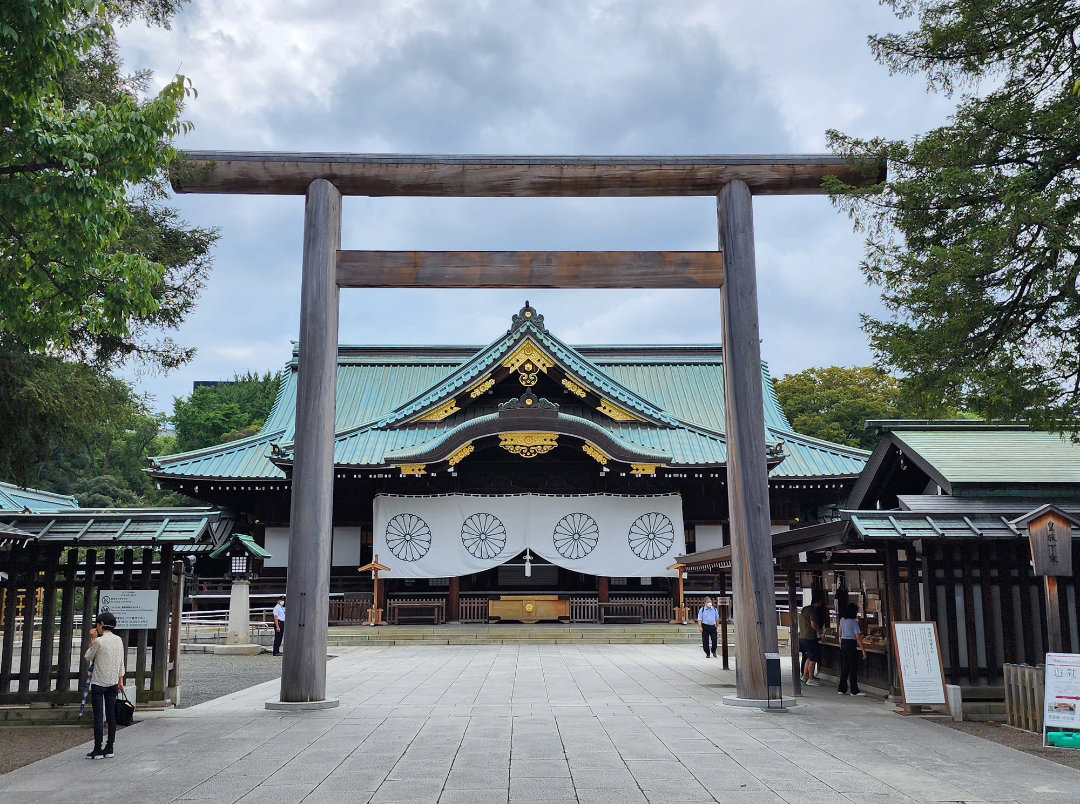
Japan Defense Minister Visits Yasukuni Shrine on WWII Anniversary
Translated from Korean, summarized and contextualized by DistantNews.
At a glance
News
Sources not specified
New plan
- Japan's Defense Minister Shigeru Ishiba and other senior Liberal Democratic Party (LDP) officials visited the Yasukuni Shrine on August 15, the anniversary of Japan's World War II defeat.
- This marks the first visit by a sitting defense minister to the shrine in two years, drawing sensitivity from neighboring countries like South Korea and China.
- Prime Minister Fumio Kishida, while not visiting personally, offered a ritual contribution to the shrine, a move seen as appeasing conservative factions within his party.
Japanese Defense Minister Shigeru Ishiba and several key officials from the ruling Liberal Democratic Party (LDP) paid respects at the Yasukuni Shrine on August 15, the day Japan marks its surrender in World War II. Ishiba's visit is the first by a defense minister to the controversial shrine in two years, reigniting sensitivities in neighboring countries like South Korea and China.
The Yasukuni Shrine is widely seen as a symbol of Japan's past militarism, as it enshrines convicted war criminals among its more than 2.4 million war dead. Visits by Japanese politicians, particularly on August 15, are often met with strong criticism from nations that suffered under Japanese occupation.
While Prime Minister Fumio Kishida did not visit the shrine himself, citing his focus on disaster relief efforts in Kumamoto, he made a ritual offering in his capacity as LDP president. This action is interpreted by some as an effort to acknowledge and appease the party's conservative base, which often supports such visits.
LDP Secretary-General Toshimitsu Motegi and other senior party members also participated in a group visit to the shrine. The collective visit by party executives is considered unusual, with media analyses suggesting it may be a strategic move to prepare the ground for a potential future visit by Kishida himself, further signaling a nod to conservative sentiment within the party.
DistantNews Editorial
Originally published by Dong-A Ilbo in Korean. Translated, summarized, and contextualized by our editorial team with added local perspective. Read our editorial standards.
More Stories


From Our Blog

What Gets Lost (and Found) When News Is Translated

The Critical Role of Diaspora Media in Global News

What Travellers Should Know About Countries with Restricted Press

A Digital Nomad's Guide to Following Local News

How the Same Story Looks Different in Different Countries
