


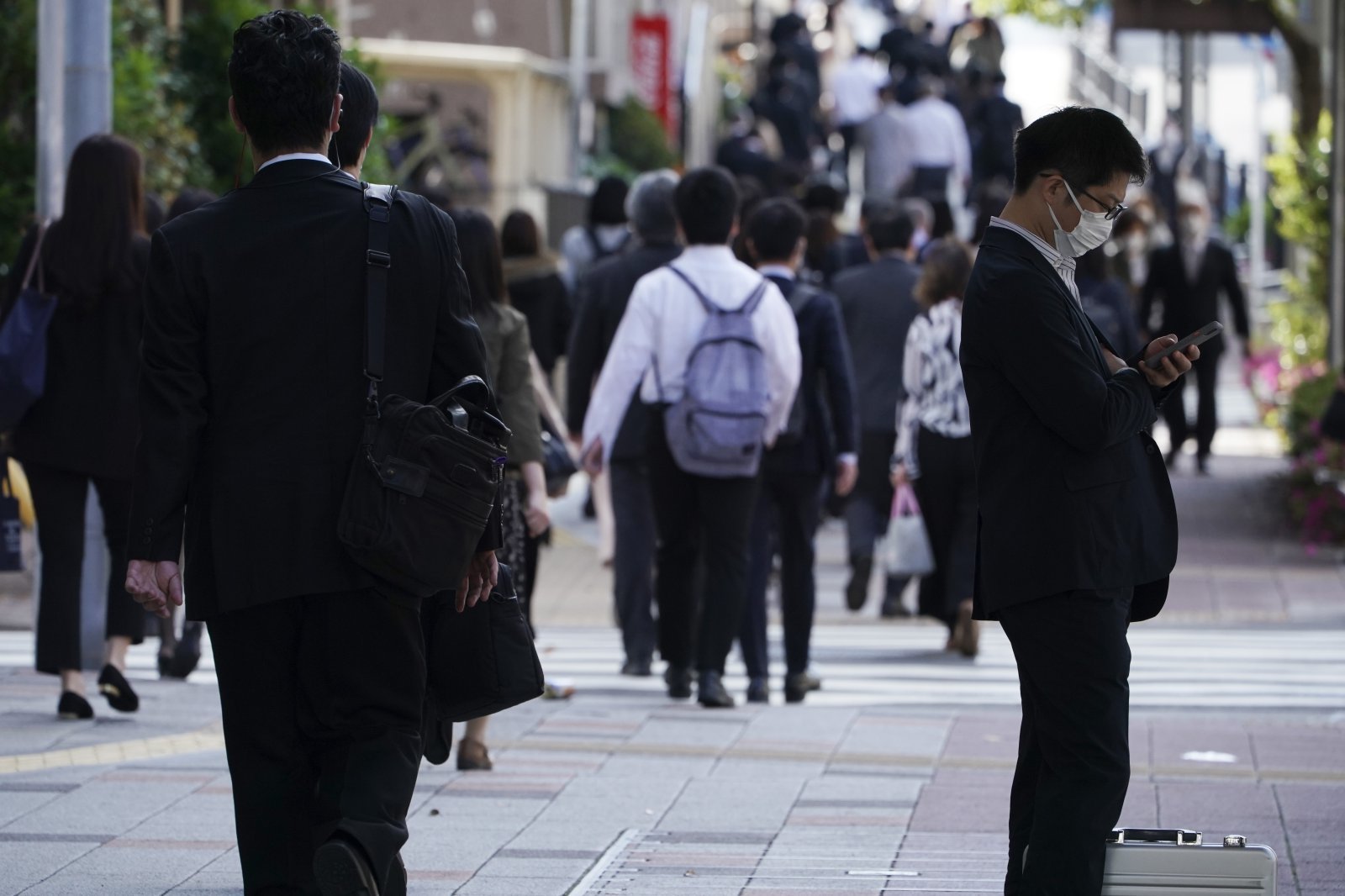
Japan Firms Extend Retirement Ages to Combat Labor Shortages
Translated from Korean, summarized and contextualized by DistantNews.
At a glance
News
From a news agency
New plan
- Japanese companies are extending or effectively abolishing mandatory retirement ages to combat labor shortages caused by low birth rates and an aging population.
- Shionogi & Co. will extend its retirement age from 60 to 65 in fiscal year 2027, allowing employees to continue as regular staff under certain conditions.
- This move aims to secure experienced senior talent for the long term, shifting from temporary re-employment to continuous, long-term utilization.
Japanese companies are increasingly extending or effectively abolishing mandatory retirement ages to address severe labor shortages stemming from the nation's low birth rate and aging population. This strategic shift aims to retain and utilize the valuable experience and expertise of senior workers.
Pharmaceutical firm Shionogi & Co. is set to implement a significant change in fiscal year 2027, raising its retirement age from 60 to 65. Furthermore, the company will introduce a system allowing employees who meet specific criteria to continue working as regular staff beyond the age of 65. This initiative is designed to ensure the long-term engagement of its senior workforce.
The new system at Shionogi will apply to employees at its domestic headquarters. Eligibility for continued regular employment will be based on the employee's desire to extend their working life and the company's assessment of their ability to perform assigned duties. Employment status will be reviewed annually through performance evaluations, with the possibility of yearly renewals for those who continue to meet the requirements. Shionogi describes this as a "de facto abolition of the retirement age."
Previously, Shionogi re-employed employees who reached the age of 60 in temporary contract positions. However, the new system will be applicable to employees who have not yet reached the current retirement age, indicating a more proactive approach to retaining talent. This trend reflects a broader effort across Japanese industries to adapt to demographic changes and maintain a robust labor force by valuing and integrating older workers.
DistantNews Editorial
Originally published by Dong-A Ilbo in Korean. Translated, summarized, and contextualized by our editorial team with added local perspective. Read our editorial standards.
More Stories



From Our Blog

What Gets Lost (and Found) When News Is Translated

The Critical Role of Diaspora Media in Global News

What Travellers Should Know About Countries with Restricted Press

A Digital Nomad's Guide to Following Local News

How the Same Story Looks Different in Different Countries
