

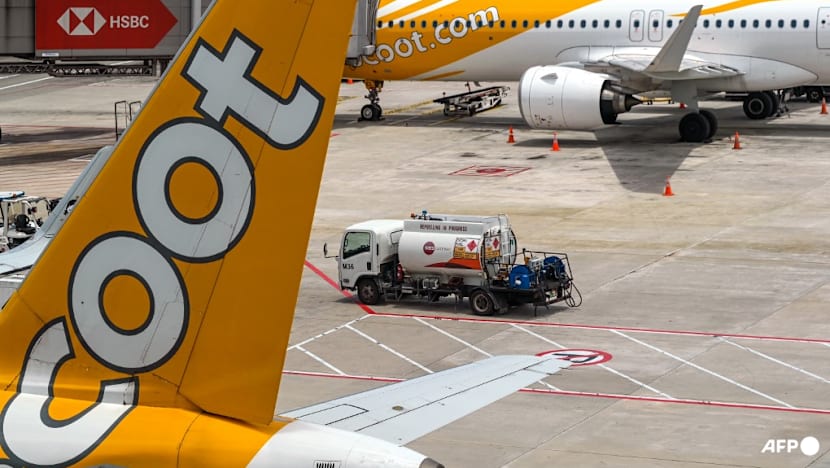

Japan Ramps Up Cooking Oil Collection for Sustainable Aviation Fuel
Translated from English, summarized and contextualized by DistantNews.
At a glance
News
Sources not specified
Context piece
- Japan is intensifying efforts to collect used cooking oil to boost the production of sustainable aviation fuel (SAF) amid global energy supply concerns.
- The national "Fry to Fly" project aims to collect 1.7 million kiloliters of SAF feedstock by 2030, with used cooking oil being a key, relatively cheap source.
- Challenges remain in feedstock scarcity and infrastructure development, limiting current domestic SAF output and potentially increasing costs for airlines.
In Tokyo kitchens, homemakers like Maki Watanabe are carefully collecting used cooking oil, contributing to Japan's ambitious national drive to increase the production of eco-friendly jet fuel. Watanabe donates about 40 liters annually, hoping her efforts, pooled at local supermarkets participating in the "Fry to Fly" project, can help power aircraft.
This initiative gains urgency as the Iran war strains global energy supplies and inflates costs for resource-dependent Japan. The nation aims to source a tenth of its airline fuel from sustainable sources by 2030, requiring an estimated 1.7 million kiloliters. Used cooking oil represents a relatively inexpensive feedstock for this goal, but domestic production is currently limited.
Scarce feedstock and underdeveloped infrastructure have capped Japan's current domestic SAF output at just 30,000 kiloliters, a mere 0.3% of total jet fuel consumption. Top carriers ANA and Japan Airlines acknowledge the reality is "far harsher than expected," highlighting the significant challenge in reducing the aviation industry's substantial carbon footprint.
It would take a tremendous amount to make an aircraft fly, so I hope we can collect more.
The push for cooking oil collection underscores the difficulties in scaling up SAF adoption, which has been hampered by high costs. A Reuters investigation in 2025 revealed that only about a fifth of global SAF projects announced by airlines have materialized. Failure to meet 2030 volume targets could lead to higher costs for refiners and airlines due to increased reliance on expensive imports or potential penalties.
Refiners face a critical juncture in 2026, needing to make final investment decisions by March to enable mass production by 2030. Industry leader Eneos considers the volume of collectable cooking oil a key factor in deciding whether to proceed with a venture to produce 400,000 kiloliters of SAF after fiscal year 2028. The success of these efforts hinges on overcoming feedstock limitations and building robust infrastructure.
We’re facing a reality far harsher than expected.
DistantNews Editorial
Originally published by The Straits Times in English. Translated, summarized, and contextualized by our editorial team with added local perspective. Read our editorial standards.
More Stories

From Our Blog

What Gets Lost (and Found) When News Is Translated

The Critical Role of Diaspora Media in Global News

What Travellers Should Know About Countries with Restricted Press

A Digital Nomad's Guide to Following Local News

How the Same Story Looks Different in Different Countries
