


Japan's Diet passes Imperial House Law revision for succession
Translated from Korean, summarized and contextualized by DistantNews.
At a glance
News
Named sources
Approved/passed
- Japan's Diet passed a revised Imperial House Law, allowing adopted males from former royal families to inherit the throne.
- The amendment aims to secure the number of imperial family members.
- The revision, the first to the main body of the law since 1949, excludes adopted males from succession but grants it to their sons, sparking debate.
Japan's Diet has passed a revised Imperial House Law, permitting the adoption of males from former imperial families to ensure a stable succession to the Chrysanthemum Throne. The amendment, approved by the House of Councillors with a majority vote on July 17, addresses concerns about the shrinking number of male heirs in the current imperial lineage.
The ruling Liberal Democratic Party, along with coalition partners and some opposition parties, supported the bill. However, major opposition parties like the Constitutional Democratic Party and the Japanese Communist Party voted against it. This revision marks the first time the main body of the Imperial House Law has been amended since its enactment in 1949; its supplementary provisions were revised in 2017.
Key provisions of the revised law include allowing males from former royal families to be adopted into the imperial family and permitting female members to remain in the family even after marriage. Crucially, while adopted males themselves are not granted succession rights, their sons are eligible. This specific stipulation was not part of the original consensus plan and has ignited controversy, with critics arguing it was not sufficiently debated and potentially reduces the likelihood of a female emperor.
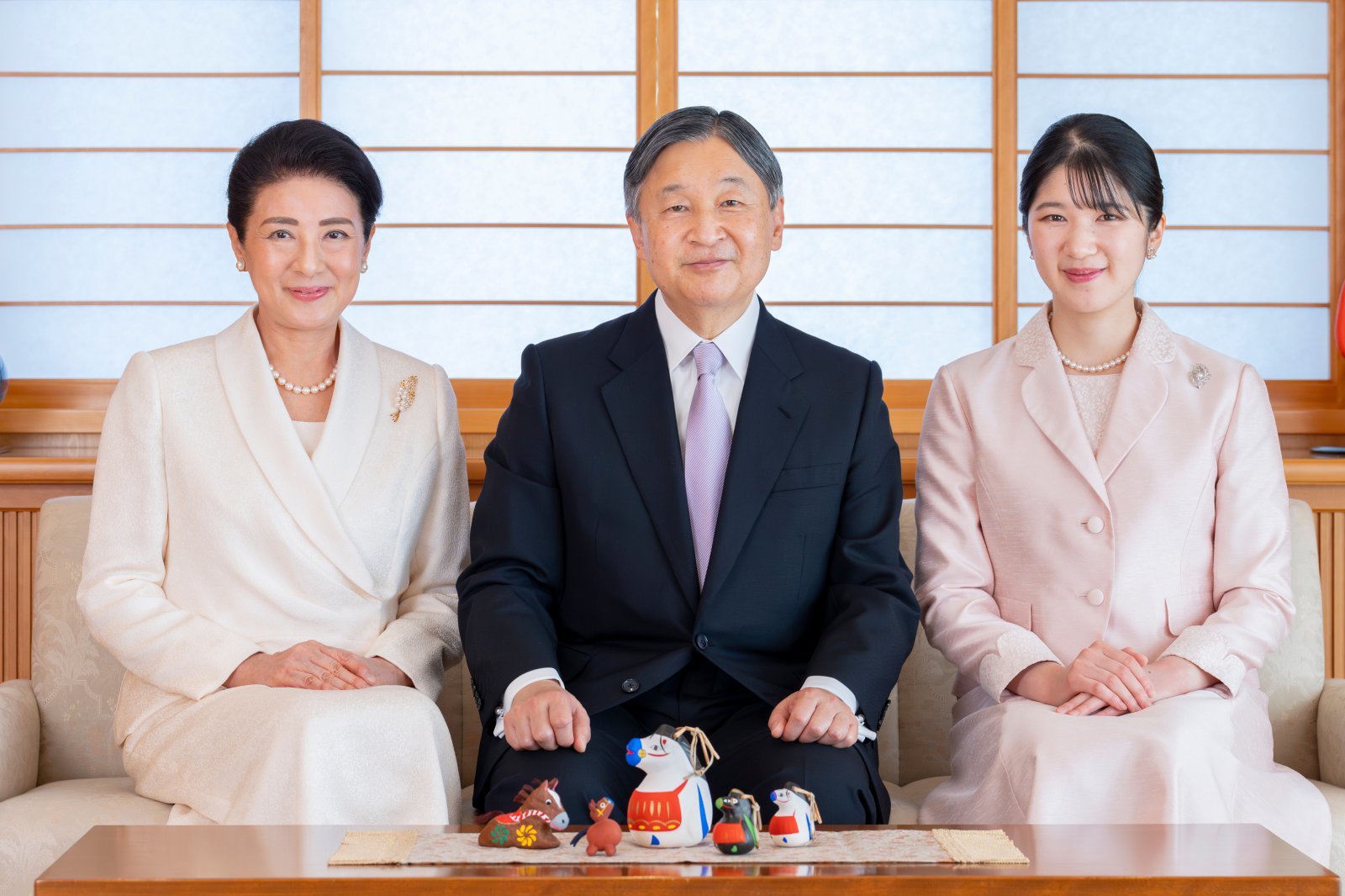
Japan's current Imperial House Law stipulates that the throne is inherited by "male descendants" belonging to the imperial family. However, a government expert panel in 2005 concluded that recognizing female emperors and matrilineal succession would be appropriate for stable succession. Public opinion also appears to favor female succession, with a poll showing 72% support for women ascending the throne. Emperor Naruhito and Empress Masako have only one child, Princess Aiko, as they have no sons.
DistantNews Editorial
Originally published by Dong-A Ilbo in Korean. Translated, summarized, and contextualized by our editorial team with added local perspective. Read our editorial standards.
More Stories



From Our Blog

What Gets Lost (and Found) When News Is Translated

The Critical Role of Diaspora Media in Global News

What Travellers Should Know About Countries with Restricted Press

A Digital Nomad's Guide to Following Local News

How the Same Story Looks Different in Different Countries
