


Japan's executives call for FX stability as weak yen intensify import-cost pressure
Summarized and contextualized by DistantNews.
At a glance
News
Named sources
New plan
- Japanese executives are increasingly concerned about the economic risks posed by a weak yen and currency volatility.
- Despite potential export benefits, a weaker yen increases import costs for Japan's import-dependent economy.
- The concerns have prompted joint Japan-U.S. intervention to support the yen, though executives call for market stability.
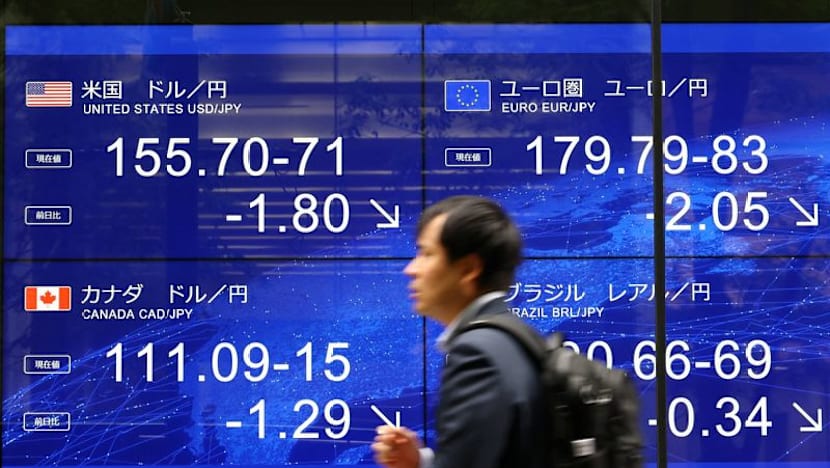
Japanese business leaders are voicing growing alarm over the economic repercussions of a persistently weak yen, highlighting the risks that currency fluctuations pose to the nation's import-reliant economy. These concerns have intensified to the point of triggering joint intervention by Japan and the United States to bolster the currency.
Problems affecting the entire Japanese economy affect us too. A weak yen does not necessarily mean all is well.
While a weaker yen can theoretically boost exports by making Japanese goods cheaper abroad, executives point out that the reality is more complex. Japan imports the vast majority of its raw materials, energy, and food. Consequently, a depreciating yen significantly increases the cost of these essential imports, thereby pressuring domestic demand and potentially hindering Japan's long-awaited exit from decades of deflation.
While a weaker yen has real advantages for exports, Japanese companies import almost all their raw materials. At a certain exchange rate costs actually increase, so we can't say exporters always win from a weak yen.
Executives are calling for greater market stability, emphasizing that extreme volatility complicates earnings forecasts and investment decisions for companies with global operations. Even companies that benefit from higher overseas income due to the weak yen are feeling the impact of unpredictable currency swings. Some executives noted that while a rate of 150 yen to the dollar might offer export advantages, costs can escalate at certain exchange rates, negating the benefits. A survey indicated a strong preference among companies for a yen range of 120-124 to the dollar, a level that many now believe may be unattainable given Japan's economic fundamentals and trade balance.
More than anything I'd like the market to stabilise and volatility to come down.
DistantNews Editorial
Originally published by CNA. Summarized and contextualized by our editorial team with added local perspective. Read our editorial standards.
More Stories



From Our Blog

What Gets Lost (and Found) When News Is Translated

The Critical Role of Diaspora Media in Global News

What Travellers Should Know About Countries with Restricted Press

A Digital Nomad's Guide to Following Local News

How the Same Story Looks Different in Different Countries
