


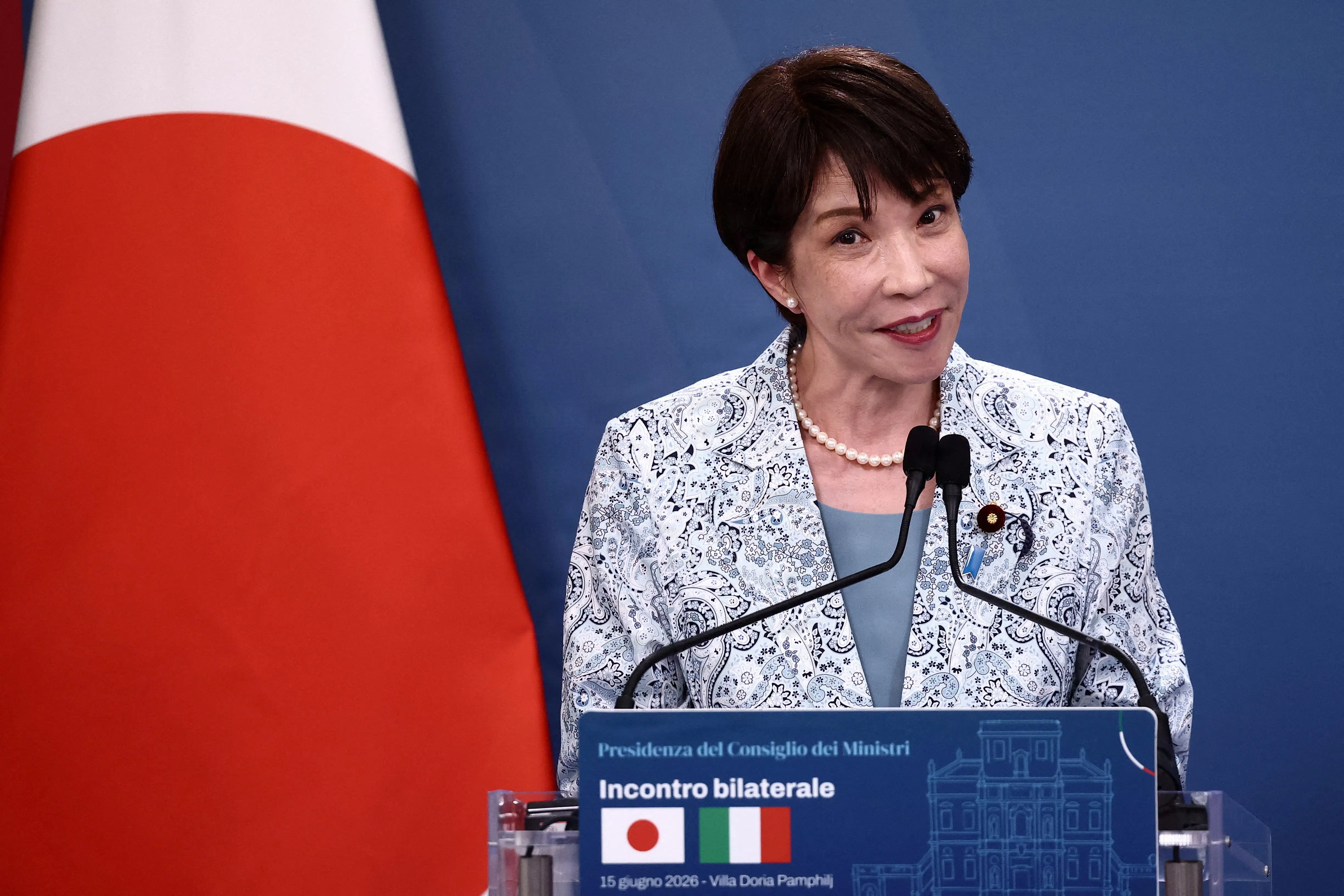
Japan's grand plans create a giant financial headache
Translated from Danish, summarized and contextualized by DistantNews.
At a glance
Analysis
Sources not specified
Context piece
- Japan's Prime Minister Sanae Takaichi plans massive investments to revive the economy, but her policies risk increasing national debt.
- The aggressive fiscal strategy is weakening the yen significantly.
- Japan's central bank faces pressure from both political demands and market expectations for credibility, creating a potential crisis with global repercussions.
Japan's ambitious economic revival plans, spearheaded by Prime Minister Sanae Takaichi, are generating significant financial challenges and raising concerns about the nation's fiscal health. Takaichi's strategy involves substantial investments aimed at stimulating growth, but critics argue these measures are leading to a dramatic increase in government debt. This aggressive fiscal policy is having a pronounced effect on the Japanese yen, causing it to weaken considerably. The depreciation of the currency impacts international trade, import costs, and the overall value of Japanese assets, creating a ripple effect across global markets. Caught in a difficult position, the Bank of Japan is navigating a complex landscape. It faces mounting political pressure to support the government's expansionary policies while simultaneously needing to maintain market confidence and credibility. This balancing act is precarious, and a failure to manage these competing demands could trigger a significant financial reckoning with potentially far-reaching global consequences.
DistantNews Editorial
Originally published by Berlingske in Danish. Translated, summarized, and contextualized by our editorial team with added local perspective. Read our editorial standards.
More Stories



From Our Blog

What Gets Lost (and Found) When News Is Translated

The Critical Role of Diaspora Media in Global News

What Travellers Should Know About Countries with Restricted Press

A Digital Nomad's Guide to Following Local News

How the Same Story Looks Different in Different Countries
